
Gastric Pain in Chest: Causes, Symptoms & How to Get Quick Relief
That sudden burning or sharp pain in your chest can be terrifying — but it may be trapped gas, not your heart. Learn how to tell the difference, find instant relief, and know when to seek emergency care.
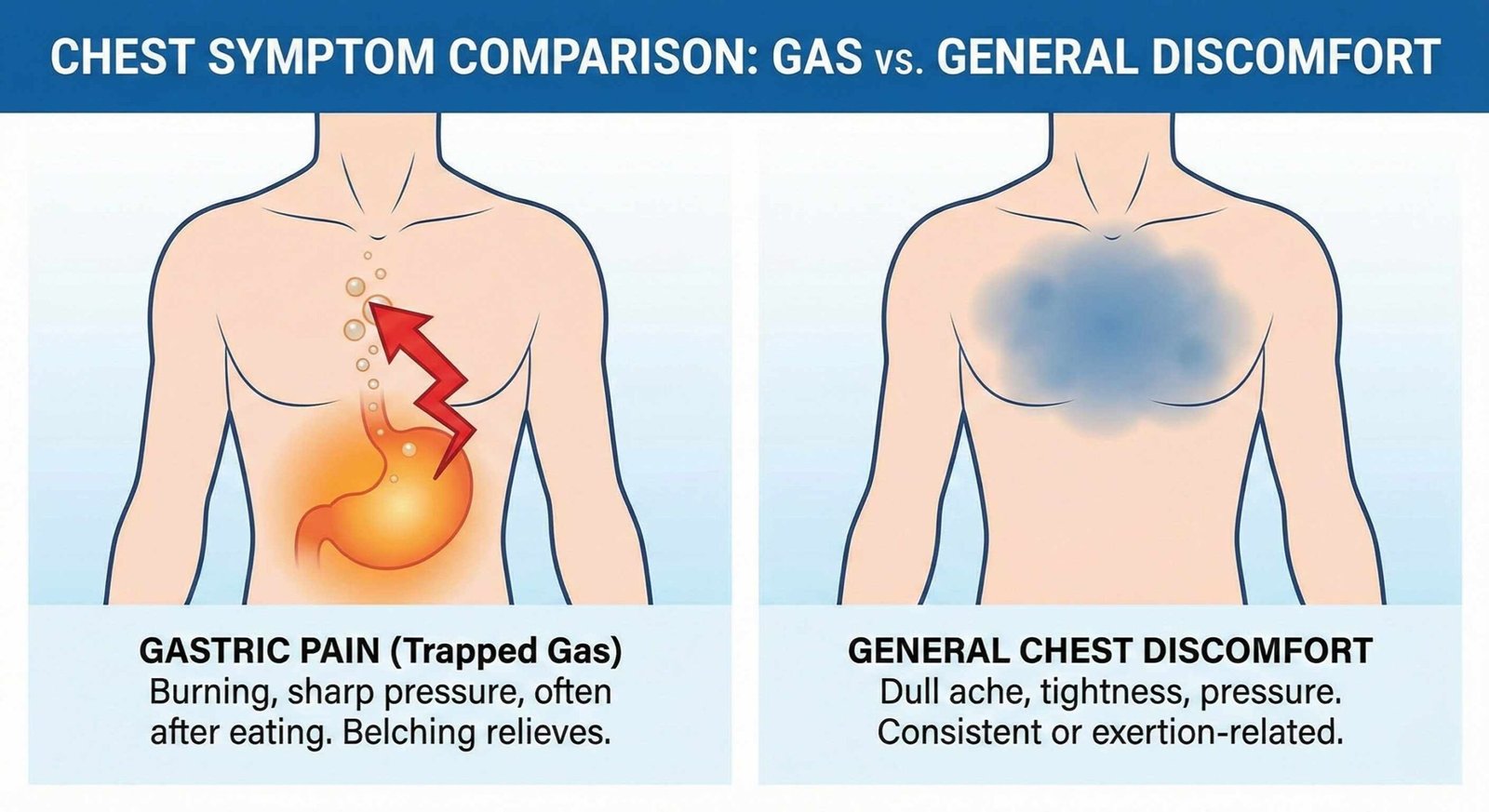
What Is Gastric Pain in Chest?
Gastric pain in chest is a common condition where trapped gas or acid reflux in the upper digestive system creates discomfort that feels like it originates in the chest. It happens when gas builds up in the stomach or esophagus and pushes against the diaphragm — the muscle that separates your chest cavity from your abdomen.
This type of chest discomfort is one of the most common reasons people visit emergency rooms, only to discover their pain is gastric rather than cardiac. While chest pain due to gas is usually harmless, it can feel frighteningly similar to a heart attack, which is why understanding the difference is critical.
Studies show that nearly 25% of emergency room visits for chest pain are actually caused by gastrointestinal issues like trapped gas, acid reflux (GERD), or esophageal spasms — not heart problems.
The underlying mechanisms that cause gastric chest pain include trapped intestinal gas creating mechanical pressure, stomach acid refluxing into the esophagus (GERD), diaphragmatic irritation from a bloated stomach, and esophageal muscle spasms triggered by acid or gas.
Symptoms of Gastric Pain in Chest
Recognizing the symptoms of gas pain in chest can help you differentiate it from more serious conditions. Here is what gastric chest pain typically feels like:
- Sharp, stabbing pain that comes and goes, rather than remaining constant
- Burning sensation in the chest (especially with acid reflux or heartburn)
- Feeling of fullness, pressure, or bloating in the upper abdomen and lower chest
- Pain that shifts location — it may move from the chest to the abdomen as gas travels
- Belching or burping provides noticeable relief
- Pain worsens after eating, lying down, or consuming specific trigger foods
- Left chest pain due to gas that mimics heart-related discomfort
- Upper back and chest discomfort when indigestion or acidity worsens
If your chest pain improves after burping, passing gas, or taking an antacid, it is very likely gastric in nature. However, if the pain is accompanied by shortness of breath, sweating, or dizziness, seek emergency help immediately.
Gas vs. Heart Pain — How to Tell the Difference
One of the most important things you can do when experiencing chest pain is to distinguish between gastric pain in chest and cardiac (heart-related) pain. While they can feel remarkably similar, there are key differences. For a deeper understanding, read our Comprehensive Guide to Chest Pain: Causes, Symptoms & When to Worry.
| Feature | Gastric Pain in Chest | Heart Attack / Cardiac Pain |
|---|---|---|
| Sensation | Sharp, burning, stabbing, or bloating | Crushing pressure, tightness, squeezing |
| Location | Localized; may shift with gas movement | Center of chest; radiates to left arm, jaw, neck, or back |
| Triggers | After meals, carbonated drinks, lying down | Physical exertion, stress, or occurs randomly |
| Duration | Minutes to a few hours; intermittent | Persistent; typically lasts more than 15 minutes |
| Relief | Burping, antacids, passing gas, walking | Not relieved by rest, antacids, or burping |
| Other Symptoms | Bloating, belching, abdominal fullness | Shortness of breath, cold sweat, dizziness, nausea |
| Time of Day | Often after meals or at night (lying down) | Can happen any time, often early morning |
Never assume your chest pain is "just gas" if it is severe, persistent, or accompanied by sweating, shortness of breath, or pain radiating to your arm or jaw. Call emergency services or visit the nearest hospital immediately. At Arka Anugraha Hospital Emergency Department, we use ECG, cardiac enzymes, and advanced diagnostics to rule out heart attacks within minutes.
For a visual reference to help identify different types of chest pain, explore our Visual Guide: Chest Pain Images & Illustrations.
What Causes Gastric Pain in Chest?
Understanding the root causes of gastric pain in chest is essential for both relief and prevention. Here are the most common triggers:
Dietary Causes and Food Intolerances
What you eat plays the biggest role in gas-related chest discomfort. The following dietary habits frequently cause chest pain due to gas:
- High-FODMAP foods — beans, lentils, onions, garlic, cabbage, and broccoli ferment in the gut and produce excess gas
- Carbonated beverages — sodas, sparkling water, and beer introduce extra air into the digestive tract
- Eating too quickly — swallowing air (aerophagia) while eating causes gas to become trapped
- Dairy products — if you are lactose intolerant, dairy can trigger severe bloating and gas
- Spicy and oily foods — irritate the stomach lining and increase acid production
- Artificial sweeteners — sorbitol and xylitol can cause excessive gas and bloating
Digestive Conditions That Cause Gastric Chest Pain
Several medical conditions can cause recurring gas pain in chest. If you experience frequent episodes, one of these may be the underlying cause:
- GERD (Gastroesophageal Reflux Disease) — stomach acid flows back into the esophagus, causing a burning chest sensation. This is the most common digestive cause of chest pain.
- Gastritis — inflammation of the stomach lining produces excess gas and acid
- Hiatal hernia — part of the stomach pushes through the diaphragm, trapping gas in the chest area
- IBS (Irritable Bowel Syndrome) — causes irregular digestion and excessive gas buildup
- Peptic ulcers — open sores in the stomach lining create burning pain that can radiate to the chest
- Gastroparesis — delayed stomach emptying leads to gas accumulation and bloating
- Gallbladder disease — gallstones can cause chest pain and excessive gas after fatty meals
For a detailed look at these conditions, visit our guide on Specific Abdominal Pain Conditions & Causes.
Lifestyle Factors
- Smoking — introduces air into the digestive tract and weakens the lower esophageal sphincter, worsening acid reflux
- Sedentary lifestyle — lack of physical activity slows digestion and promotes gas buildup
- Stress and anxiety — increases stomach acid production and disrupts normal digestive function
- Eating late at night — lying down soon after eating promotes acid reflux and trapped gas

How to Get Rid of Chest Pain Due to Gas (Instant Relief)
When you are experiencing gastric pain in chest, you want relief fast. Here are proven methods, organized from immediate home remedies to physical techniques that work.
Home Remedies for Gas Pain in Chest
Warm Ginger Tea
Ginger is a natural carminative that relaxes intestinal muscles and helps expel trapped gas. Boil fresh ginger slices in water for 5–10 minutes and sip slowly.
Peppermint Tea
Peppermint relaxes the smooth muscles of the digestive tract, allowing gas to pass more easily. Drink warm peppermint tea after meals for prevention.
Warm Water
Sipping warm water soothes the digestive tract, stimulates bowel movement, and helps move trapped gas downward through the intestines.
Ajwain (Carom Seeds)
Chewing a teaspoon of carom seeds with warm water releases thymol, which aids digestion and relieves gas and bloating almost instantly.
Lemon & Baking Soda
Mix ½ teaspoon baking soda with lemon juice in warm water. This helps neutralize stomach acid and reduce gas-related chest pressure.
Fennel Seeds (Saunf)
Chewing fennel seeds or drinking fennel water after meals prevents gas formation and soothes the digestive system naturally.
Physical Techniques to Relieve Gas Pain in Chest
Sometimes, simple body movements are the fastest way to reduce chest pain due to gas:
- Knee-to-Chest Position: Lie on your back and pull both knees toward your chest. Hold for 20–30 seconds. This compresses the abdomen and helps release trapped gas.
- Gentle Walking: A 10–15 minute walk stimulates the digestive system and encourages gas movement through the intestines.
- Warm Compress: Place a warm water bottle or heating pad on your upper abdomen for 15–20 minutes to relax stomach muscles and ease gas pressure.
- Abdominal Massage: Gently massage your stomach in clockwise circular motions to help move trapped gas along the digestive tract.
- Deep Breathing: Slow, deep diaphragmatic breathing helps relax the esophageal sphincter and facilitates gas release through belching.
Best Medicines for Chest Pain Due to Gas
When home remedies are not enough, these over-the-counter and prescription medications can provide effective relief from gastric pain in chest:
Over-the-Counter (OTC) Options
- Antacids (Gelusil, Digene, Eno): Neutralize stomach acid quickly and provide fast relief from acid-related chest burning. Best for occasional symptoms.
- Simethicone (Gas-X, Gastica): Breaks down gas bubbles in the stomach, reducing bloating and gas pressure in the chest.
- Activated Charcoal Tablets: Absorb excess gas in the digestive system. Take between meals for best results.
Prescription Medications (Consult Your Doctor)
- Proton Pump Inhibitors (PPIs): Omeprazole, Pantoprazole, and Esomeprazole significantly reduce stomach acid production. Prescribed for GERD, gastritis, and frequent acid reflux causing chest pain.
- H2 Receptor Blockers: Ranitidine and Famotidine reduce acid secretion and are effective for nighttime heartburn and chest discomfort.
- Prokinetic Agents: Domperidone and Metoclopramide improve stomach emptying and reduce gas accumulation, helpful for gastroparesis-related chest pain.
Do not self-medicate with PPIs for more than 2 weeks without consulting a gastroenterologist. Long-term unsupervised PPI use can lead to side effects. If your gastric chest pain recurs frequently, get a proper diagnosis from a specialist. Dr. Gaurang Ramesh, Integrative Gastroenterologist at Arka Anugraha Hospital, can help identify the root cause.
Treatment Cost Breakdown for Gastric Chest Pain in Bangalore
Here is an approximate cost guide for diagnosing and treating gastric pain in chest in Bangalore. These are indicative figures based on standard hospital pricing:
Gastric Chest Pain Treatment — Cost Estimate (Bangalore)
| Treatment / Test | Purpose | Approx. Cost (₹) |
|---|---|---|
| Gastroenterologist Consultation | Initial evaluation of gastric chest pain | ₹500 – ₹1,500 |
| ECG (Electrocardiogram) | Rule out cardiac causes of chest pain | ₹200 – ₹500 |
| Chest X-Ray | Check for gas accumulation or other issues | ₹300 – ₹800 |
| Ultrasound Abdomen | Evaluate gallbladder, stomach, and organs | ₹800 – ₹2,000 |
| Upper GI Endoscopy | Diagnose GERD, gastritis, ulcers, hiatal hernia | ₹3,000 – ₹8,000 |
| Blood Tests (CBC, Lipase, Liver Panel) | Rule out pancreatitis, liver issues | ₹500 – ₹2,000 |
| OTC Antacids & Gas Relief | Immediate symptomatic relief | ₹30 – ₹200 |
| PPI Course (1 Month) | Acid reduction for GERD/gastritis | ₹150 – ₹600 |
Note: Costs may vary based on hospital, location, and specific clinical requirements. At Arka Anugraha Hospital, we offer transparent pricing and insurance support. Call +91 90197 04252 for exact cost details.
Prevention: How to Stop Gastric Pain in Chest From Recurring
The best approach to gastric pain in chest is prevention. Making these dietary and lifestyle changes can dramatically reduce episodes:
✅ Do This
- Eat smaller, more frequent meals
- Chew food thoroughly and eat slowly
- Stay hydrated — drink water throughout the day
- Walk for 10–15 minutes after meals
- Sleep with your head elevated (use an extra pillow)
- Include probiotics and fermented foods in your diet
- Practice stress management — yoga, meditation, deep breathing
- Maintain a food diary to identify personal triggers
❌ Avoid This
- Eating large meals, especially late at night
- Drinking carbonated beverages and alcohol
- Consuming excessive spicy, fried, or oily food
- Lying down immediately after eating
- Smoking (weakens esophageal sphincter)
- Chewing gum excessively (swallows air)
- Drinking through straws (introduces air)
- Wearing tight clothing around the abdomen
🔑 Key Takeaway
Most cases of gastric pain in chest can be managed effectively through dietary changes, lifestyle modifications, and occasional OTC medications. A food diary is one of the most powerful tools — track what you eat and when symptoms occur to identify your personal triggers.
When to Seek Emergency Care
While gastric pain in chest is usually harmless, certain symptoms demand immediate medical attention. Never gamble with chest pain — it is always better to get checked and discover it is gas than to ignore a heart attack.
- Crushing, squeezing pressure in the center of your chest
- Pain radiating to the left arm, neck, jaw, or back
- Shortness of breath or difficulty breathing
- Cold sweats, dizziness, or lightheadedness
- Nausea or vomiting with intense chest pain
- Chest pain that lasts more than 15 minutes and does not improve
- Feeling of impending doom
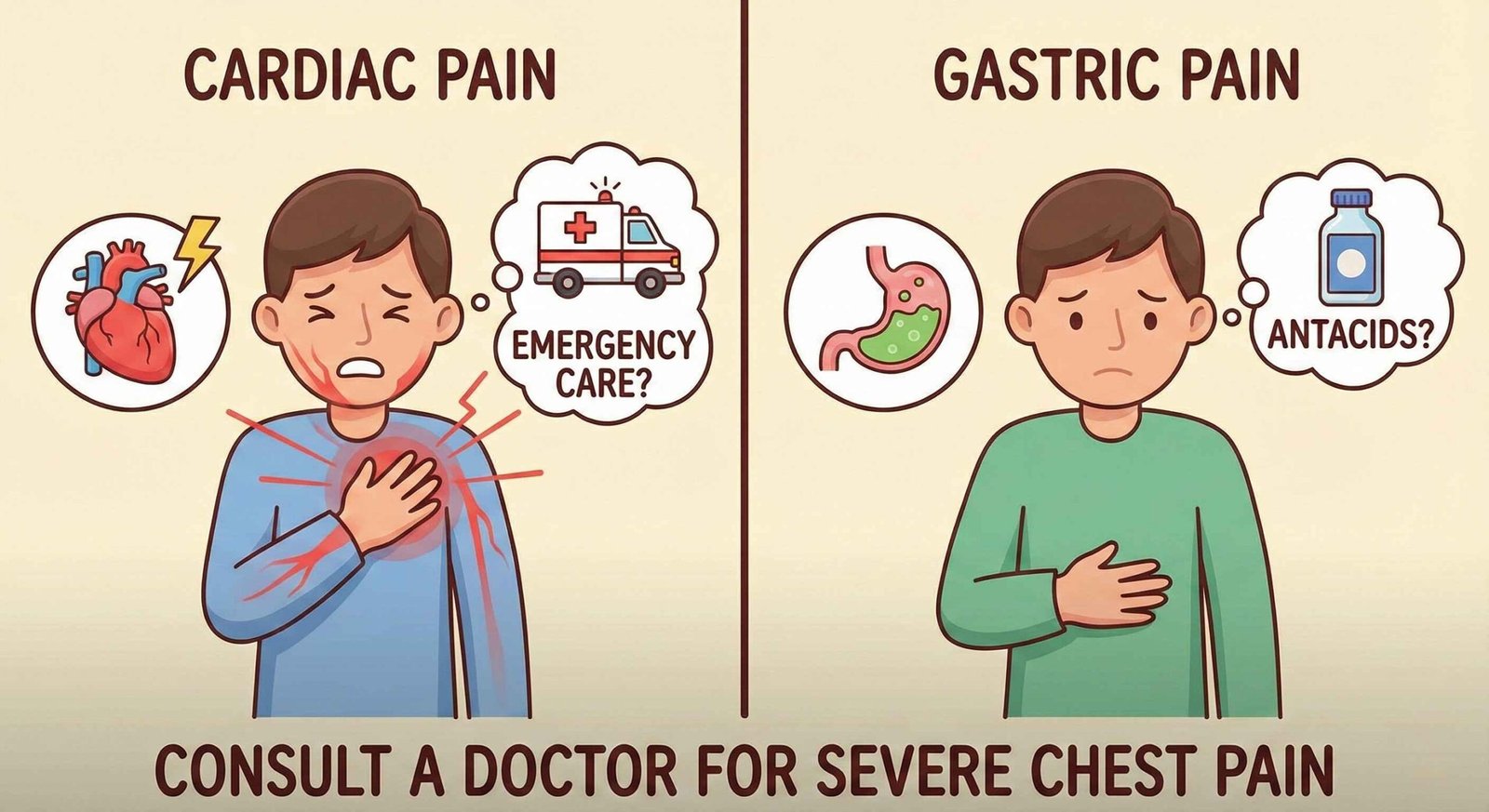
At Arka Anugraha Hospital's Emergency Department in JP Nagar, Bangalore, our team provides 24/7 rapid triage with ECG, cardiac enzyme testing, and imaging to rule out life-threatening conditions within minutes.
When to Consult a Gastroenterologist
Even if your chest pain is confirmed to be gastric, you should see a gastroenterologist if you experience any of the following:
- Gastric chest pain recurring more than 2 times per week
- OTC antacids or home remedies no longer provide adequate relief
- Difficulty swallowing or a sensation of food getting stuck
- Unexplained weight loss along with digestive symptoms
- Persistent bloating, nausea, or vomiting
- Black or bloody stools
- Symptoms that disrupt your sleep or daily activities
Integrative Gastroenterologist
Dr. Gaurang Ramesh
6+ Years Experience | Arka Anugraha Hospital, JP Nagar, Bangalore
Specializing in digestive disorders including GERD, gastritis, IBS, and chronic gas-related chest pain. Dr. Gaurang combines modern gastroenterology with an integrative approach for lasting relief.
Book AppointmentView Full Profile →
Depending on your symptoms, you may also benefit from consulting:
- Dr. Ramesh Makam — Gastrointestinal & Bariatric Surgeon (45+ yrs experience) for surgical evaluation of hiatal hernia or severe GERD
- Dr. Abhijit Vilas Kulkarni — Cardiologist, to rule out cardiac causes of your chest pain
- Dr. Gunashree B — General Physician, for initial evaluation and referral
Frequently Asked Questions About Gastric Pain in Chest
Still Worried About Your Chest Pain?
Do not wait. Whether it is gas or something more serious, our expert team at Arka Anugraha Hospital, JP Nagar, Bangalore is here to help you get answers and relief — fast.
📅 Book an Appointment Today📞 Call: +91 90197 04252