
Chest Pain After Exercise: Is It a Heart Attack or Muscle Strain?
Feeling chest pain after exercise can be incredibly alarming. One moment you are pushing your limits, feeling strong, and the next, a twinge or an intense ache in your chest sends a jolt of fear through you. Is it just a harmless muscle strain from a tough workout, or is it a warning sign from your heart?
This article will help you understand the common causes of chest pain after exercise, distinguish between minor discomfort and serious medical conditions, and guide you on when to seek help. While many causes are benign, chest pain after exercise should never be ignored.
Understanding Chest Pain When Exercising: Why It Happens
Our bodies are amazing machines, designed to adapt and grow stronger with physical activity. But sometimes, that adaptation comes with unexpected signals, like pain. Understanding why your body might signal discomfort during or after exercise is the first step in addressing it.
The Physiology of Exertion and Discomfort
When you exercise, your muscles demand more oxygen and nutrients. Your heart works harder to pump oxygen-rich blood, and your breathing rate increases. This intense activity can lead to various sensations in your chest area, from heavy breathing and general fatigue to more specific types of pain.
It is crucial to distinguish between typical exertion and actual pathological pain. Heavy breathing, a rapid heart rate, and mild muscle fatigue are normal. However, a sharp, persistent, or crushing chest pain after exercise is not normal and requires attention.
Differentiating Cardiac vs. Non-Cardiac Pain
Telling the difference between heart-related chest pain and pain from other sources is vital. Use this table as a quick reference guide.
| Feature | Cardiac Pain (Heart-Related) | Non-Cardiac Pain (Muscle/Lungs) |
|---|---|---|
| Description | Pressure, squeezing, tightness, heaviness, or fullness. | Sharp, stabbing, burning, or aching. |
| Location | Central chest; can radiate to left arm, jaw, back. | Localized to a specific spot (left/right side or ribs). |
| Trigger | Comes on with exertion, typically improves with rest. | Aggravated by specific movements, twisting, or deep breaths. |
| Accompanying Symptoms | Shortness of breath, cold sweats, dizziness, nausea. | Usually isolated pain; may worsen with touch. |
For a clearer understanding of where different types of pain might manifest, you can refer to our Visual Guide: Chest Pain Images & Illustrations.
Immediate Steps to Take When Pain Strikes
If you experience chest pain after exercise, especially if it is new or severe:
- Stop Immediately: Halt whatever activity you are doing.
- Sit Down and Rest: Find a comfortable position to sit or lie down.
- Monitor Your Symptoms: Note the type of pain, location, and any radiating sensations.
- Seek Help If Needed: If pain is severe or persists after a few minutes, seek immediate emergency medical services. Do not drive yourself.
For more on emergency protocols, refer to our Emergency Care Overview & Services.
Musculoskeletal and Respiratory Causes
Not all chest pain after exercise is related to your heart. In fact, many common causes stem from your muscles, bones, and respiratory system.
Muscle Strain and "Gym Chest"
One of the most frequent reasons for chest pain after exercise is musculoskeletal strain. This is especially true if you have recently increased your workout intensity.
- Pectoralis Muscle Strain: Overworking your chest muscles can lead to tears. This pain is usually sharp and localized. It is a common cause of shoulder pain after a chest workout.
- Costochondritis: Inflammation of the cartilage connecting your ribs to your breastbone. It causes sharp pain that worsens with deep breaths or pressure.
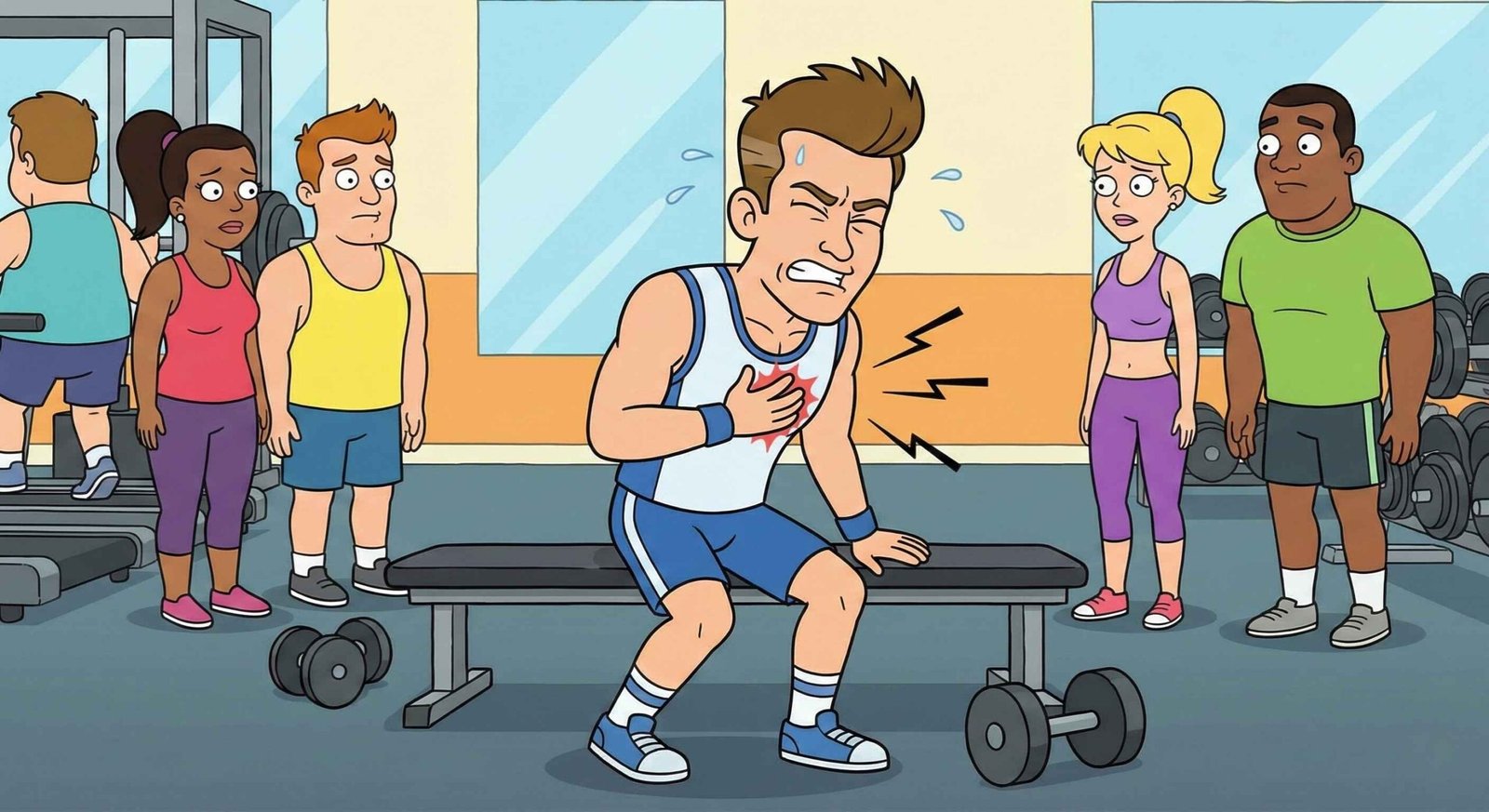
Muscle strain from heavy lifting often mimics chest pain but is usually sharp and localized
Asthma and Gastrointestinal Issues
- Asthma/EIB: Exercise-Induced Bronchoconstriction can cause airways to narrow, leading to a tight chest sensation and wheezing.
- Acid Reflux (GERD): Exercise can trigger heartburn that mimics cardiac pain.
- Gas and Indigestion: Trapped gas can cause significant pressure. For relief strategies, visit Gastric/Gas-Related Chest Pain Relief.
Cardiac Causes: When to Be Concerned
While many cases are non-cardiac, recognizing signs of a potential heart problem is critical.
Angina Pectoris (Stable vs. Unstable)
Angina is chest pain caused by reduced blood flow to the heart muscle.
- Stable Angina: Predictable pain during physical activity, like chest pain while running. It typically resolves with rest.
- Unstable Angina: Unexpected pain that may occur at rest. This is a medical emergency.
Left-Sided Pain and Heart Attack Indicators
While a heart attack can cause pain anywhere, left chest pain after a workout is often a significant concern. Classic signs include pressure in the center or left side, radiating pain to the arm or jaw, shortness of breath, and cold sweats.
If you experience these symptoms, consult a cardiologist immediately. You can find one using our Finding a Chest Pain Doctor guide.
Chest Pain While Running: Specific Considerations
Running is a fantastic exercise, but it can bring specific discomforts.
The "Side Stitch" vs. Cardiac Issues
- Side Stitch (ETAP): Sharp, stabbing pain usually below the rib cage. It is generally harmless. For more details on abdominal pain during activity, see Specific Abdominal Pain Conditions & Causes.
- Cardiac Issues: Central chest pressure or squeezing accompanied by breathlessness. If this happens, stop immediately.
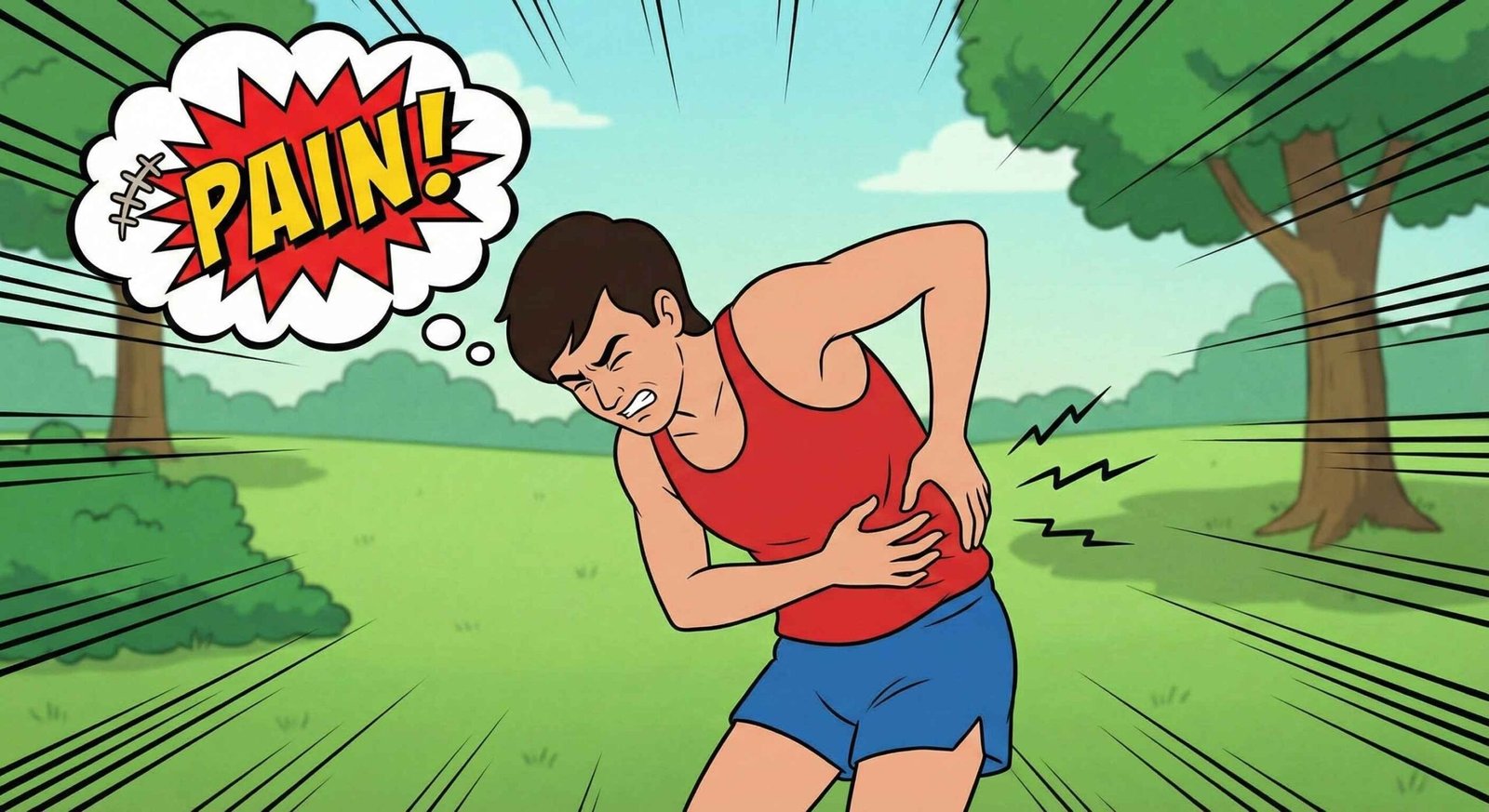
Side stitches are common in runners and are distinct from central cardiac chest pressure
Diagnostics and Treatment Options
If you experience concerning chest pain after exercise, getting a proper diagnosis is the most important step. When you visit Arka Hospital, our team will conduct a thorough evaluation:
- Medical History & ECG: Reviewing symptoms and recording electrical activity.
- Echocardiogram: Ultrasound of the heart structure.
- Cardiac Stress Test: Monitoring heart activity during treadmill exercise to replicate symptoms safely.
Summary of Red Flags
Call an ambulance immediately if you experience:
- Pain lasting longer than 5 minutes.
- Radiating pain to the arm or jaw.
- Shortness of breath or cold sweats.