
Comprehensive Guide to Chest Pain: Causes, Symptoms & When to Worry
Chest pain is one of the most alarming symptoms anyone can experience. It immediately makes us wonder: "Is this a heart attack?" While this fear is valid and crucial for quick action, chest pain can stem from many causes, not all related to the heart. Understanding the different types, causes, and when to seek immediate medical attention is vital for your health.
This guide will help you understand the various reasons behind chest pain, how to differentiate serious symptoms from less urgent ones, and which doctor to consult for chest pain.
Emergency Assessment: Is Your Chest Pain Life-Threatening?
Your first thought when experiencing chest pain should always be safety. While many causes of chest pain are harmless, some are life-threatening and require immediate medical attention. If you are ever in doubt, it is safer to act fast.
Identifying Heart Attack Warning Signs
A heart attack is a medical emergency. Recognizing the signs quickly and acting immediately can save a life. If you experience any of these symptoms, seek help immediately:
- Chest Discomfort: Most heart attacks involve discomfort in the center of the chest that lasts more than a few minutes. It can feel like uncomfortable pressure, squeezing, or fullness.
- Pain Radiating: Discomfort spreading to one or both arms, the back, neck, jaw, or stomach.
- Shortness of Breath: This can occur with or without chest discomfort.
- Other Signs: Cold sweat, nausea, lightheadedness, or fainting.
When to Visit the Emergency Room Immediately
If you or someone you are with experiences any of the following, do not hesitate—go to the nearest emergency room:
- Sudden, severe chest pain.
- Chest pain accompanied by shortness of breath, dizziness, cold sweats, or nausea.
- Pain that spreads to your arm, jaw, back, or shoulder.
- A feeling of impending doom.
Arka Hospital provides urgent trauma and cardiac support with a dedicated team ready 24/7. See our Emergency Care Overview & Services.
Understanding the Anatomy of Chest Pain
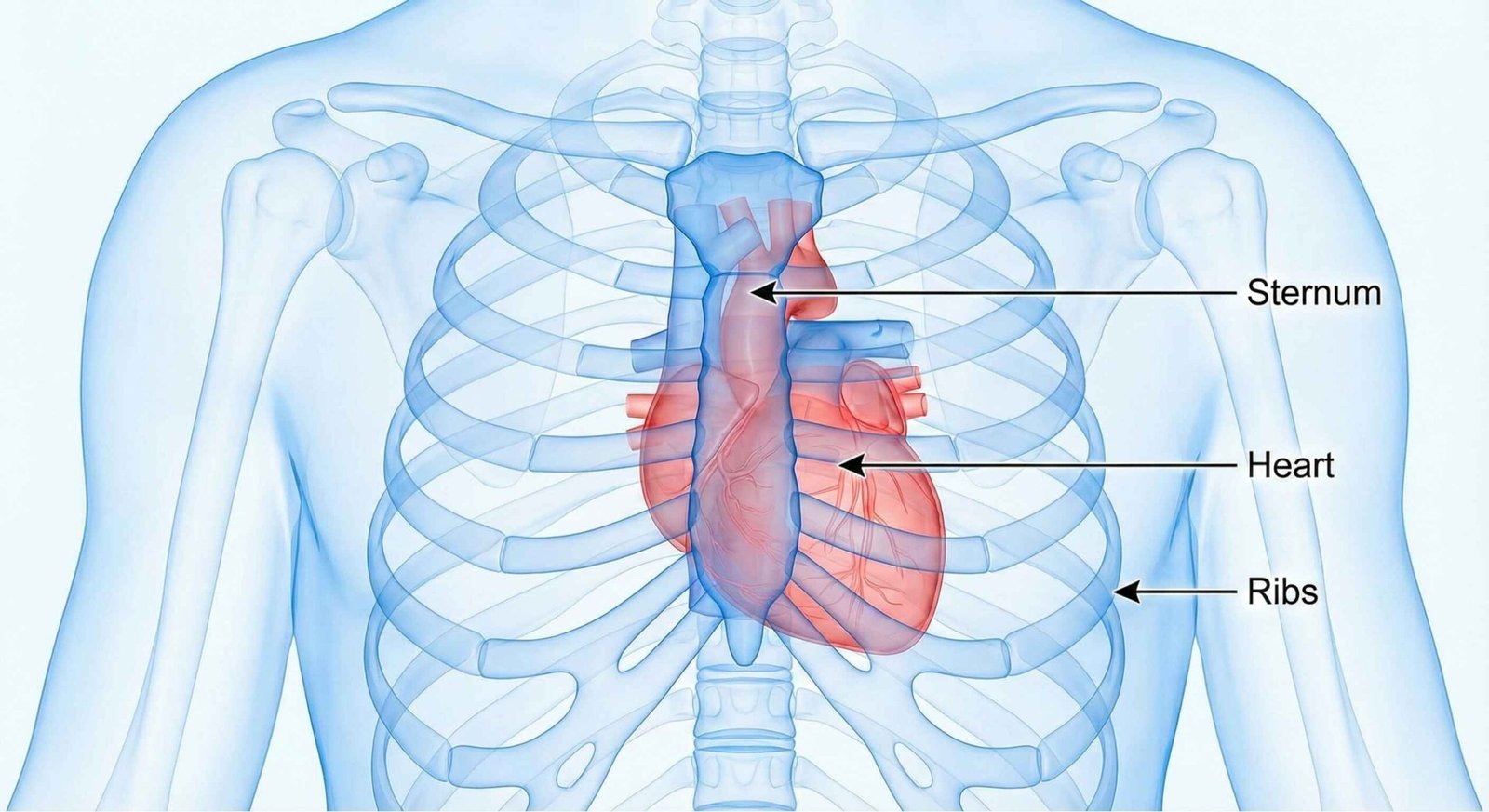
To understand your chest pain, it helps to know where it is coming from. The chest cavity contains vital organs like the heart and lungs, but also the esophagus, muscles, nerves, and bones.
What is Retrosternal Chest Pain?
Retrosternal chest pain refers to discomfort felt directly behind your breastbone (sternum). This type of pain is often a significant concern because it is a classic symptom of a heart attack. However, it can also originate from the esophagus.
- Cardiac Causes: Often feels like pressure, squeezing, or fullness.
- Esophageal Causes: Often feels like burning or a sharp sensation, usually related to eating.
Deciphering the Sensation: Sharp, Dull, or Burning?
The way your chest pain feels can offer important clues about its origin. Use this guide to help articulate your symptoms to a doctor:
| Sensation Type | Common Description | Possible Causes |
|---|---|---|
| Crushing/Heavy | Weight on chest, squeezing. | Cardiac (Heart attack, Angina) |
| Burning | Hot, acid-like sensation. | Gastrointestinal (GERD, Acid Reflux) |
| Sharp/Stabbing | Intense, localized pain. | Musculoskeletal, Anxiety, Nerve pain. |
| Pressure/Tightness | Band-like constriction. | Cardiac (Angina), Asthma. |
For a better understanding of where different types of chest pain can manifest, see our Visual Guide: Chest Pain Images & Illustrations.
Cardiac Causes: Why the Heart Hurts
When people think of chest pain, they often think of the heart. Indeed, many serious causes of chest pain originate from the cardiovascular system.
Angina and Coronary Artery Disease
Angina is chest pain caused by reduced blood flow to the heart muscle.
- Stable Angina: Occurs predictably with exertion. If you experience pain primarily during workouts, read our detailed guide on Chest Pain After Exercise & Physical Activity.
- Unstable Angina: Occurs unexpectedly, even at rest. This is a medical emergency.
Pericarditis and Other Heart Conditions
- Pericarditis: Inflammation of the sac surrounding your heart. It often causes sharp, stabbing retrosternal chest pain that worsens when you lie down or breathe deeply.
- Aortic Dissection: A rare, life-threatening condition where the inner layer of the aorta tears, causing sudden, severe tearing pain.
Non-Cardiac Causes: It Might Not Be Your Heart
Many times, chest pain is not related to the heart at all. Understanding these non-cardiac causes can provide significant relief and guide you to the right specialist.
Gastrointestinal Issues: Chest Pain and Stomach Pain Together
Digestive problems are a very common cause of chest pain. If you experience chest pain and stomach pain together, it could be due to:
- GERD (Acid Reflux): Acid flows back into the esophagus, causing burning pain (heartburn).
- Gas and Indigestion: Trapped gas can create pressure in the chest diaphragm area. Visit Gastric/Gas-Related Chest Pain Relief for tips.
Respiratory Infections and COVID Chest Pain
Lungs and airways can also be a source of chest pain, especially with infections like Pleurisy, Pneumonia, or COVID-19. If you have persistent respiratory issues accompanied by chest pain, consult a specialist.
Esophageal Trauma: Chest Pain After Vomiting
Vigorous vomiting can lead to esophageal injury (Mallory-Weiss Tear). While minor tears heal, severe pain after vomiting requires immediate attention.
Psychological Factors: The Mind-Body Connection
It is easy to dismiss psychological causes, but anxiety and stress can manifest as very real, frightening chest pain.
- Can Anxiety Cause Chest Pain? Yes. Anxiety and panic attacks can cause physical symptoms that mimic a heart attack, such as muscle tension, hyperventilation, and increased heart rate.
- Differentiating Panic Attacks: Panic attacks often present as sharp, stabbing pain accompanied by tingling or dread, and may subside with calming techniques. Heart attacks present as crushing pressure.
Sometimes, lifestyle habits can trigger these responses. Learn more in our article Chest Pain After Specific Activities.
Diagnosis: How Doctors Determine the Cause
When you seek medical help at Arka Hospital, our doctors follow a systematic approach to prioritize life-threatening conditions.
Essential Diagnostic Tests
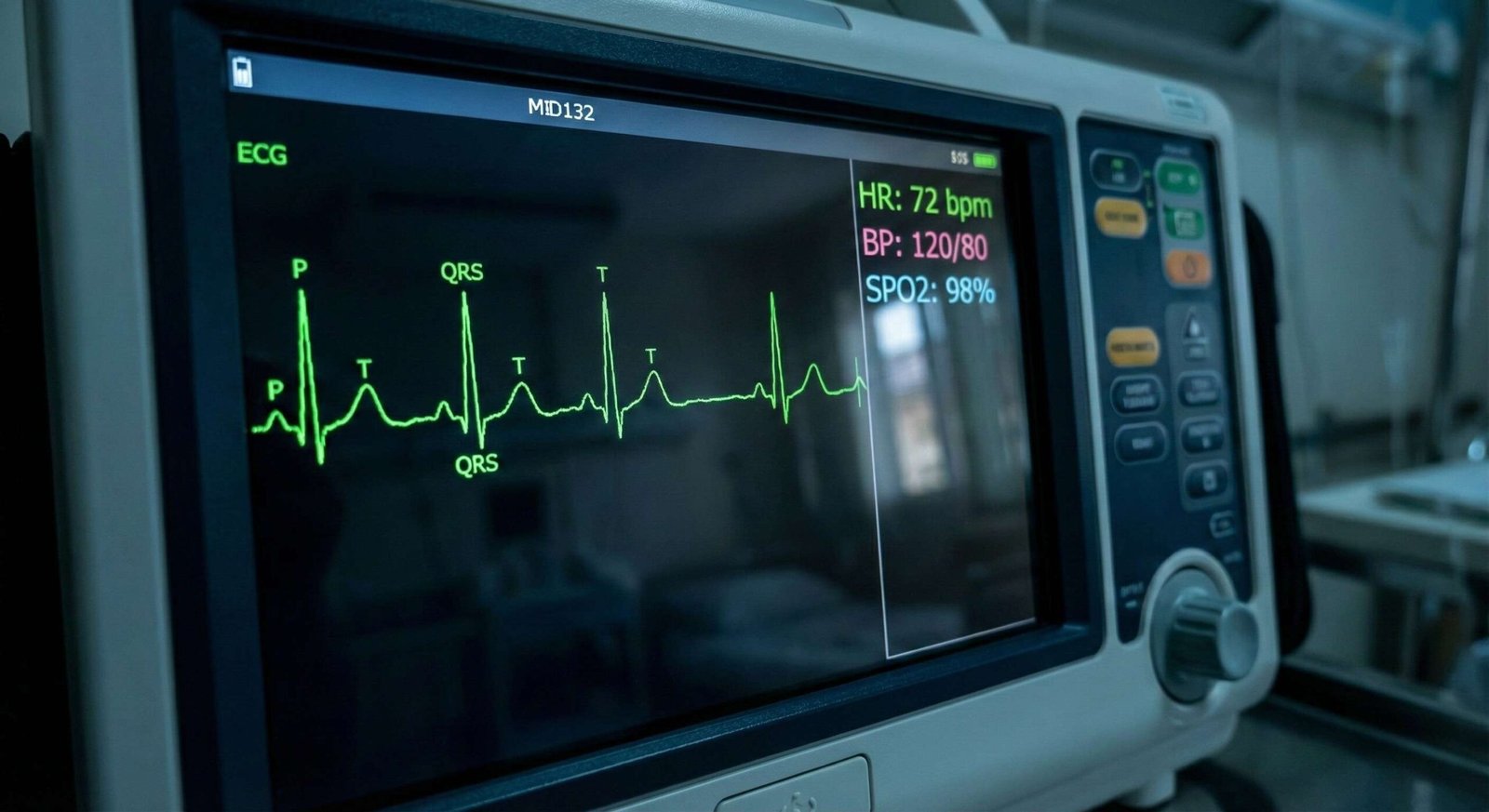
- ECG (Electrocardiogram): Records electrical signals to detect heart attacks or rhythm issues.
- Blood Tests (Troponin): Checks for proteins that indicate heart muscle damage.
- Chest X-ray & CT Scan: Visualizes lungs, blood vessels, and bone structures.
Treatment and Medical Consultation
Which Doctor to Consult for Chest Pain?
The initial point of contact is usually an emergency doctor or general physician. Depending on findings, you may be referred to:
- Cardiologist: For heart-related pain.
- Gastroenterologist: For digestive issues (GERD, ulcers).
- Pulmonologist: For lung-related pain.
Don't Ignore the Warning Signs
If you are in Bangalore and experiencing concerning symptoms, contact Arka Hospital for expert care immediately.
Emergency Helpline: +91 9019704252
Book an Appointment Now