
Fistula Surgery in Bangalore: Comprehensive Guide to Procedures & Recovery
Dealing with an anal fistula can be physically painful and emotionally draining. The persistent discharge, irritation, and discomfort can disrupt your daily life, leaving you searching for a permanent solution. If you are experiencing these symptoms, you are not alone—and more importantly, effective help is available.
This comprehensive guide covers everything you need to know about anal fistulas, from accurate diagnosis to the most advanced fistula treatment in Bangalore. We will explore modern techniques like laser surgery, break down recovery timelines, and help you choose the best treatment tailored to your body.
Understanding Anal Fistula: Symptoms, Causes, and Types
To treat a condition effectively, you must first understand what is happening inside your body.
What is an Anal Fistula?
An anal fistula is a small, abnormal tunnel that connects the anal canal (where stool passes) to the skin surrounding the anus. Imagine a tiny, unwanted passageway that forms typically after an anal abscess—a collection of pus caused by infection—has drained but failed to heal completely.
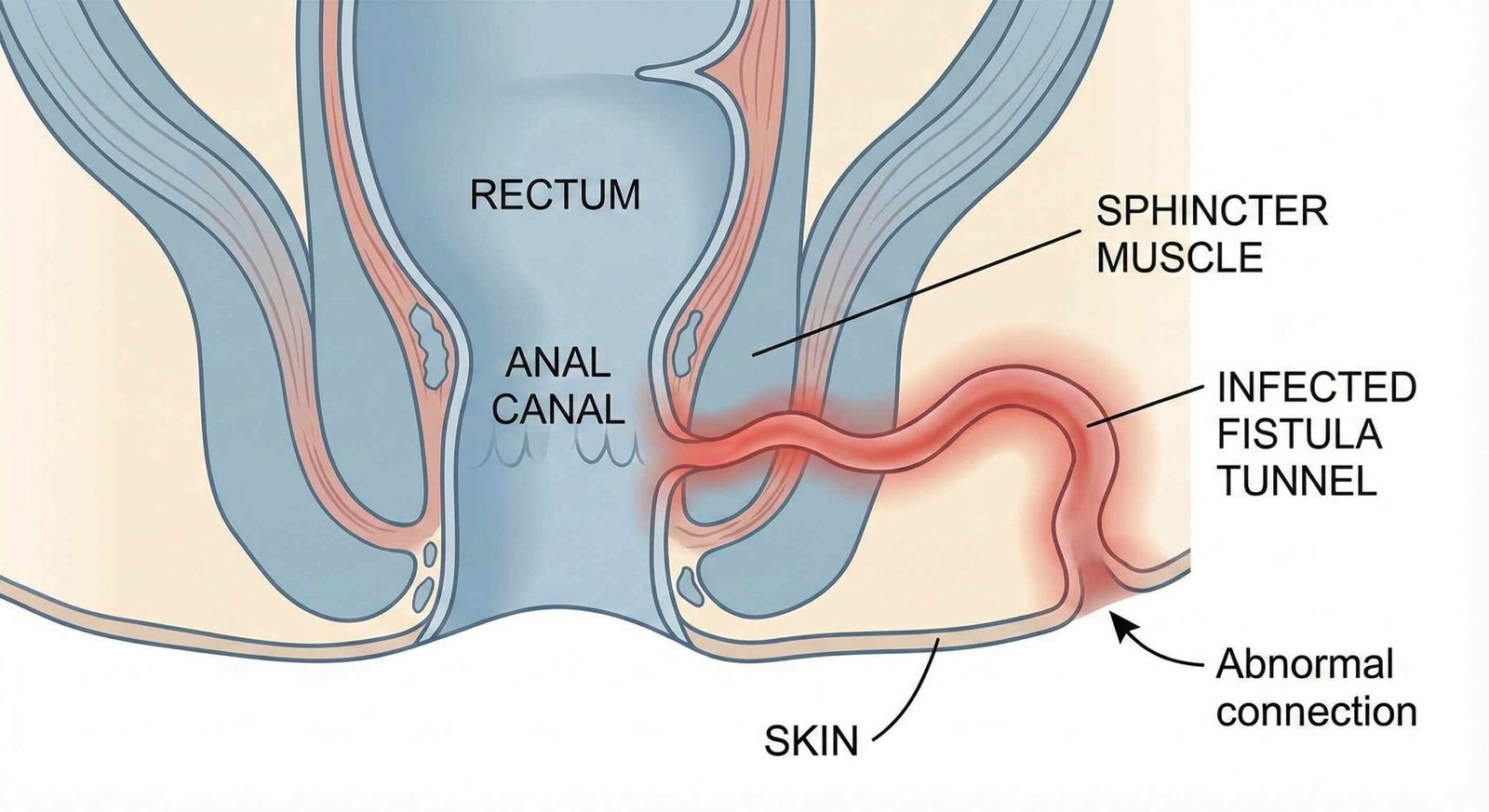
An anal fistula acts as an abnormal tunnel connecting the internal anal gland to the external skin
It is crucial to distinguish this from other anorectal conditions. We have broken down the differences below:
| Condition | Description | Key Difference |
|---|---|---|
| Anal Fistula | An infected tunnel connecting the anal canal to skin. | Requires surgical intervention to close the tract. |
| Anal Fissure | A tear in the lining of the anus. | Usually a surface wound; see Anal Fissure Surgery & Treatment Options. |
| Piles (Hemorrhoids) | Swollen blood vessels. | Vascular issue vs. infectious tract. |
Recognizing Key Symptoms
Symptoms rarely resolve on their own. If you notice the following, medical intervention is necessary:
- Persistent Drainage: The most common sign—pus, blood, or foul-smelling fluid weeping from a small opening near the anus.
- Pain and Swelling: Throbbing discomfort that worsens when sitting, coughing, or during bowel movements.
- Recurrent Abscesses: Repeated painful boils or pus collections near the anal opening.
- Skin Irritation: Chronic itching and soreness due to constant moisture/discharge.
- Systemic Signs: In cases of active infection, you may experience fever and chills.
Common Causes and Risk Factors
The primary culprit is usually an infected anal gland. However, other factors increase susceptibility:
- History of Anal Abscess: The most frequent precursor.
- Inflammatory Bowel Disease (IBD): Conditions like Crohn's Disease or Ulcerative Colitis.
- Infections: Tuberculosis or HIV/AIDS can weaken immune responses.
- Previous Trauma: Prior pelvic surgeries or radiation therapy.
Diagnosing a Fistula: Tests and Examinations
Accurate diagnosis maps the fistula's path, which is critical for preserving your sphincter muscles during surgery.
Physical Examination
Your specialist will begin with a patient history followed by a physical exam:
- Visual Inspection: Checking for external openings and inflammation.
- Digital Rectal Exam (DRE): A gentle check to feel for the fibrous tract or internal opening.
- Probing: Occasionally, a blunt probe is used to gauge the tract's depth (often done under anesthesia for comfort).
Note: For more on standard diagnostic protocols, you can review resources from the National Health Service (NHS).
Advanced Imaging (MRI & Ultrasound)
For complex cases, high-tech imaging is non-negotiable to ensure the best treatment for fistula:
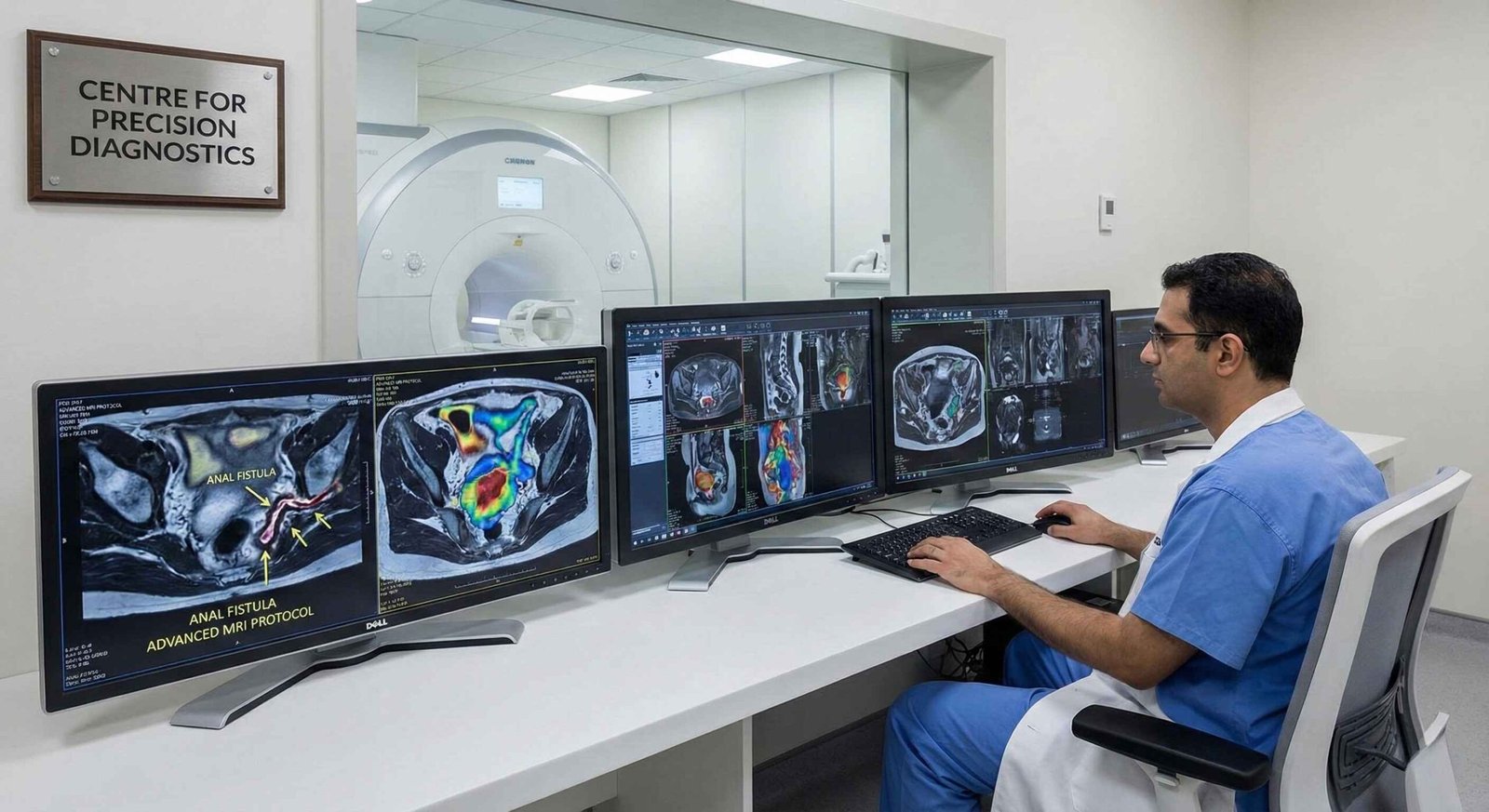
Bangalore's top hospitals utilize MRI Fistulograms to map complex tracts and protect muscle function
- MRI Fistulogram: The gold standard for mapping complex branches and their relation to sphincter muscles.
- Endoanal Ultrasound: A specialized probe provides high-resolution images of the anal canal.
The Best Treatment for Fistula: Surgical Options Explained
Surgery is the only definitive cure. The objective is simple: close the tunnel while protecting your ability to control bowel movements.
1. Laser Surgery for Fistula (FiLaC)
Fistula-tract Laser Closure (FiLaC) is widely considered the best treatment for fistula for patients seeking minimal downtime.
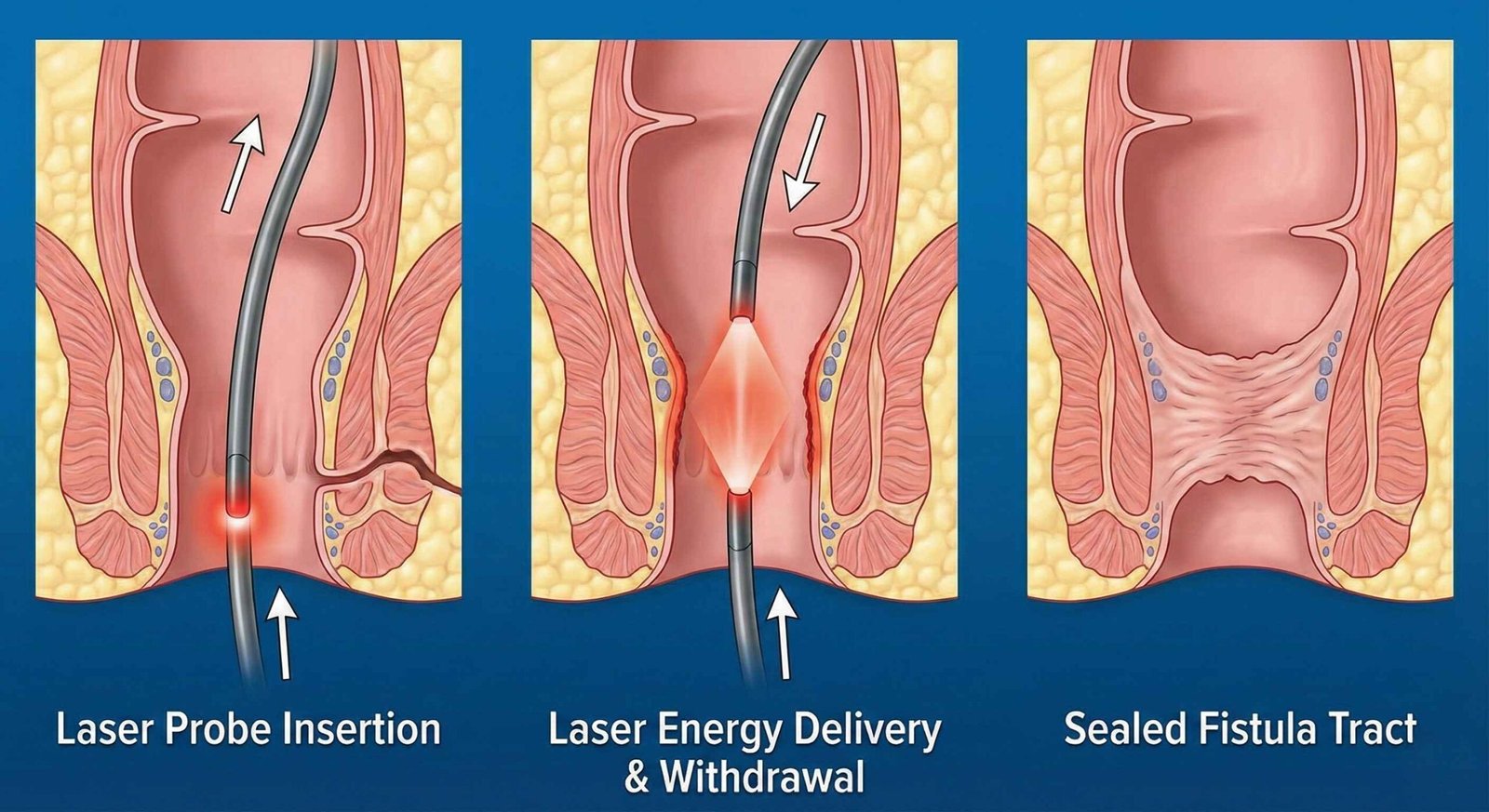
FiLaC uses radial laser energy to seal the tract from the inside out without cutting the muscle
How it works: A radial laser fiber is inserted into the tract. The laser energy shrinks and seals the tissue from the inside out, closing the tunnel without cutting muscle.
Why choose it: It preserves the sphincter muscle, significantly reducing the risk of incontinence.
2. Traditional Fistulotomy
Often the "gold standard" for very simple, superficial fistulas. The surgeon cuts the tract open along its length, allowing it to heal from the inside out (like a flat scar). While highly effective, it involves an open wound and longer healing time.
3. Complex Procedures (Seton & VAAFT)
For high-risk or recurrent fistulas:
- Seton Placement: A surgical thread is placed through the tract to drain infection and slowly cut through tissue.
- VAAFT (Video-Assisted): A tiny camera allows the surgeon to see inside the tract and treat it internally.
Why Choose Laser Treatment? Benefits & Recovery
Laser treatment (FiLaC) has revolutionized patient outcomes. The reduced pain and minimal bleeding are significant advantages, but the recovery timeline is where the difference is most stark.
Recovery Timeline Comparison
| Feature | Traditional Surgery | Laser Surgery (FiLaC) |
|---|---|---|
| Downtime | 4-6 Weeks | 2-3 Days |
| Wound Care | Frequent dressing changes required | Minimal or no dressing required |
| Pain Level | Moderate to High | Mild (Manageable with basic meds) |
| Sphincter Risk | Small risk of incontinence | Muscle preserved (Zero risk) |
Fistula Treatment in Bangalore: Choosing the Right Care
Bangalore is home to world-class proctology care. However, choosing the right provider matters.
Selecting the Best Hospital
When searching for the best hospital for fistula treatment in Bangalore, prioritize:
- Specialized Proctology Dept: Dedicated teams for anorectal disorders.
- Technology: Availability of FiLaC laser units and MRI diagnostics.
- 24/7 Support: Essential for post-op peace of mind.
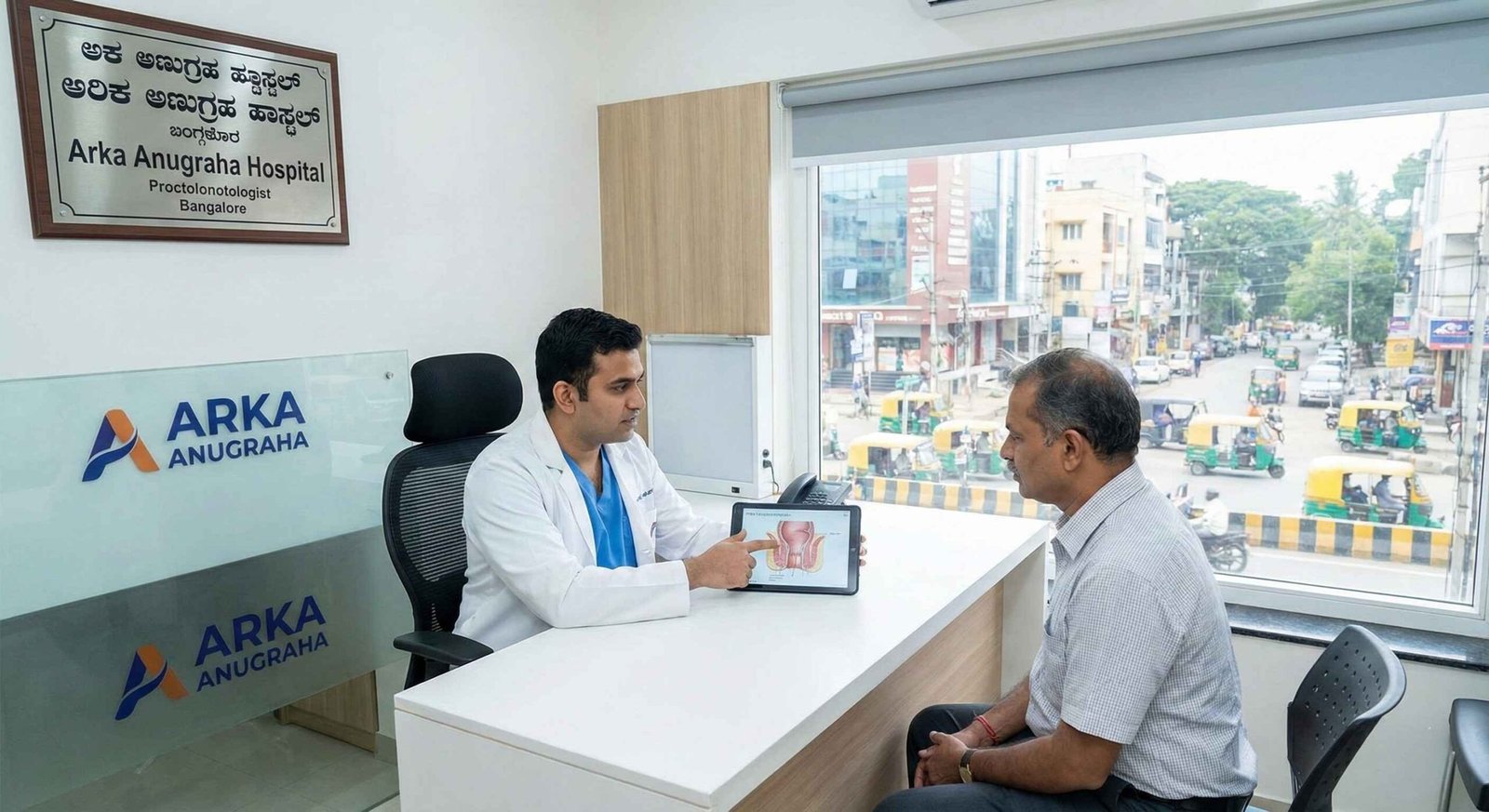
Ensure your consultation is with a specialized Proctologist, not just a general surgeon
Cost of Fistula Treatment in Bangalore
The fistula treatment cost varies based on procedure type (Laser is premium), hospital category, and case complexity. However, most health insurance policies cover fistula surgery as a "medical necessity." Leading hospitals for fistula treatment in Bangalore typically offer cashless facilities with major insurance providers.
Important Note: Vascular Fistulas
While this guide focuses on Anal Fistulas, the term "fistula" is also used in vascular surgery for kidney dialysis patients. If you are looking for that information, please read our guides on AV Fistula Surgery: A Detailed Overview and Dialysis Fistula Surgery: Types & Process.
Post-Surgery Recovery and Prevention
Recovery doesn't end when you leave the hospital. Proper home care is essential for healing.
Immediate Post-Op Care
- Sitz Baths: Soaking in warm water relieves pain and keeps the area clean.
- Hygiene: Gentle cleaning (patting, not rubbing) is essential.
- Rest: Avoid heavy lifting for the first week.
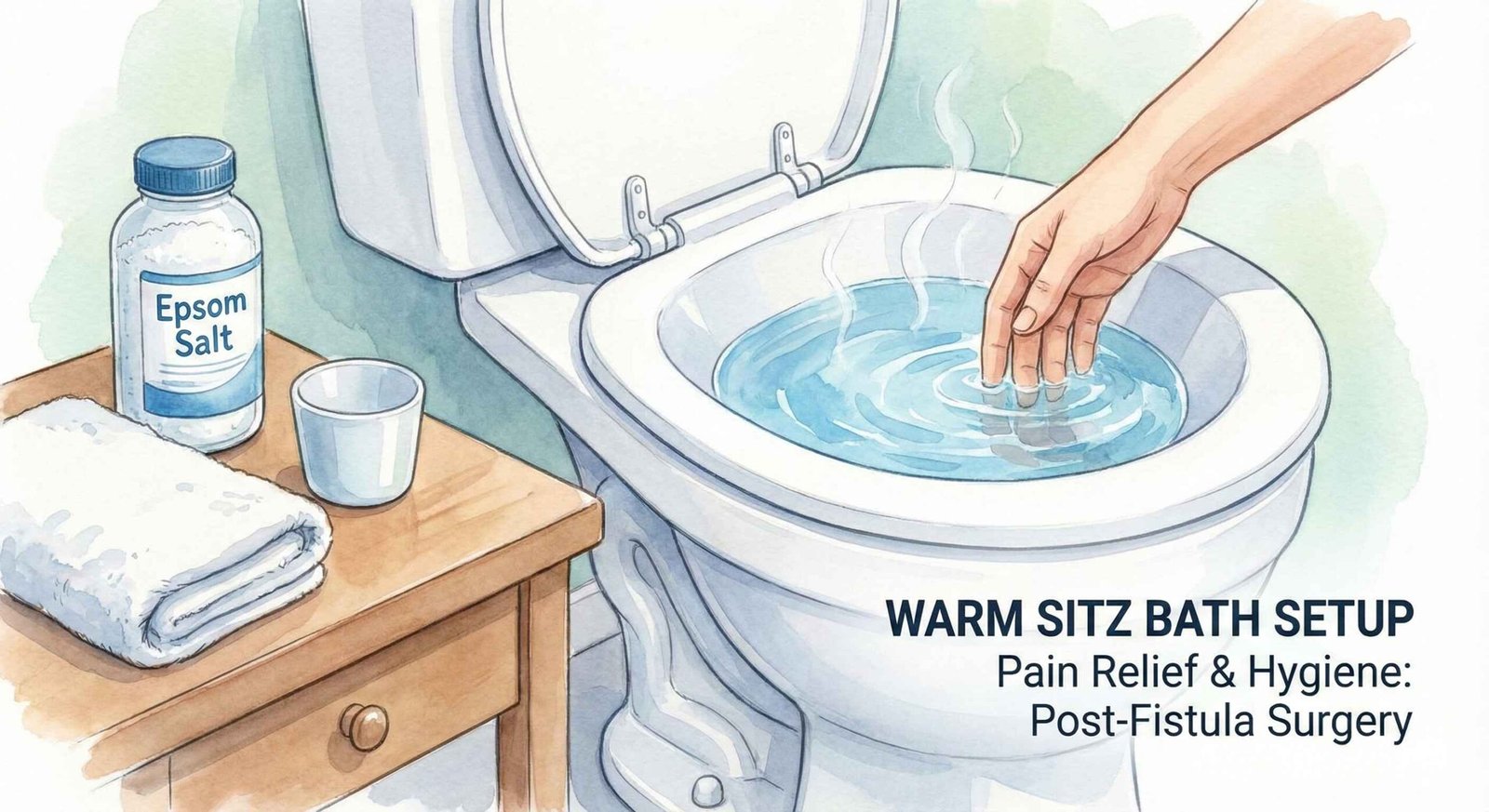
Warm sitz baths are a cornerstone of recovery, providing hygiene and pain relief
Diet and Lifestyle
To prevent recurrence, you must avoid constipation and straining. Focus on high-fiber foods (fruits, veggies, whole grains) and drink 3-4 liters of water daily.
Take the Next Step Toward Relief
Don't let an anal fistula control your life. With advanced fistula treatment in Bangalore, a pain-free future is within reach.
Book Your Consultation with a Specialist Today