
Visual Guide: Chest Pain Pictures & Illustrations to Identify Symptoms
Chest pain can be alarming, and accurately describing it to a healthcare provider can be challenging. What if you could show what you are feeling? This guide uses chest pain pictures and illustrations to help you visualize different types of chest discomfort, recognize potential warning signs, and understand when to seek medical attention.
By understanding the visual cues associated with various conditions, you can better communicate your symptoms and aid in a quicker, more accurate diagnosis.
Visualizing Symptoms: How to Interpret a Chest Pain Picture
It is often said that "a picture is worth a thousand words," and this holds especially true when discussing pain. When you are experiencing discomfort, finding the right words to describe its intensity, quality, and location can be difficult. Doctors often pay close attention to how patients describe their pain visually, noting gestures like clenching a fist over the chest versus pointing to a specific spot.
To understand the full spectrum of causes, read our Comprehensive Guide to Chest Pain: Causes, Symptoms & When to Worry.
Why Visual Localization Matters
Your hands provide a unique language for pain. Medical professionals are trained to interpret these cues. For instance, the "Levine’s Sign," where a patient instinctively clenches a fist over their sternum, is a well-known indicator often associated with cardiac ischemia (reduced blood flow to the heart).
The "Levine Sign" vs. Localized Pointing
Consider these two distinct chest pain images that illustrate the difference:
| Visual Cue | Image Description | Likely Cause |
|---|---|---|
| Image A | Clenched fist over center chest (Levine's Sign). Broad, crushing sensation. | Cardiac Pain (Heart Attack, Angina) |
| Image B | Pointing with one finger to a specific spot. Sharp, localized pain. | Non-Cardiac Pain (Muscle, Nerve, Acid Reflux) |
Understanding these visual differences can be crucial. If you exhibit signs like Image A, it is time for an Emergency Care Overview & Services evaluation.
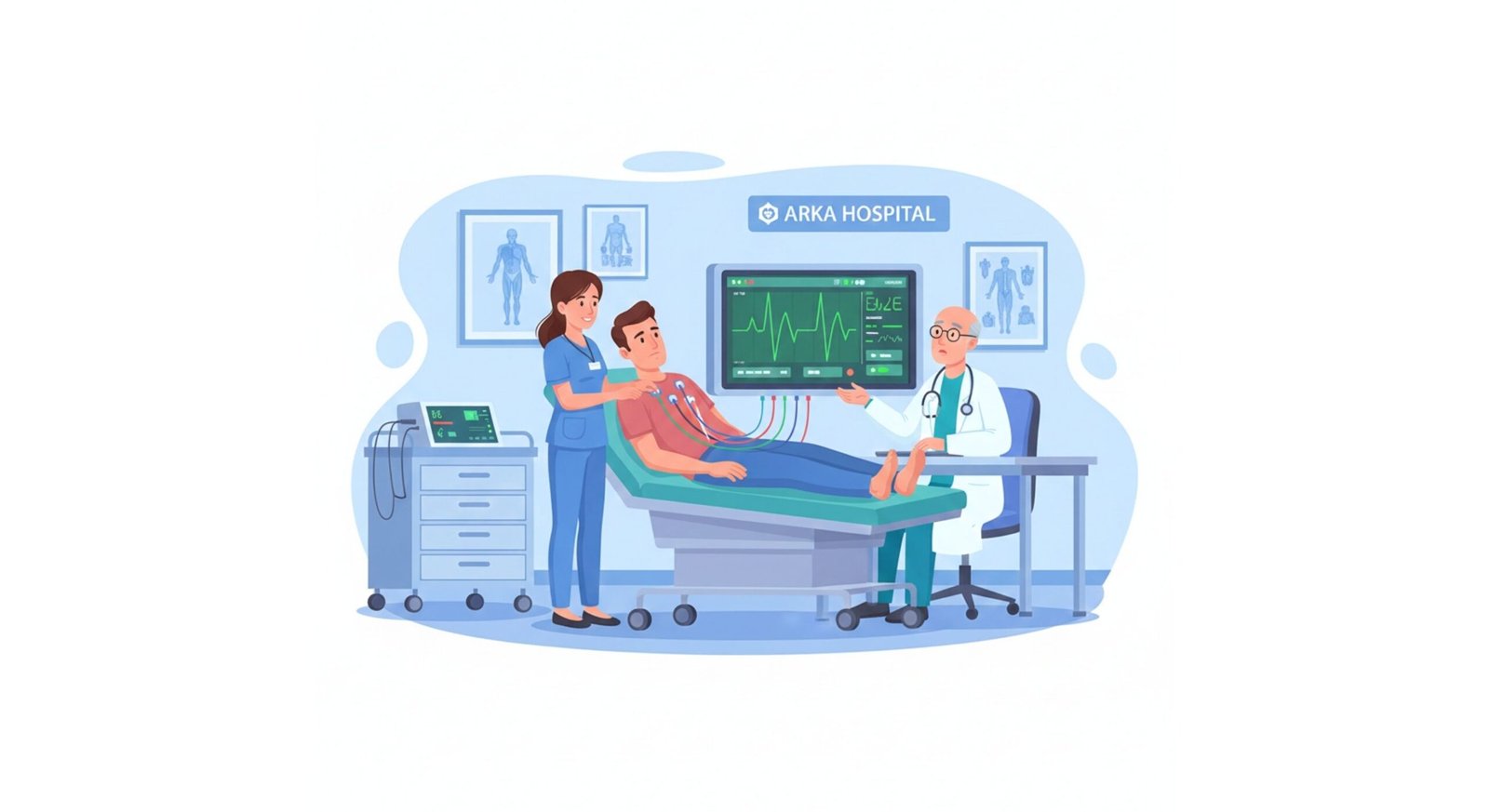
Medical professionals use advanced diagnostics like ECGs to interpret the electrical signals behind your chest pain
Cardiac Chest Pain Images: Recognizing the Warning Signs
When it comes to the heart, early recognition of symptoms is paramount. Chest pain pictures specifically illustrating cardiac pain patterns can be life-saving.
Visualizing Heart Attack Radiating Pain
A classic symptom of a heart attack is pain that radiates from the chest to other parts of the body. Imagine a chest pain picture showing red zones spreading from the center of the chest:
- Left Arm: Pain or numbness extending down the left arm.
- Neck and Jaw: Discomfort or tightness in the jaw.
- Back: Aches between the shoulder blades.
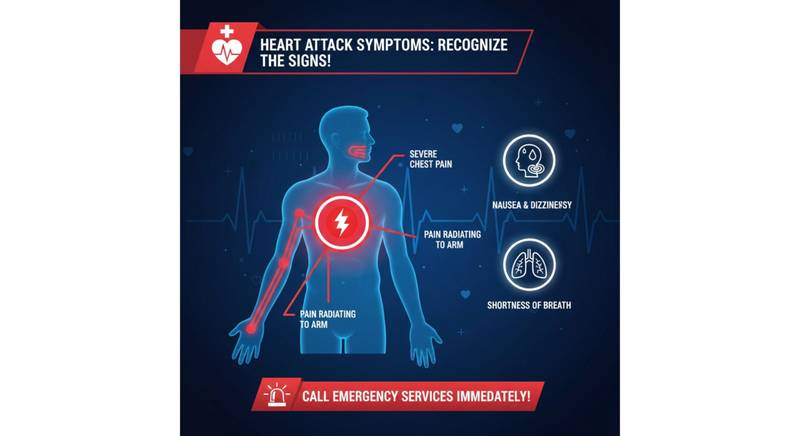
Visualizing the 'Red Zones': Cardiac pain often radiates to the neck, jaw, and left arm
Angina and Pressure: The "Elephant on Chest" Illustration
Many people describe angina as feeling like "an elephant sitting on my chest." This visual metaphor depicts the heavy, oppressive pressure associated with cardiac pain.
- Stable Angina: Triggered by exertion. If you experience this, read our guide on Chest Pain After Exercise & Physical Activity.
- Unstable Angina: Occurs at rest and is a medical emergency.
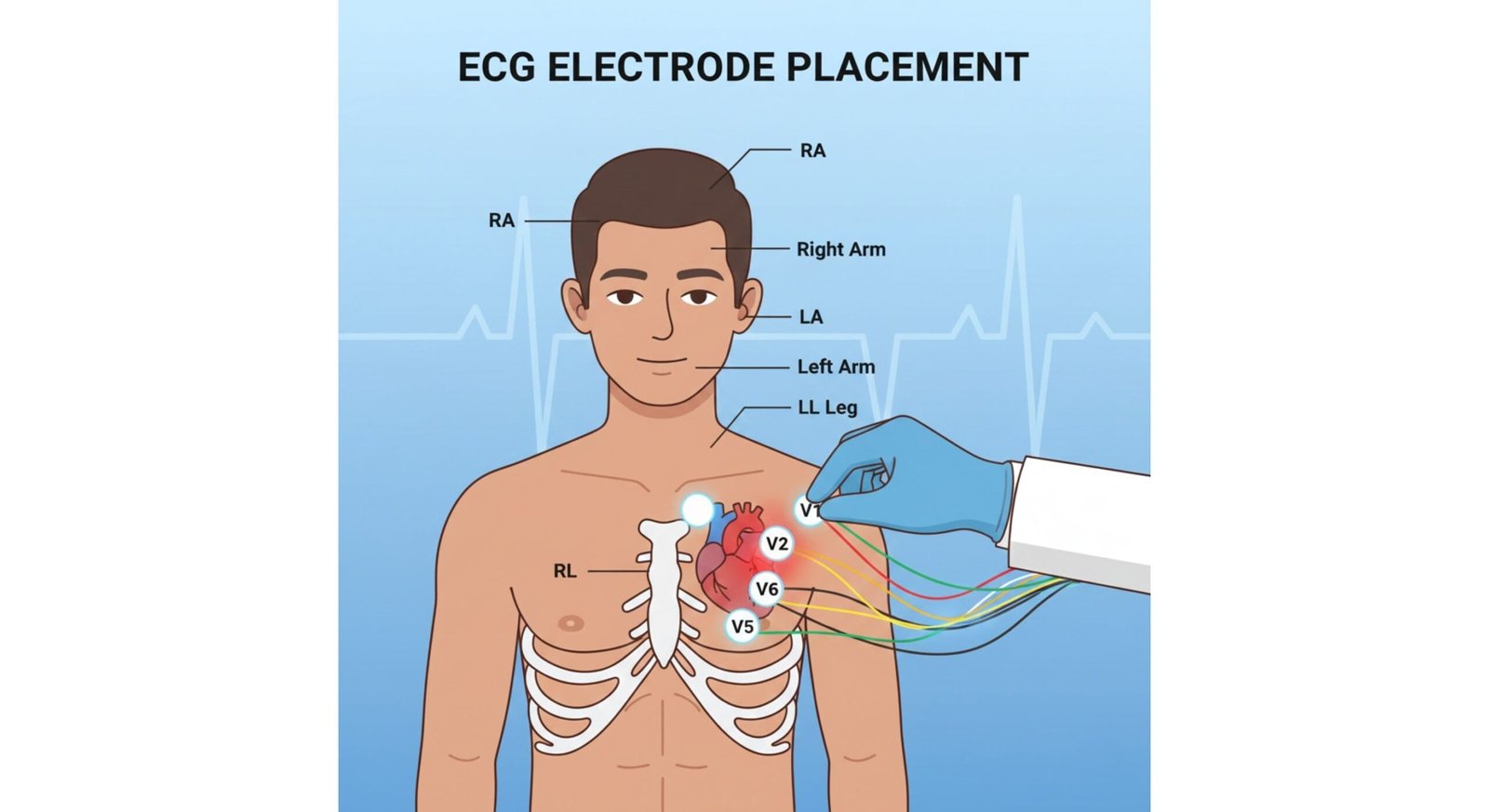
Understanding chest anatomy helps doctors pinpoint if pain is musculoskeletal or cardiac in origin
Non-Cardiac Causes: Differentiating Through Illustrations
Not all chest pain originates from the heart. Many other conditions can cause discomfort, and understanding their typical visual "pain maps" can help differentiate them.
Gastric and Digestive Pain Maps
Digestive issues are common culprits for non-cardiac chest pain. Chest pain images related to conditions like GERD often highlight the:
- Epigastric Region: The area just below your ribs. Pain here can feel like a burning sensation.
- Burning Upward: A burning sensation moving upward into the chest, often accompanied by a sour taste.
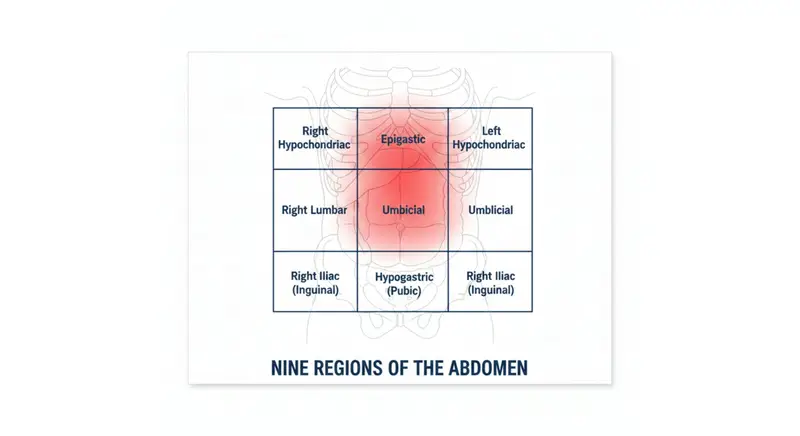
Pain originating in the Epigastric Region often signals gastric issues rather than heart problems
Understanding these patterns can help in identifying gas-related issues. For relief strategies, visit Gastric/Gas-Related Chest Pain Relief.
Musculoskeletal and Rib Cage Diagrams
Pain stemming from the muscles or ribs is another frequent cause. Illustrations highlighting the intercostal muscles can pinpoint conditions like Costochondritis (inflammation of rib cartilage).
- Costochondritis: Often shows tenderness when pressing on specific areas of the chest wall.
- Movement-Related Pain: Worsens with twisting or deep breathing.
For a broader look at abdominal triggers, see Specific Abdominal Pain Conditions & Causes.
Simplified Educational Tools: Chest Pain Cartoon Images
Sometimes, complex medical information needs to be simplified. This is where chest pain cartoon images and infographics shine.
Using Cartoons for Patient Education
Chest pain cartoon images are excellent for reducing anxiety. They can simplify complex anatomy into relatable visuals, such as a "clogged pipe" representing a blocked artery. These visuals are a core part of effective patient education, similar to our Nursing Care Plans for Pain Management (Abdominal & Chest).
Infographics: Cardiac vs. Non-Cardiac Checklist
Imagine a visual "Checklist":
- Left Column (Red/Danger): Bold red colors and alarming images (e.g., clutching chest) to highlight emergency symptoms.
- Right Column (Yellow/Caution): Yellow colors and milder images (e.g., stomach with a small flame) to list symptoms like heartburn.
Contextual Triggers: Visualizing When Pain Occurs
The circumstances surrounding your chest pain offer crucial clues. Visualizing these contexts with a chest pain picture can help connect your symptoms to their potential causes.
Post-Activity Pain Locations
Consider these contrasting scenarios:
- Exertion-Based Angina: A chest pain picture of a person stopping mid-jog immediately suggests exertion-triggered angina.
- Lifestyle Triggers: A picture of a person slouching after a heavy meal could indicate digestive issues.
These visual distinctions are key to differentiating between exertion-based cardiac issues and other triggers. Learn more in Chest Pain After Specific Activities.
When to See a Doctor: Turning Visuals into Action
While chest pain pictures are helpful, they are not a substitute for professional medical evaluation.
Identifying "Red Flag" Appearances
Certain visual cues are "red flags" that demand immediate emergency attention:
- Blue Lips (Cyanosis): Indicating a severe lack of oxygen.
- Collapse: Suddenly losing consciousness.
- Sudden, Crushing Pain: Especially if accompanied by sweating.
Don't Guess—Get Diagnosed
If your symptoms match the "warning" images or if pain persists, consult a healthcare professional. Don't self-diagnose based solely on visuals.
Arka Hospital Helpline: +91 9019704252
Book an Appointment Now