
Essential Guide to Hernia Surgery Recovery: Diet, Exercise, and Timeline
Getting ready for or recovering from hernia surgery can bring up many questions. This guide will walk you through what to expect, from what you should eat to how to safely get back to your daily activities. Our goal is to help you have a smooth and complete recovery.
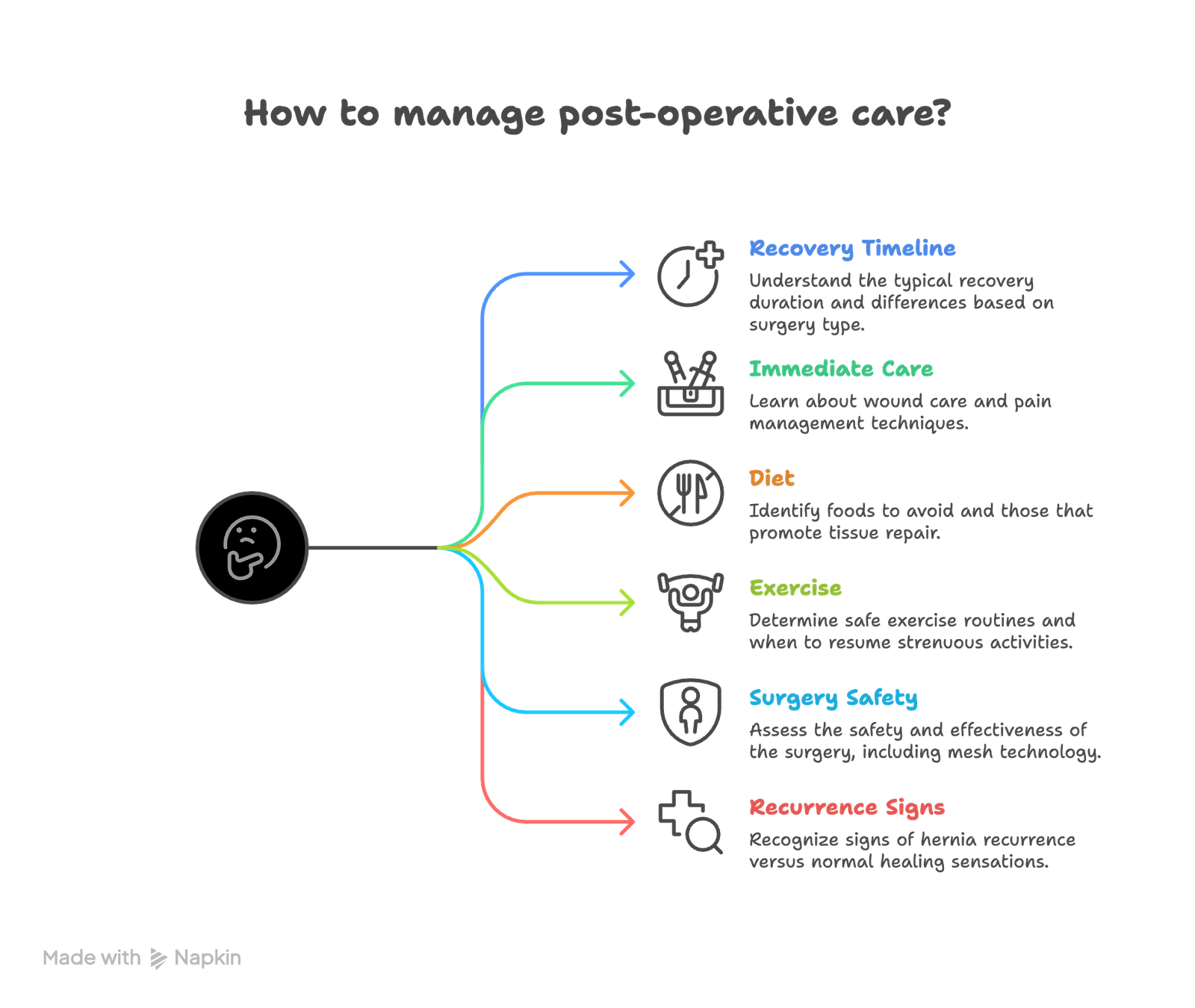
Navigating the Post-Operative Phase
After hernia surgery, your body needs time to heal. Understanding the different stages of recovery can help you manage your expectations and follow your doctor's advice.
Understanding the Recovery Timeline
Recovery from hernia surgery isn't a single event but a journey through several phases:
- Days 1-3 (Immediate Phase): You'll likely feel some pain and discomfort, managed with medication. Rest is key, and light walking is encouraged to prevent blood clots.
- Weeks 1-2 (Early Recovery): You'll start to feel better each day. Return to light activities but avoid heavy lifting. The incision site will be healing.
- Weeks 4-6 and beyond (Normalization): Most healing has taken place. Your doctor will likely clear you to slowly return to more strenuous activities.
Immediate Post-Surgery Care
Right after surgery and once you are home, focusing on immediate care is crucial:
- Wound Care: Keep the incision clean and dry. Watch for signs of infection like redness or fever.
- Pain Management: Take medication as prescribed; don't wait for pain to become severe.
- Gentle Movement: Short, gentle walks improve blood flow and reduce blood clot risk.
Optimizing Nutrition for Healing
What you eat plays a huge role in how well and how quickly you recover. Good nutrition supports your body's healing process and helps prevent complications.
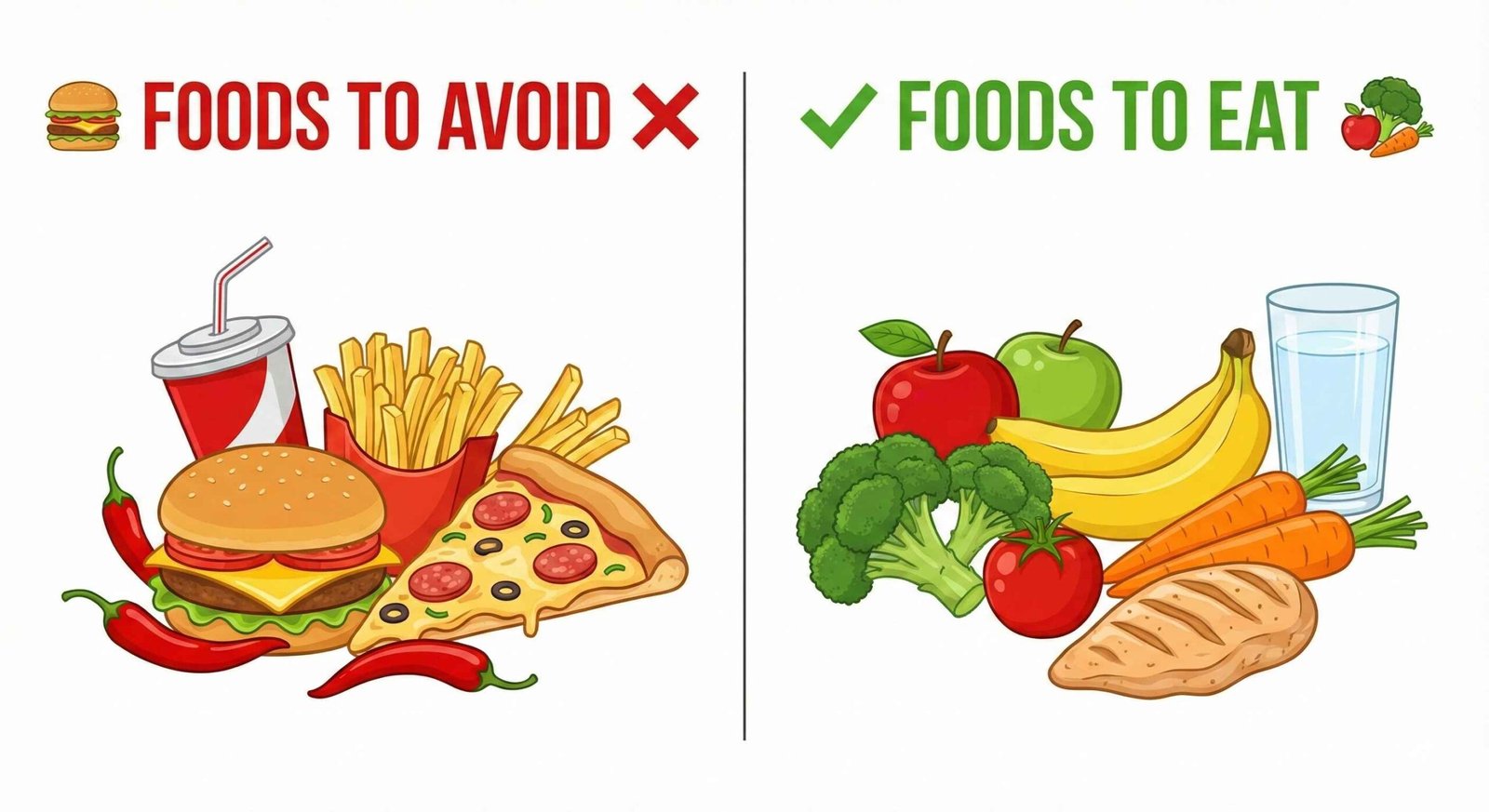
Key Foods to Avoid
To prevent strain on your healing muscles caused by constipation or gas, avoid the following:
- Constipation-Causing Foods: White bread, processed snacks, and excessive red meat. Straining during bowel movements is dangerous for your repair.
- Gas-Producing Foods: Beans, lentils, broccoli, cabbage, and fizzy drinks. Gas causes unwanted abdominal pressure.
- Spicy & Heavy Foods: Deep-fried items or spicy dishes can upset your stomach and digestion.
Best Foods to Promote Tissue Repair
- Fiber-Rich Foods: Berries, apples, leafy greens, and oatmeal to prevent constipation.
- Protein: Lean chicken, fish, eggs, and yogurt are essential for repairing tissues.
- Vitamin C: Citrus fruits and bell peppers help your body produce collagen for wound healing.
- Hydration: Drink plenty of water to keep your digestive system smooth.
Physical Activity and Rehabilitation
Getting back to physical activity is a key part of recovery, but it must be done carefully and gradually.
Safe Hernia Patient Exercise Routines
Walking is usually the first activity recommended. Start with short, slow walks around your house a day or two after surgery. For the first two weeks, focus on gentle movement and avoid lifting anything heavier than a gallon of milk (approx. 8-10 lbs).
Advanced Exercise for Hernia Patients
As you move past the initial recovery phase (Weeks 4-6), you can slowly introduce more challenging exercises once cleared by your doctor. Begin with very light weights and fewer repetitions. The Golden Rule: If an activity causes pain or a pulling sensation, stop immediately.
Managing Expectations and Complications
It's natural to have concerns about surgery. We have answered common questions below to help ease your mind:
Is hernia surgery safe and effective?
Yes. Hernia surgery is one of the most common and successful procedures performed. Modern techniques (like laparoscopy) and anesthesia make it very safe. It is the only permanent solution to repair the weak spot, and modern mesh technology has significantly reduced the chance of recurrence.
Abdominal Strain vs. Hernia Recurrence
Normal Healing: You may feel pulling, twinges, or numbness due to scar tissue forming and nerves healing.
Recurrence: A recurrence feels like a new bulge or lump appearing in the same area, often accompanied by persistent pain. If you see a new bulge, contact your surgeon.
Visualizing the Healing Process
What to Expect: Incision Healing
While results vary, understanding the visual stages helps you monitor recovery:
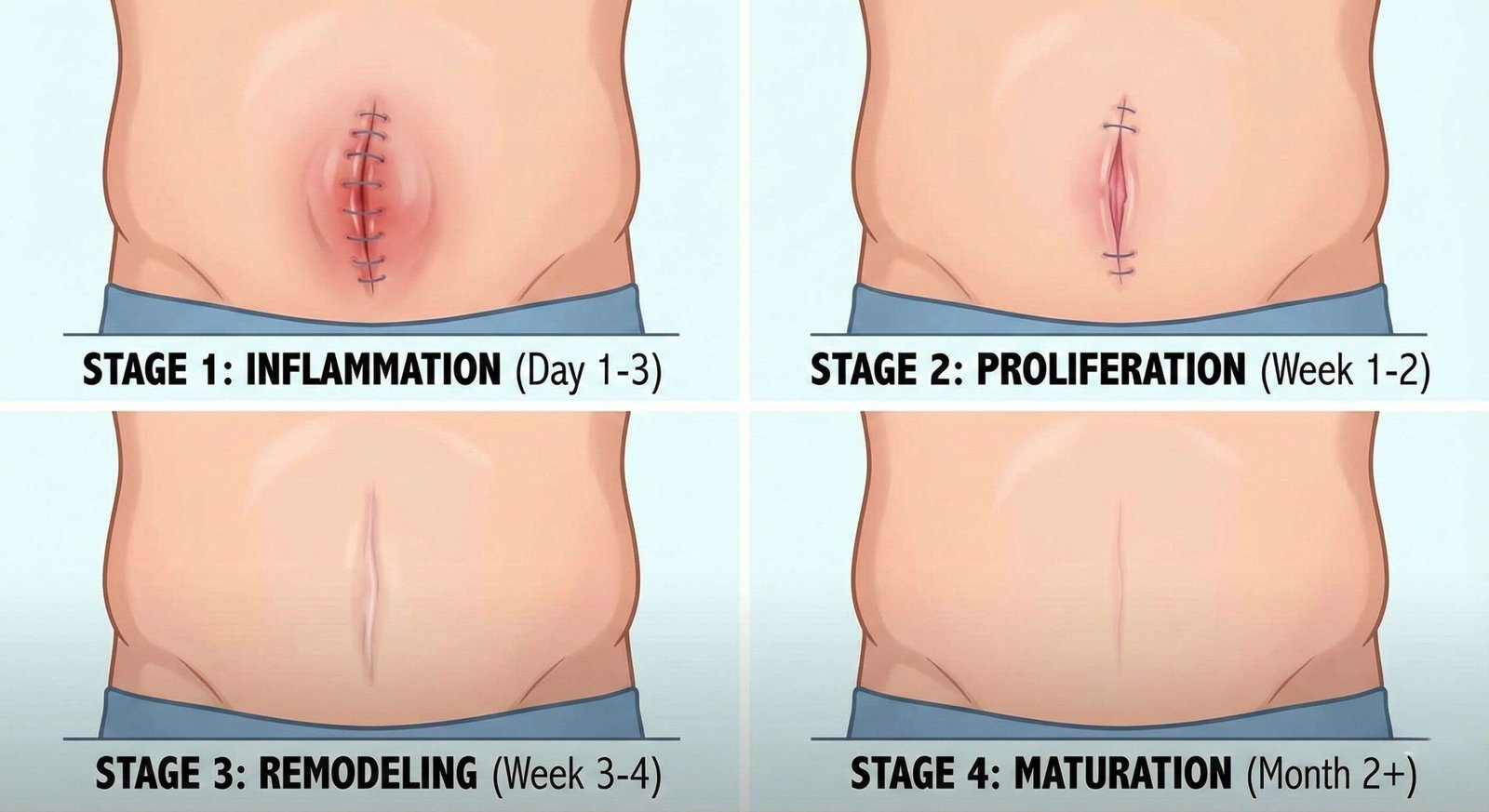
- Immediately After: Bandaged, with some bruising and swelling. Closed with stitches, staples, or glue.
- First Few Weeks: Bruising fades, swelling decreases. The incision line may look red and raised.
- Months Later: The incision becomes a scar, fading from pink/red to a lighter color over time.
Long-Term Scar Care
Once the wound is fully closed and dry, you can improve the scar's appearance by keeping it moisturized, using silicone sheets or gels, and protecting it from the sun.
Financial and Follow-Up Considerations
Always attend your scheduled follow-up appointments. Contact your surgeon immediately if you experience fever over 101°F, increasing redness/swelling, foul-smelling drainage, or severe pain.
Need a Post-Op Checkup?
Ensure your recovery is on the right track. Schedule a follow-up with our surgical team today.
Book Follow-Up