
Inguinal Hernia Laparoscopic Surgery Cost: Complete Guide to Procedure, Recovery & Pricing in 2025
Living with a hernia doesn't have to mean prolonged pain or extensive recovery. Modern laparoscopic hernia surgery offers a minimally invasive solution that combines effectiveness with comfort. Whether you're researching inguinal hernia laparoscopic surgery cost or comparing laparoscopic vs open surgery hernia options, this comprehensive guide provides everything you need to make an informed decision about your treatment.
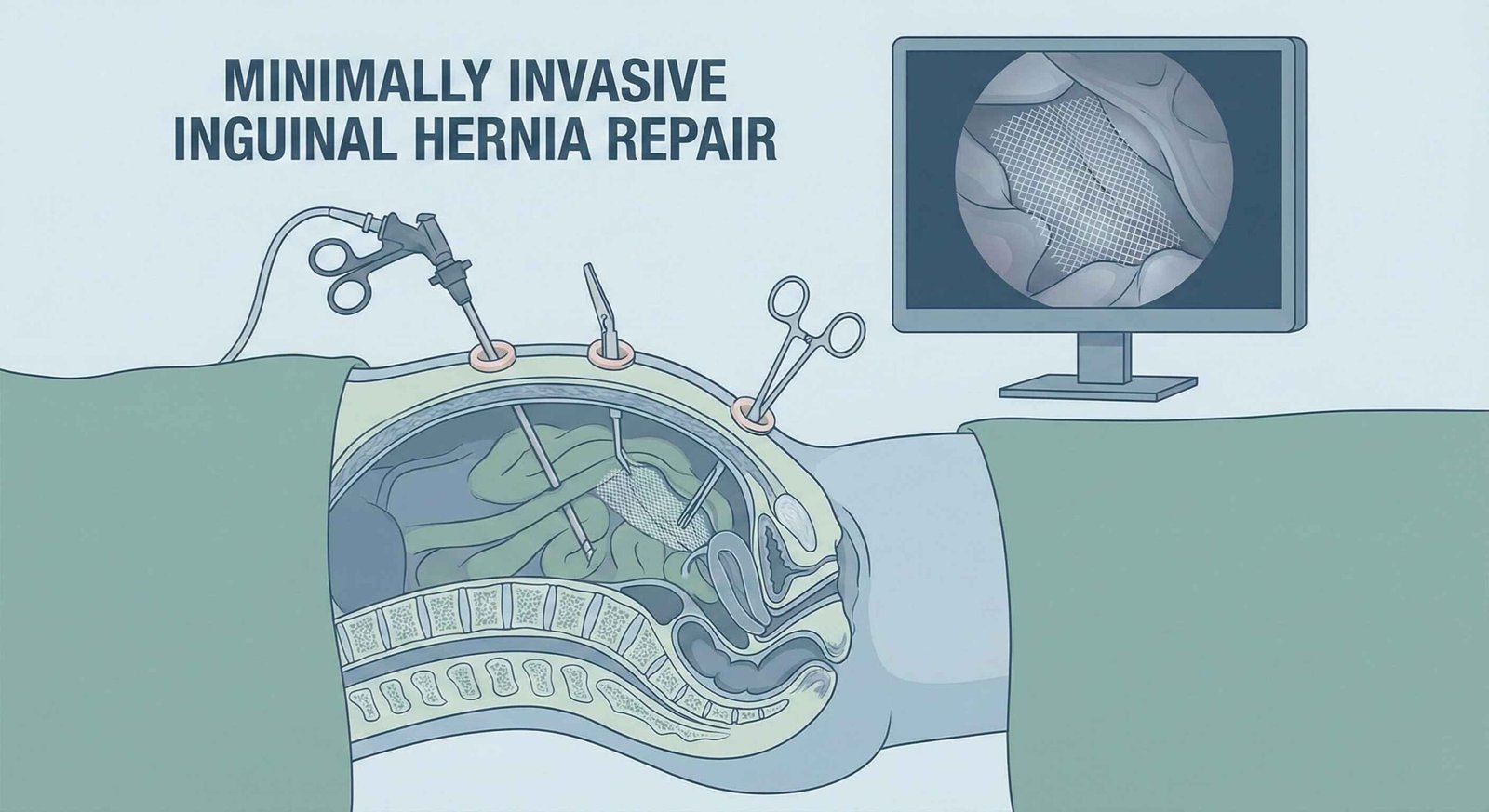
Advanced laparoscopic technology enables precise hernia repair through tiny incisions
A hernia occurs when an internal organ or tissue pushes through a weak spot in your abdominal wall, causing discomfort and potential complications if left untreated. Thanks to surgical advancements, patients now have access to safer, more efficient treatment options. This guide will help you understand the hernia laparoscopy cost in India, explore different surgical techniques including TAPP vs TEP hernia repair, and provide insights into what recovery truly entails.
Ready to Explore Your Treatment Options?
Our experienced surgical team specializes in minimally invasive hernia repair with proven outcomes
Book Your Consultation TodayUnderstanding Laparoscopic Hernia Repair: The Keyhole Surgery Revolution
What Makes Minimally Invasive Hernia Surgery Different?
Laparoscopic hernia repair, commonly known as "keyhole surgery," represents a significant advancement in surgical care. Unlike traditional open surgery that requires a large incision, this minimally invasive approach uses several tiny cuts—typically just 0.5 to 1.5 centimeters each. The difference in technique translates directly to patient benefits: reduced pain, minimal scarring, and faster return to daily activities.
The procedure works through precise coordination of advanced surgical instruments:
- Multiple Small Incisions: Usually three to four tiny cuts strategically placed on the abdomen for optimal access
- Laparoscopic Camera System: A high-definition camera provides magnified internal views, enabling surgeons to work with exceptional precision
- Specialized Surgical Instruments: Slender tools designed specifically for minimally invasive procedures allow delicate tissue manipulation
- Enhanced Recovery Profile: Patients typically experience significantly less post-operative discomfort and can resume normal activities weeks earlier than with open surgery
This modern approach is supported by extensive research and endorsed by leading surgical organizations worldwide. The safety profile and effectiveness of laparoscopic hernia repair have been validated through numerous clinical studies, making it the preferred choice for eligible patients.
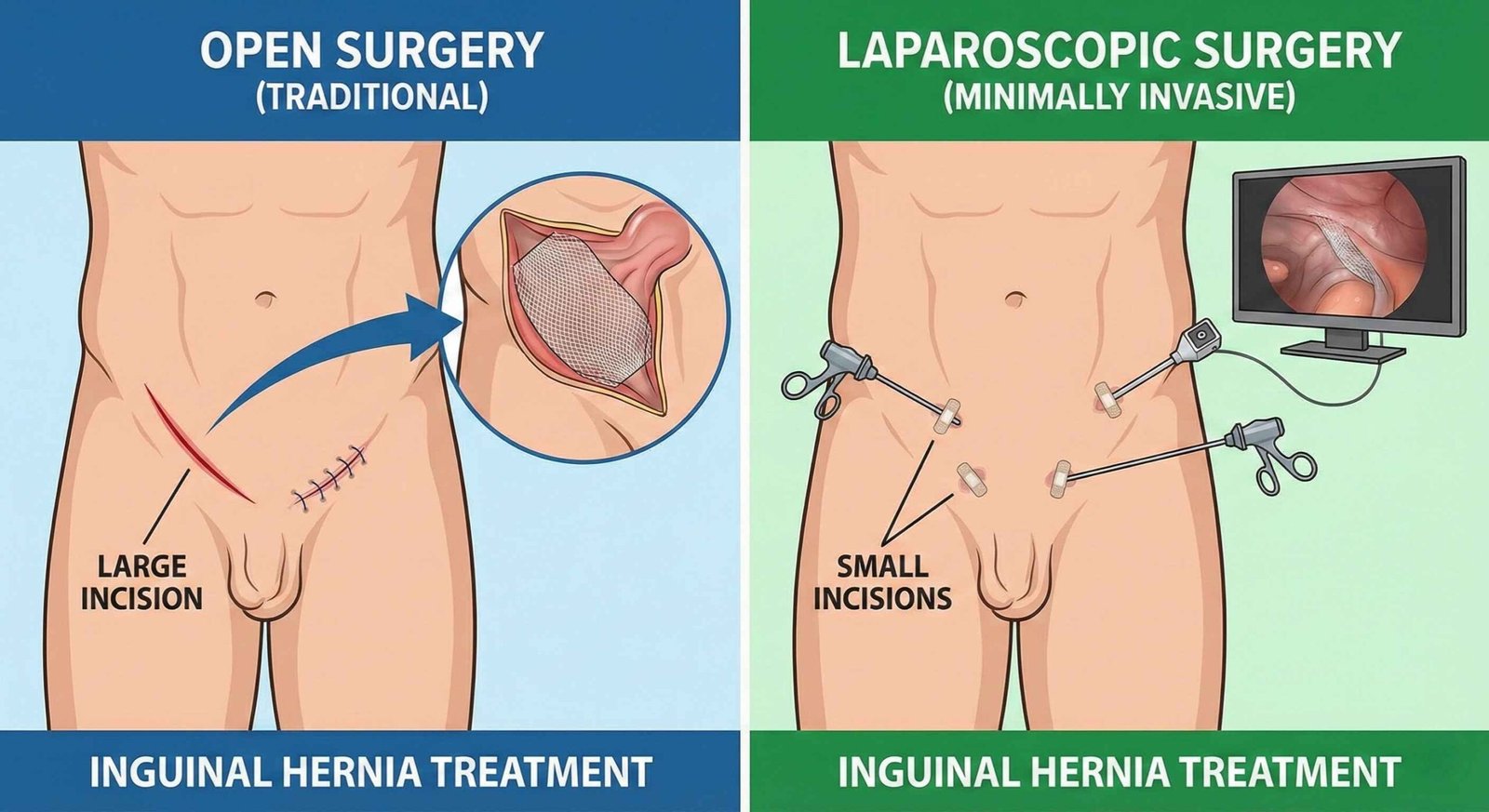
Comparison: Laparoscopic surgery uses multiple small incisions versus one large cut in open surgery
TAPP vs TEP Hernia Repair: Understanding Your Surgical Options
When discussing inguinal hernia laparoscopic surgery cost and techniques, you'll encounter two primary approaches: TAPP (Transabdominal Preperitoneal) and TEP (Totally Extraperitoneal) repair. Understanding these surgical options for inguinal hernias helps you have informed discussions with your surgeon.
Transabdominal Preperitoneal (TAPP) Repair:
In TAPP procedures, surgeons enter the abdominal cavity to access the hernia site. They create an opening in the peritoneum—the protective membrane lining your abdominal cavity—to reach the space where the hernia developed. After repairing the defect and positioning the reinforcing mesh, the peritoneum is carefully closed to separate the mesh from internal organs. This technique offers excellent visualization and is particularly useful for complex or bilateral hernias.
Totally Extraperitoneal (TEP) Repair:
TEP represents a more advanced technique where surgeons work entirely outside the abdominal cavity. By creating a working space between the abdominal muscles and peritoneum, this approach avoids entering the abdominal cavity altogether. The primary advantage lies in reduced risk of internal organ injury and potentially faster recovery, though it requires greater surgical expertise and experience.
Key Insight: Both TAPP and TEP techniques deliver excellent long-term outcomes. Your surgeon will recommend the most appropriate approach based on your hernia characteristics, previous surgical history, and individual anatomy.
The Critical Role of Surgical Mesh in Hernia Repair
Modern laparoscopic hernia surgery almost universally incorporates surgical mesh—a critical component that significantly reduces recurrence rates. This biocompatible material acts as reinforcement for the weakened abdominal wall, providing structural support that natural tissue alone cannot reliably offer.
The mesh is carefully selected based on your specific needs and positioned over the hernia defect during surgery. Surgeons secure it using surgical tacks, sutures, or specialized tissue glue. Over subsequent weeks and months, your body's natural healing process incorporates the mesh, with tissues growing through and around it to create a strong, permanent repair. This integration is fundamental to preventing hernia recurrence and ensuring long-term success.
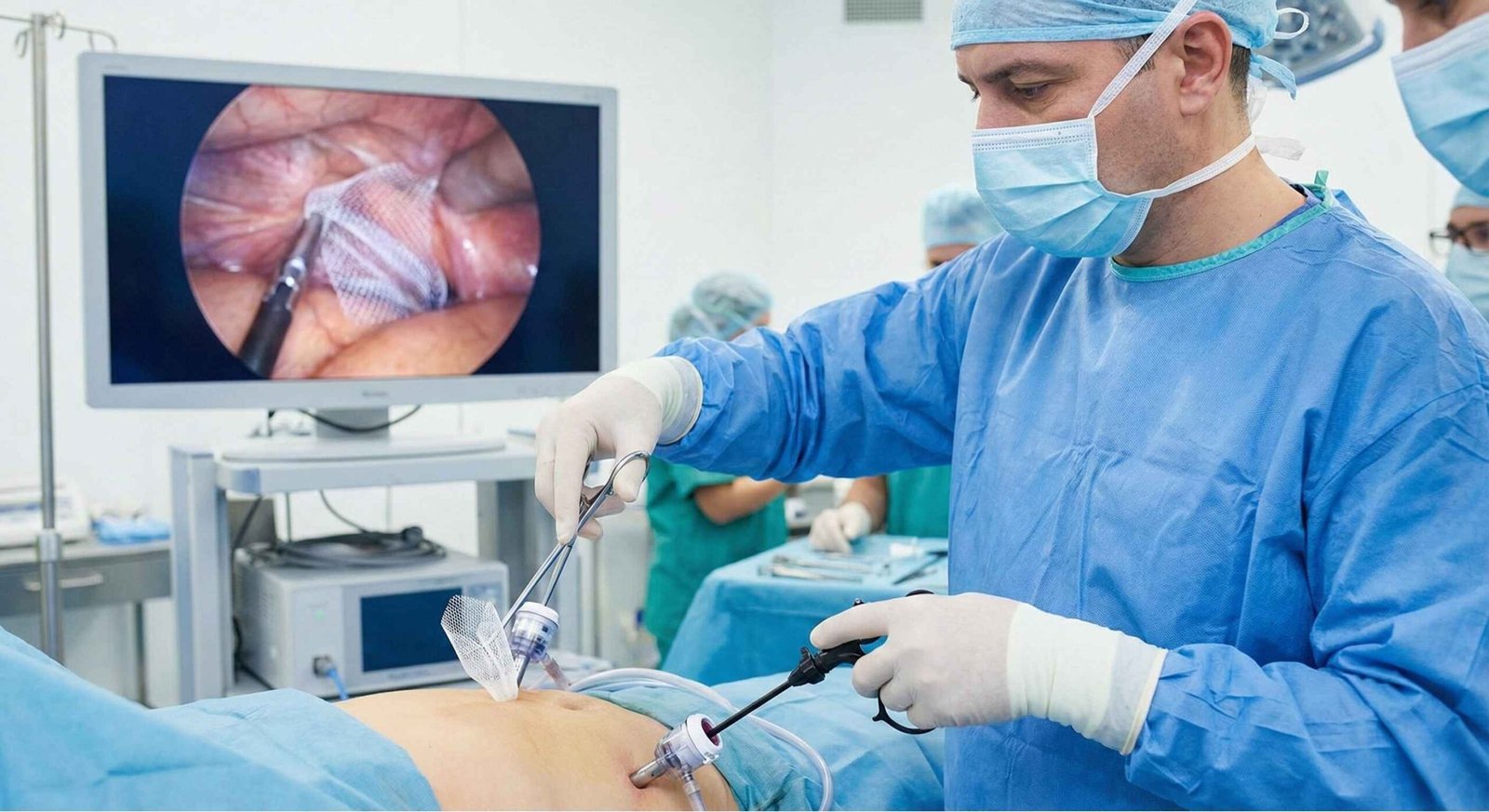
Experienced surgeons use state-of-the-art laparoscopic equipment for precise hernia repair
Laparoscopic vs Open Surgery Hernia: Making an Informed Decision
Choosing between laparoscopic and open hernia repair is one of the most important decisions you'll make regarding your treatment. While laparoscopic surgery offers numerous advantages, understanding when each approach is most appropriate ensures optimal outcomes.
Comprehensive Comparison: Pain, Scarring, and Recovery Timeline
The differences between laparoscopic vs open surgery hernia approaches extend beyond the operating room, significantly impacting your recovery experience and return to normal life:
| Feature | Laparoscopic (Keyhole) Surgery | Open Surgery |
|---|---|---|
| Incision Size | Multiple small incisions (0.5-1.5 cm each) | Single larger incision (5-10 cm or more) |
| Post-Operative Pain | Generally mild to moderate, well-controlled with standard pain medication | Often more significant, may require stronger pain management |
| Scarring | Multiple tiny scars, barely visible after healing | One prominent scar that may remain noticeable |
| Hospital Stay | Same-day discharge or overnight observation | Typically 1-2 nights hospitalization |
| Return to Work | 1-2 weeks for desk jobs, 2-3 weeks for light physical work | 2-4 weeks for desk jobs, 4-6 weeks for light physical work |
| Full Recovery & Heavy Lifting | 4-6 weeks for complete recovery and unrestricted activity | 6-12 weeks for complete recovery and unrestricted activity |
| Chronic Pain Risk | Lower incidence of long-term discomfort | Slightly higher risk of chronic post-operative pain |
These recovery timelines for open vs laparoscopic surgery demonstrate why many patients and healthcare providers prefer the minimally invasive approach when medically appropriate. The reduced tissue trauma and smaller incisions directly translate to faster healing and improved quality of life during recovery.
When Is Open Surgery the Better Choice?
Despite the many advantages of laparoscopic surgery, certain situations may make open repair more appropriate or necessary. Your surgeon will conduct a thorough evaluation to determine the safest, most effective approach for your specific case.
Scenarios Where Open Surgery May Be Recommended:
- Very Large or Complex Hernias: Massive hernias with extensive tissue protrusion may be technically challenging to repair laparoscopically and could benefit from the direct access open surgery provides
- Extensive Previous Abdominal Surgery: Multiple prior operations can create significant scar tissue (adhesions) that make laparoscopic navigation difficult and potentially increase surgical risks
- Medical Contraindications to General Anesthesia: Laparoscopic surgery requires general anesthesia and abdominal insufflation with carbon dioxide gas. Patients with severe heart or lung disease may not tolerate these requirements safely
- Emergency Situations: Strangulated hernias (where blood supply is compromised) or incarcerated hernias (trapped and non-reducible) often require immediate open surgery for rapid intervention and tissue assessment
- Patient Preference: Some patients may prefer open surgery after discussing all options with their surgeon, particularly if they've had positive experiences with previous open procedures
Important: Your surgeon's expertise with both techniques is crucial. An experienced hernia specialist can objectively recommend the approach that offers you the best possible outcome based on current medical evidence and your individual circumstances.
Uncertain Which Surgical Approach Is Right for You?
Schedule a personalized consultation with our hernia specialists to discuss your specific case and receive expert recommendations
Get Your Personalized Treatment PlanInguinal Hernia Laparoscopic Surgery Cost: Complete Pricing Breakdown
Understanding the inguinal hernia laparoscopic surgery cost is essential for planning your treatment. Healthcare expenses vary significantly based on multiple factors, and transparency about pricing helps you make informed financial decisions.
What Determines Your Total Surgery Cost?
The overall inguinal hernia laparoscopic surgery cost comprises several distinct components, each contributing to your final bill:
1. Surgeon's Professional Fees
This typically represents the largest single expense and reflects the surgeon's expertise, experience, and reputation. Board-certified surgeons with specialized training in minimally invasive techniques may command higher fees, but their expertise often correlates with better outcomes and lower complication rates.
2. Hospital or Facility Charges
These costs cover operating room time, surgical equipment, recovery room use, nursing care, and general hospital infrastructure. Premium hospitals with state-of-the-art facilities and higher nurse-to-patient ratios may charge more but often provide enhanced safety and comfort.
3. Anesthesia Fees
Includes the anesthesiologist's professional fees and the medications used during your procedure. The complexity and duration of surgery influence anesthesia costs.
4. Surgical Supplies and Implants
The cost of high-quality surgical mesh, trocars, and fixation devices (tacks or sutures) contributes to the overall expense. Premium mesh materials with proven long-term safety records may increase costs but can reduce recurrence risk.
5. Pre-Operative and Post-Operative Care
Initial consultations, diagnostic imaging (ultrasound or CT scans), laboratory tests, medications, and follow-up visits all factor into the total treatment cost.
Requesting a detailed, itemized cost estimate from your healthcare provider allows you to understand exactly what you're paying for and helps identify potential areas for insurance coverage or financial assistance.
Hernia Laparoscopy Cost India: Affordable Excellence
For patients considering medical tourism or comparing international healthcare options, understanding hernia laparoscopy cost India versus global pricing provides valuable perspective:
In India:
The inguinal hernia laparoscopic surgery cost typically ranges from ₹60,000 to ₹1,50,000 (approximately $720-$1,800 USD), depending on several factors:
- City and location (metropolitan areas may cost more)
- Hospital tier (multi-specialty centers vs. specialized surgical institutes)
- Surgeon's qualifications and experience
- Type of mesh used (imported vs. domestic)
- Room category chosen (general ward vs. private room)
United States:
The same procedure typically costs $5,000-$10,000 USD or more without insurance, with significant regional variation. Even with insurance, out-of-pocket expenses can be substantial due to deductibles and co-payments.
United Kingdom:
Private hospital costs range from £2,500-£5,000 (approximately $3,150-$6,300 USD), while NHS patients face long waiting times but minimal direct costs.
Other Asian Markets:
Countries like Thailand and Malaysia offer competitive pricing ($2,000-$4,000 USD) with strong medical tourism infrastructure.
These figures highlight why India has emerged as a premier destination for medical tourism, offering world-class healthcare at a fraction of Western costs. Many Indian hospitals are internationally accredited (JCI, NABH) and staffed by surgeons trained at leading global institutions.

Transparent cost discussions help patients make informed healthcare decisions
Navigating Insurance Coverage and Cashless Treatment Options
Most comprehensive health insurance policies recognize laparoscopic hernia repair as medically necessary rather than elective, meaning the inguinal hernia laparoscopic surgery cost is typically covered under your plan.
Maximizing Your Insurance Benefits:
- Verify Coverage Details: Contact your insurance provider before scheduling surgery to confirm coverage percentages, deductibles, co-payments, and any pre-authorization requirements
- In-Network vs. Out-of-Network: Using in-network hospitals and surgeons significantly reduces your out-of-pocket expenses. Verify which facilities are in your network
- Cashless Treatment Facilities: Many hospitals have direct billing arrangements with major insurance companies. Under cashless treatment, the hospital directly settles approved expenses with your insurer, minimizing upfront payments
- Pre-Authorization Process: Submit all required documentation to your insurance company at least 2-3 weeks before your planned surgery date to ensure smooth approval
- Understanding Exclusions: Review your policy for any exclusions related to pre-existing conditions, waiting periods, or specific treatment limitations
Financial Planning Tip: If you don't have insurance or face significant out-of-pocket costs, many hospitals offer payment plans or medical financing options. Don't hesitate to discuss financial concerns with the hospital's billing department—they often have resources to help.
Need Help Understanding Treatment Costs?
Our patient care coordinators can provide detailed cost estimates and assist with insurance verification
Request Your Cost EstimateThe Laparoscopic Hernia Surgery Procedure: Step-by-Step Journey
Understanding what happens during your surgery can significantly reduce anxiety and help you feel more prepared. While watching a hernia surgery video or hernia operation video male can provide visual context, this detailed walkthrough explains each critical phase.
Pre-Operative Preparation: Setting Up for Success
Proper preparation begins days before your surgery and directly impacts outcomes:
Days Before Surgery:
- Medical Clearance: Complete all pre-operative tests including blood work, EKG, and chest X-ray if required
- Medication Review: Your surgeon will provide specific instructions about which medications to continue or temporarily discontinue, particularly blood thinners, aspirin, and anti-inflammatory drugs
- Fasting Requirements: Typically, you'll need to stop eating solid foods 8 hours before surgery and clear liquids 2-4 hours before. Following these instructions precisely prevents anesthesia complications
- Hygiene Protocol: You may be asked to shower with special antibacterial soap the night before and morning of surgery to reduce infection risk
Day of Surgery:
- Arrive at the hospital at the scheduled time (usually 1-2 hours before surgery)
- Complete admission paperwork and consent forms
- Change into surgical gown and have vital signs checked
- Meet with the anesthesiologist to review your medical history and anesthesia plan
- An IV line will be started for medications and fluids
- The surgical site will be marked and prepared
The Operative Procedure: Inside the Operating Room
While a hernia surgery video provides visual documentation, here's what actually happens during your laparoscopic hernia repair:
Step 1: Anesthesia Administration
General anesthesia is administered through your IV line, and you'll quickly fall into a deep, pain-free sleep. The anesthesiologist continuously monitors your heart rate, blood pressure, oxygen levels, and breathing throughout the procedure. A breathing tube may be inserted to support your airway during surgery.
Step 2: Creating the Working Space (Insufflation)
The surgeon makes a small incision, typically near your navel, and carefully inserts a special needle. Carbon dioxide gas is gently pumped into your abdominal cavity, creating a pneumoperitoneum—a space between your abdominal wall and internal organs. This inflation provides the surgeon with room to work and clear visibility of internal structures.
Step 3: Inserting Surgical Instruments (Trocar Placement)
Three to four small trocar ports (hollow tubes) are inserted through tiny incisions strategically positioned on your abdomen. One port accommodates the laparoscope—a slender camera that transmits high-definition images to monitors in the operating room. The other ports allow insertion of specialized surgical instruments.
Step 4: Hernia Reduction
Using the magnified view provided by the camera, the surgeon carefully identifies the hernia sac and its contents. Any protruding tissue or organ is gently manipulated back into its proper anatomical position within the abdominal cavity. This step requires precision to avoid injuring the hernia contents or surrounding structures.
Step 5: Mesh Placement and Fixation
A specifically sized surgical mesh is rolled or folded and inserted through one of the trocar ports. Once inside, it's carefully unfolded and positioned to completely cover the hernia defect with adequate overlap (usually 3-4 cm beyond the defect edges). The mesh is then secured using surgical tacks, sutures, or fibrin glue to prevent migration. For TAPP procedures, the peritoneum is closed over the mesh; for TEP procedures, the preperitoneal space naturally holds the mesh in place.
Step 6: Final Inspection and Closure
The surgeon performs a thorough inspection to ensure proper mesh positioning, adequate coverage, and hemostasis (control of bleeding). The carbon dioxide gas is released from your abdomen, and the trocars are removed. The small incisions are closed with a few absorbable sutures or surgical skin glue. A sterile dressing is applied.
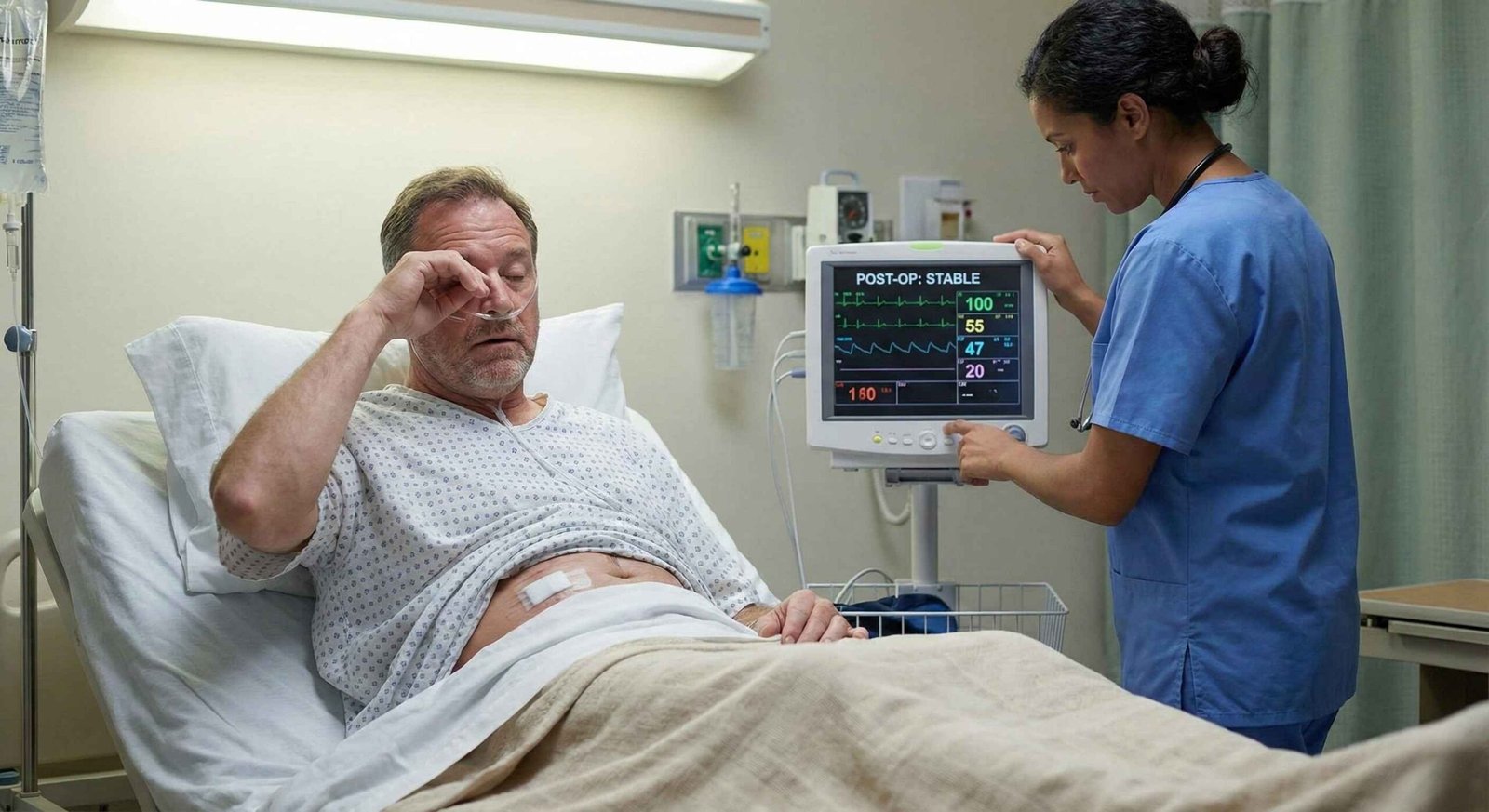
Comfortable recovery begins immediately after your minimally invasive procedure
Waking Up: The Recovery Room Experience
After your surgery is complete, you're transferred to the post-anesthesia care unit (PACU) or recovery room. Here's what to expect:
- You'll gradually wake up over 15-30 minutes as anesthesia wears off
- Nurses will closely monitor your vital signs, pain level, and any nausea
- You may feel groggy, disoriented, or experience mild nausea—all normal effects of anesthesia
- Pain medication will be provided to keep you comfortable
- Once fully awake and stable (typically 1-2 hours), you'll be moved to a regular room or prepared for discharge if going home the same day
Recovery and Post-Operative Care: Your Path to Healing
The success of your laparoscopic hernia surgery extends well beyond the operating room. Following proper post-operative guidelines ensures optimal healing, minimizes complications, and helps you return to your normal life as quickly as possible.
The First 24-48 Hours: Immediate Post-Surgery Care
The initial days after surgery are critical for establishing good healing patterns:
Diet and Hydration:
- Start with clear liquids (water, clear broth, apple juice) once fully awake
- Progress to soft, easily digestible foods (yogurt, soup, mashed potatoes) as tolerated
- Gradually return to your regular diet over 24-48 hours unless instructed otherwise
- Stay well-hydrated—aim for 8-10 glasses of water daily to support healing
- Avoid heavy, greasy, or spicy foods initially as they may cause nausea
Pain Management:
- Take prescribed pain medications as directed—staying ahead of pain is easier than catching up
- Over-the-counter acetaminophen or ibuprofen may be sufficient for many patients after the first few days
- Pain typically peaks around day 2-3, then steadily improves
- Some shoulder discomfort from residual carbon dioxide gas is normal and resolves within 24-48 hours
Mobility and Activity:
- Walk Early and Often: Take short walks every 2-3 hours while awake. This is the single most important activity for preventing complications
- Walking prevents blood clots, reduces gas pain, stimulates bowel function, and promotes overall healing
- Start with just 5-10 minutes and gradually increase duration as comfort allows
- Avoid prolonged bed rest—it increases complication risk
Incision Care:
- Keep dressings clean and dry for the first 48 hours
- You can usually shower after 24-48 hours (confirm with your surgeon)
- Gently pat incisions dry—no rubbing or scrubbing
- Avoid submerging incisions in baths, pools, or hot tubs for 2-3 weeks
- Watch for signs of infection: increasing redness, warmth, swelling, drainage, or fever
Weeks 1-6: Gradual Return to Normal Activities
Your recovery timeline depends on individual factors, but these general guidelines apply to most laparoscopic hernia repair patients:
Week 1:
- Most patients can return to light desk work within 7-10 days
- Continue short, frequent walks to maintain circulation
- Avoid lifting anything heavier than 10-15 pounds (about a gallon of milk)
- No pushing, pulling, or straining activities
- Most pain should be manageable with over-the-counter medications by end of week
Weeks 2-4:
- Gradually increase walking distance and light activities
- You may begin light exercise like easy walking or stationary cycling
- Continue avoiding heavy lifting, strenuous exercise, and abdominal straining
- Driving can typically resume once you're off narcotic pain medication and can comfortably perform an emergency stop (usually 5-7 days)
Weeks 4-6:
- Most patients can return to unrestricted normal activities by 4-6 weeks
- Heavy lifting restrictions are gradually lifted (discuss specific limits with your surgeon)
- Resume exercise programs, sports, and manual labor as cleared by your surgeon
- The mesh is now well-integrated into your tissue, providing strong reinforcement
Individual Variation: These are general guidelines. Your specific recovery may be faster or slower depending on your age, overall health, type of hernia, and whether it was unilateral or bilateral. Always follow your surgeon's personalized instructions.
Warning Signs: When to Contact Your Doctor Immediately
While complications after laparoscopic hernia repair are uncommon, recognizing warning signs ensures prompt treatment if issues arise:
Contact your surgeon immediately if you experience:
- Fever: Temperature above 101°F (38.3°C) or persistent low-grade fever
- Infection Signs: Increasing redness, warmth, swelling, or pus discharge from incision sites
- Severe Pain: Pain that worsens rather than improves, or isn't controlled by prescribed medication
- Urinary Problems: Difficulty urinating, inability to urinate, or burning sensation
- Gastrointestinal Issues: Persistent nausea, vomiting, inability to keep fluids down, or severe constipation
- Respiratory Symptoms: Sudden shortness of breath, chest pain, or difficulty breathing
- Leg Swelling: New swelling, pain, or redness in your calves (potential sign of blood clot)
- Hernia Recurrence: New bulge at or near the surgical site
Most of these complications are rare, but early recognition and treatment significantly improve outcomes. Don't hesitate to call your surgeon's office with concerns—they prefer to address potential issues early.

Regular gentle walking accelerates recovery after minimally invasive hernia repair
Expert Surgical Care Leads to Better Outcomes
Our dedicated team provides comprehensive support from initial consultation through complete recovery
Schedule Your Pre-Surgical ConsultationFrequently Asked Questions About Laparoscopic Hernia Surgery
Is laparoscopic surgery safe for all types of hernias?
Laparoscopic repair is highly effective and safe for most common hernia types, including inguinal hernias (groin), umbilical hernias (belly button), femoral hernias, and some ventral hernias. However, very large hernias, complex recurrent hernias, or certain patient health conditions may make open surgery more appropriate. Your surgeon will assess your specific case—including hernia size, location, medical history, and previous surgeries—to recommend the safest, most effective approach. Patients with severe heart or lung disease, extensive previous abdominal surgery, or emergency situations like strangulated hernias may benefit more from open repair.
How long does laparoscopic hernia surgery actually take?
The duration of inguinal hernia laparoscopic surgery varies based on several factors. A straightforward unilateral (single-side) inguinal hernia repair typically takes 45-90 minutes from incision to closure. Bilateral (both-side) repairs naturally require more time, usually 90-120 minutes. Complex hernias, recurrent hernias, or those with significant scarring from previous surgeries may take longer. These times refer to the actual surgical procedure and don't include pre-operative preparation (30-60 minutes) or post-anesthesia recovery (1-2 hours). Most patients arrive at the hospital 1-2 hours before surgery and leave 2-4 hours after the procedure ends, assuming same-day discharge is planned.
Is the surgical mesh used in laparoscopy safe? What about mesh complications?
Modern surgical mesh used in laparoscopic hernia repair is generally very safe and significantly reduces hernia recurrence rates compared to repair without mesh. Contemporary meshes are made from biocompatible synthetic materials (typically polypropylene or polyester) specifically designed to integrate with your body's tissues. Extensive research and millions of successful procedures worldwide support the safety of modern hernia mesh. The mesh becomes incorporated into your abdominal wall as your tissues grow through and around it, creating a strong, permanent repair.
That said, like any medical implant, mesh carries potential risks, though serious complications are rare (occurring in less than 5% of cases). Possible issues include infection, chronic pain, mesh migration, or in very rare cases, mesh rejection. However, the benefits of mesh use—dramatically lower recurrence rates (1-3% with mesh vs 10-15% without)—typically far outweigh these risks for most patients.
If you have specific concerns about mesh, discuss them thoroughly with your surgeon. They can explain the specific type of mesh they recommend for your case, alternative options, and what warning signs to watch for after surgery.
What is the success rate of laparoscopic hernia repair?
Laparoscopic hernia repair has excellent success rates. Long-term studies show recurrence rates of just 1-3% when performed by experienced surgeons using modern mesh materials and proper technique. This compares very favorably to open repair (2-4% recurrence) and dramatically better than non-mesh repairs (10-15% recurrence). Patient satisfaction rates are consistently high, with most patients reporting significant improvement in quality of life and minimal long-term complications. Success rates are highest when patients follow post-operative instructions carefully, particularly regarding activity restrictions during the critical 6-week healing period.
Can I watch a hernia surgery video to understand the procedure better?
Many patients find that watching a hernia surgery video or hernia operation video male helps reduce anxiety by demystifying the procedure. Numerous educational videos are available online from reputable medical institutions and surgical societies. However, keep in mind that surgical videos can be graphic and may not be suitable for all viewers. If you're interested, ask your surgeon if they have educational materials or can recommend appropriate videos. Remember that every surgery is unique—what you see in a video may not exactly match your specific procedure. Your pre-operative consultation is the best time to ask detailed questions and see surgical diagrams customized to your case.
Does insurance cover the inguinal hernia laparoscopic surgery cost?
Most comprehensive health insurance plans cover laparoscopic hernia repair as it's considered medically necessary rather than elective or cosmetic surgery. Coverage typically includes surgeon fees, hospital charges, anesthesia, and follow-up care. However, specific coverage details—including deductibles, co-payments, and percentage covered—vary significantly between insurance providers and individual plans. Before scheduling surgery, contact your insurance company to verify coverage, understand your out-of-pocket costs, and determine if pre-authorization is required. Using in-network hospitals and surgeons typically results in significantly lower costs. If you don't have insurance or have high deductibles, many hospitals offer payment plans or financial assistance programs.
What's the difference between TAPP and TEP hernia repair techniques?
Both TAPP vs TEP hernia repair are laparoscopic techniques for inguinal hernias, but they differ in approach. TAPP (Transabdominal Preperitoneal) enters the abdominal cavity, creates an opening in the peritoneum (abdominal lining), repairs the hernia from within, and closes the peritoneum over the mesh. TEP (Totally Extraperitoneal) works entirely outside the abdominal cavity, creating a space between the abdominal muscles and peritoneum without ever entering the abdomen itself. TEP potentially offers faster recovery and lower risk of internal organ injury, but is technically more challenging for surgeons. Both techniques have excellent outcomes—your surgeon will recommend the approach best suited to your anatomy, the hernia characteristics, and their expertise.
How much does hernia laparoscopy cost in India compared to other countries?
The hernia laparoscopy cost India is significantly lower than in Western countries while maintaining comparable quality. In India, expect to pay ₹60,000-₹1,50,000 ($720-$1,800 USD) depending on the hospital, city, and surgeon. This contrasts sharply with $5,000-$10,000 USD in the United States, £2,500-£5,000 in the UK, and $2,000-$4,000 in other Asian countries like Thailand or Malaysia. India's cost advantage, combined with internationally accredited hospitals (JCI, NABH) and highly trained surgeons (many educated at top global institutions), makes it an attractive medical tourism destination. When comparing costs, ensure you're comparing similar quality facilities and surgeon qualifications.
Why Choose Our Hospital for Your Laparoscopic Hernia Surgery?
Selecting the right surgical team and facility significantly impacts your treatment experience and outcomes. Here's what sets our hernia surgery program apart:
Expert Surgical Team with Specialized Training
- Board-certified surgeons with specialized fellowship training in minimally invasive and laparoscopic surgery
- Years of experience performing hundreds of successful hernia repairs annually
- Continuous training in the latest surgical techniques and technologies
- Low complication rates and excellent patient outcomes documented through quality metrics
State-of-the-Art Surgical Facilities
- Modern operating rooms equipped with advanced laparoscopic systems and high-definition imaging
- International accreditation ensuring adherence to global safety and quality standards
- Dedicated hernia surgery program with specialized protocols and care pathways
- Comfortable, patient-centered recovery facilities with attentive nursing care
Comprehensive, Personalized Care
- Thorough pre-operative consultations to understand your unique situation and concerns
- Customized surgical planning based on your hernia type, size, and medical history
- Transparent cost estimates and insurance assistance
- Dedicated patient coordinators to guide you through every step of your journey
- Comprehensive post-operative support and follow-up care
Proven Results and Patient Satisfaction
- Consistently low recurrence rates matching or exceeding international benchmarks
- High patient satisfaction scores and positive testimonials
- Quick recovery times enabling faster return to work and normal activities
- Commitment to transparent reporting of outcomes and complications
Take the First Step Toward a Hernia-Free Life
Don't let a hernia limit your activities or cause ongoing discomfort. Our experienced team is ready to provide the expert care you deserve with transparent pricing and compassionate support throughout your treatment journey.
Book Your Consultation NowReady to Schedule Your Hernia Repair?
Our patient care team is standing by to answer your questions, provide detailed cost estimates, and help you schedule a convenient consultation time.
Contact Us Today