
Complete Kidney Stone Diet Chart: Your Guide to Prevention and Management
Living with kidney stones can be painful and challenging, but the good news is that what you eat plays a crucial role in preventing these painful formations. A well-planned kidney stone diet chart can significantly reduce your risk of developing new stones and help manage existing ones.
At Arka Anugraha Hospital in Bangalore, our experts have helped thousands of patients overcome kidney stone challenges through proper nutrition and lifestyle changes. This comprehensive guide will walk you through everything you need to know about the kidney stone diet.
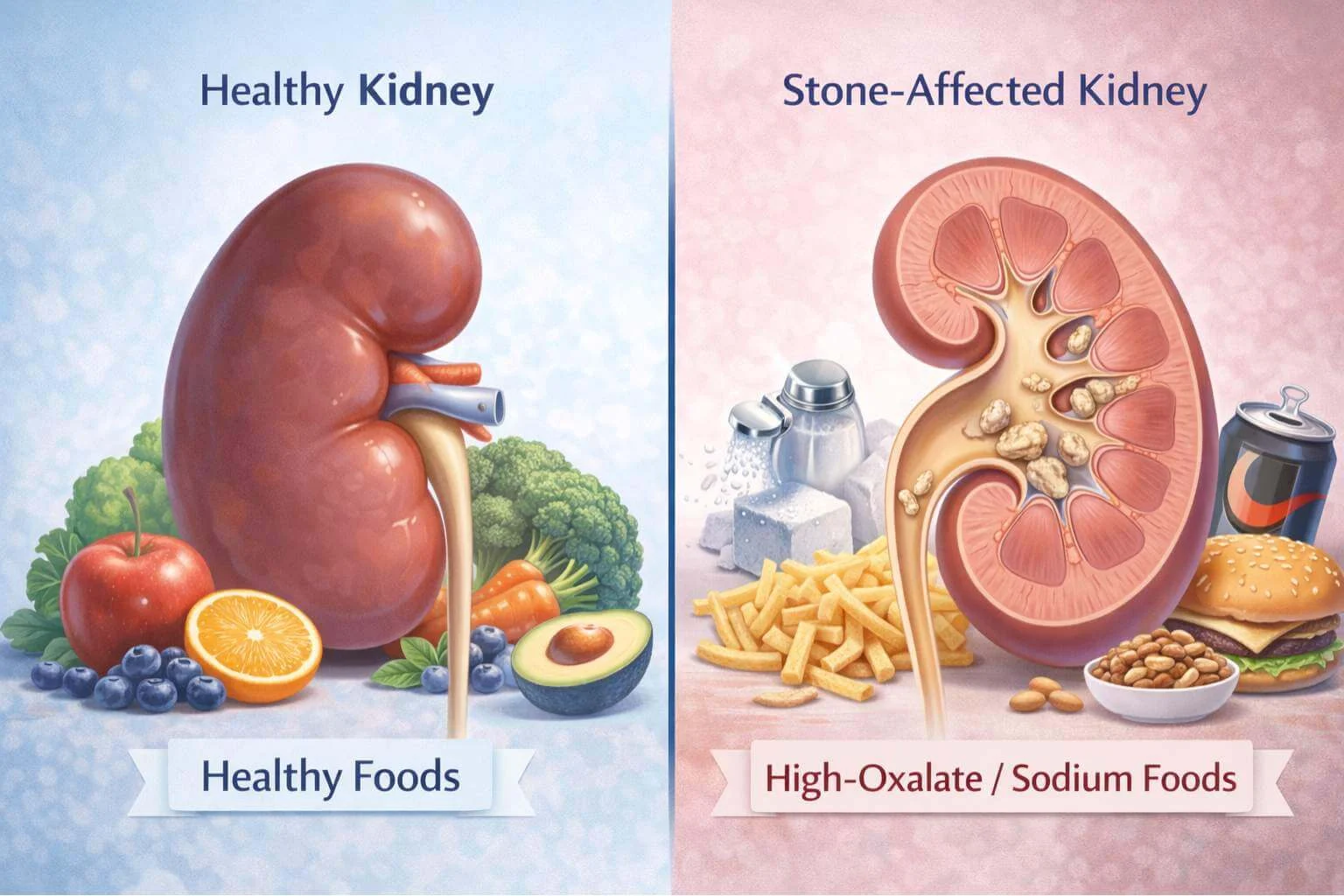
Why Does Diet Matter?
Kidney stones develop when your urine contains more crystal-forming substances (calcium, oxalate, uric acid) than fluid can dilute. Your diet directly influences urine composition.
Calcium Oxalate Stones
Most common (80%). Form when calcium combines with oxalate in urine.
Uric Acid Stones
Form when urine is too acidic. Linked to high animal protein intake.
Struvite Stones
Caused by urinary tract infections (UTIs).
Cystine Stones
Rare, hereditary disorder.
What to Eat: The Kidney Stone Diet
Foods to Include
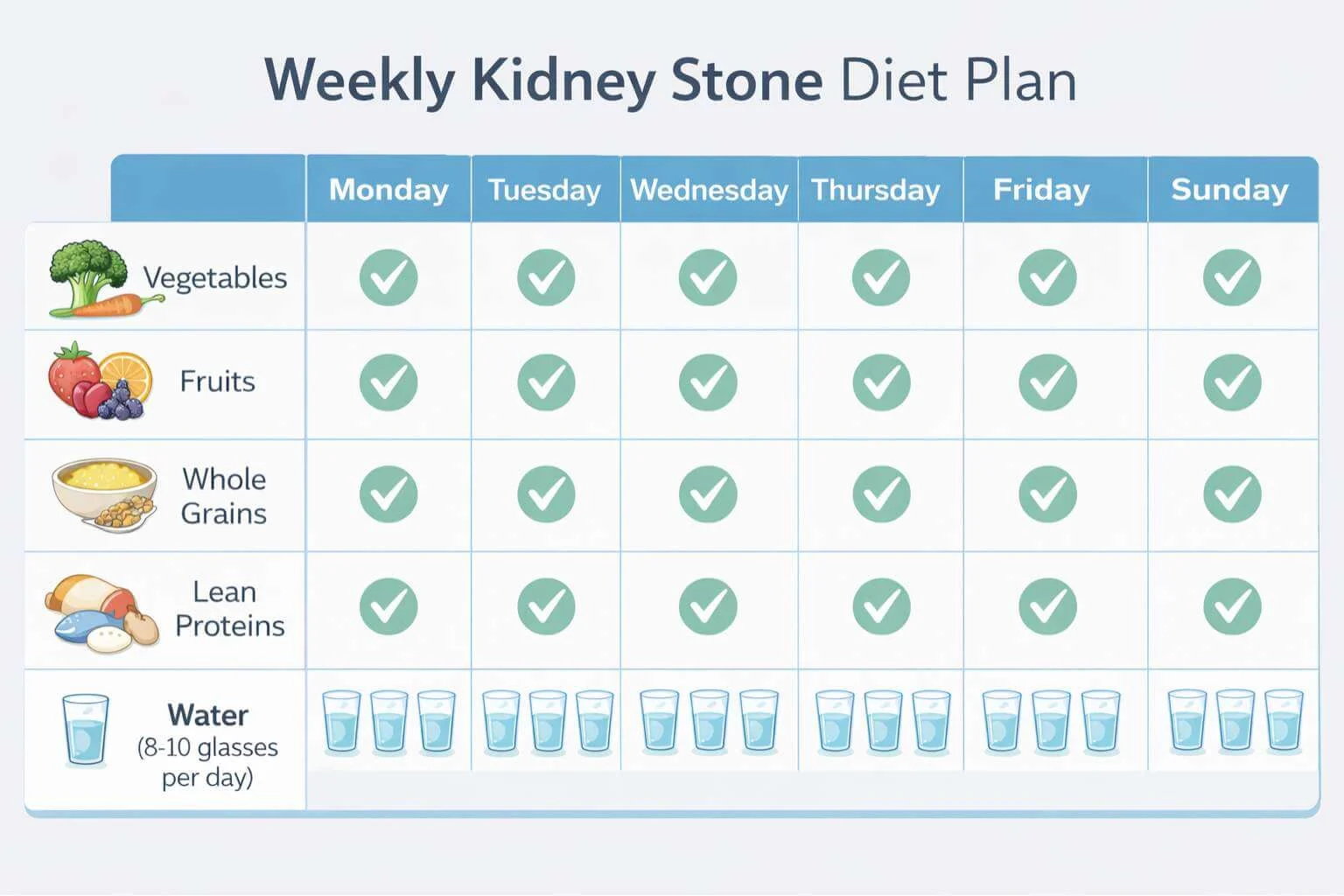
- Water: 8-12 glasses daily. Lemon water helps prevent stones.
- Calcium: Low-fat milk, yogurt, leafy greens (binds oxalate in gut).
- Fruits/Veggies: Cucumber, watermelon, apples, cabbage.
- Grains: Oats, brown rice, whole wheat.
- Low-Oxalate Beans: Black-eyed peas, green beans.
Foods to Limit/Avoid
- High Oxalate: Spinach, beetroot, nuts, chocolate, soy.
- Animal Protein: Red meat, organ meats, shellfish.
- Sodium: Processed meats, canned soups, salty snacks.
- Sugar: High fructose corn syrup, sugary drinks.
- Alcohol/Caffeine: Can lead to dehydration.
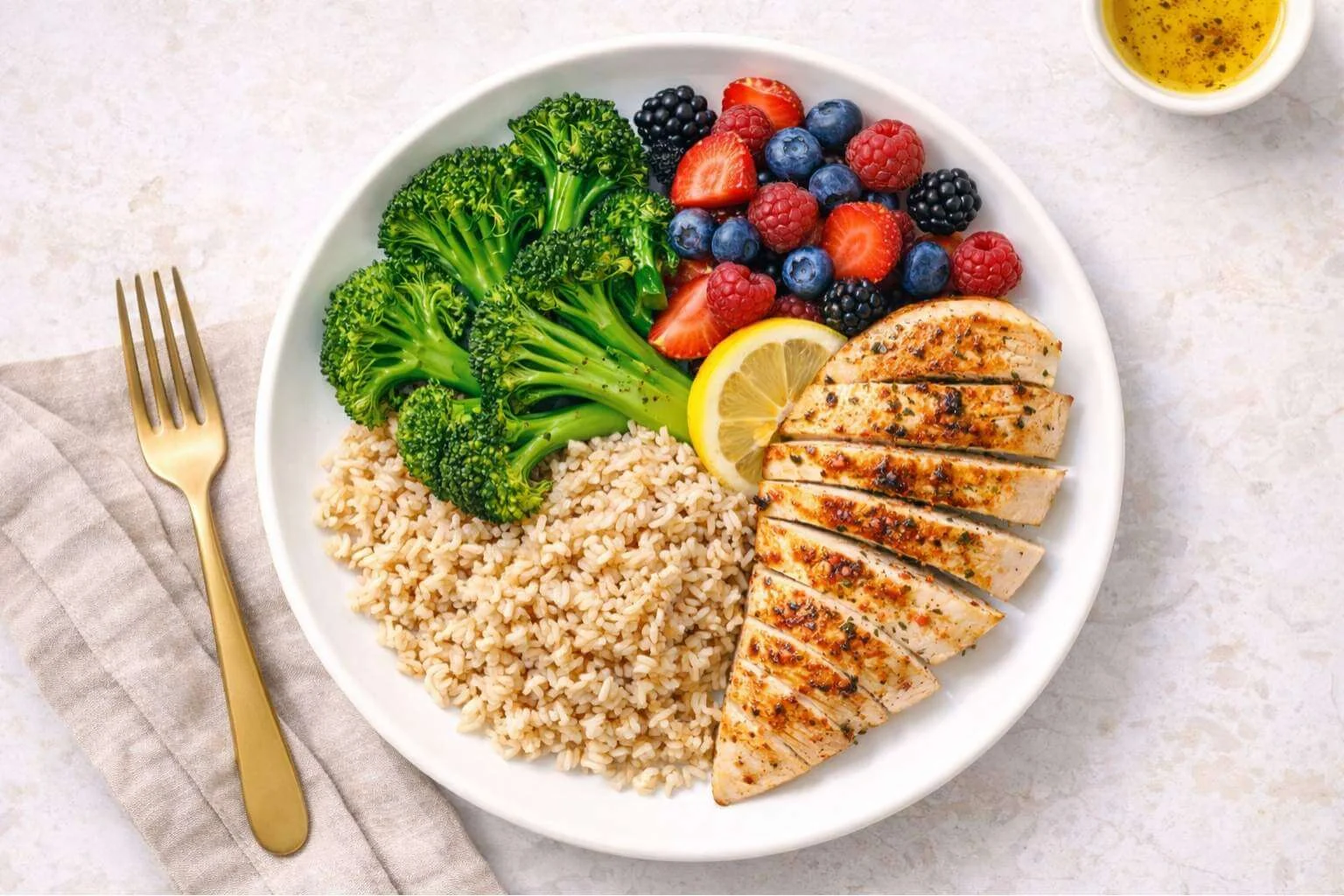
Sample Daily Meal Plan
| Meal | Menu Idea |
|---|---|
| Breakfast | Oatmeal with banana + Low-fat milk + Lemon water |
| Snack | Apple + Water |
| Lunch | Grilled chicken + Steamed broccoli + Brown rice + Salad |
| Snack | Low-fat yogurt + Grapes + Coconut water |
| Dinner | Baked fish + Cauliflower + Whole wheat chapatis |
Additional Tips
- Time Meals: Eat regularly to stabilize blood sugar.
- Calcium Pairing: Eat calcium-rich foods with oxalate foods to block absorption.
- Cooking: Boil vegetables to reduce oxalate content. Soak beans overnight.
- Supplements: Avoid high-dose Vitamin C supplements.
When Should You Consult a Doctor?
Seek medical attention at Arka Anugraha Hospital if you experience:
- Severe pain in back/side/groin
- Blood in urine
- Fever and chills (infection risk)
- Difficulty urinating
Take Control of Your Kidney Health Today
Following a proper diet is one of the most effective ways to prevent stones. Our team is here to help you create a personalized plan.
Book a Nutrition Consultation