
Best Kidney Stone Hospital in Bangalore — Treatment, Cost & Expert Care
Advanced laser & minimally invasive kidney stone treatment by Dr. Manohar C.S. (3,000+ surgeries) at Arka Anugraha Hospital. Transparent pricing. Faster recovery.
What Are Kidney Stones? Causes & Types
Kidney stones (medically called renal calculi or nephrolithiasis) are hard mineral deposits that form inside the kidneys when urine becomes concentrated. These crystallized masses can range from the size of a grain of sand to a golf ball, and they affect roughly 12% of India's population at some point in their lives.
Bangalore, with its hot climate and fast-paced IT-driven lifestyles, sees a high incidence of kidney stones. Factors like dehydration, high-sodium diets, sedentary desk jobs, and insufficient water intake make residents of Bangalore particularly susceptible.
Common Causes of Kidney Stones
- Dehydration: Insufficient daily water intake (less than 2 litres) is the leading cause
- Dietary habits: High salt, excess animal protein, and oxalate-rich foods
- Family history: Genetic predisposition increases risk significantly
- Medical conditions: Hyperparathyroidism, recurrent UTIs, obesity, and diabetes
- Medications: Certain diuretics and calcium-based antacids
- Sedentary lifestyle: Particularly common in Bangalore's IT workforce
Types of Kidney Stones
Understanding the type of kidney stone is essential because treatment and prevention strategies differ for each:
- Calcium Oxalate Stones (~80%): The most common type, formed when calcium combines with oxalate in urine
- Uric Acid Stones (~5-10%): Linked to high-protein diets, gout, and chronic dehydration
- Struvite Stones (~10%): Caused by urinary tract infections, more common in women
- Cystine Stones (~1%): Rare, caused by a hereditary condition called cystinuria
Kidney Stone Symptoms — When Should You Visit a Hospital?
Many small kidney stones pass through the urinary tract without causing any symptoms. However, when a stone moves or blocks the ureter, it can cause one of the most intense pain experiences known in medicine — often compared to childbirth.
⚠️ Visit a kidney stone hospital in Bangalore immediately if you experience:
- Severe, sharp pain in the back, side, lower abdomen, or groin that comes in waves
- Blood in urine (haematuria) — pink, red, or brown-coloured urine
- Burning sensation or pain while urinating
- Nausea and vomiting accompanying abdominal pain
- Fever with chills — may indicate infection (a medical emergency)
- Inability to pass urine or passing only small amounts
- Cloudy or foul-smelling urine
If you notice any combination of these symptoms, don't wait for the pain to subside on its own. Early diagnosis at a kidney stone hospital in Bangalore ensures timely treatment and prevents complications such as urinary tract infections, kidney damage, or sepsis.
Kidney Stone Treatment Options Available in Bangalore
The treatment your urologist recommends depends on the stone's size, type, location, and whether it is causing obstruction. Bangalore offers access to all modern kidney stone treatment modalities, from conservative management to advanced laser procedures.
1. Conservative / Medical Management
For stones smaller than 5mm, your doctor may recommend a "watch and wait" approach with increased fluid intake (2.5–3 litres per day), pain medication (NSAIDs like diclofenac), and alpha-blocker medicines (like tamsulosin) that relax the ureter to help the stone pass naturally. This approach works for roughly 80% of small stones.
2. ESWL (Extracorporeal Shock Wave Lithotripsy)
ESWL is a non-invasive procedure that uses focused shock waves from outside the body to break kidney stones into tiny fragments that pass through urine. It requires no incision, takes 30–45 minutes, and is ideal for stones between 5mm and 20mm located in the kidney or upper ureter. Most patients go home the same day.
3. URS / Laser Lithotripsy (Ureteroscopy)
In this procedure, a thin, flexible scope (ureteroscope) is inserted through the urethra and bladder to reach the stone. A Holmium laser then breaks the stone into dust-like particles. URS is highly effective for stones in the ureter and lower kidney, requires no external incision, and most patients are discharged within 24 hours.
4. RIRS (Retrograde Intrarenal Surgery)
RIRS is an advanced form of ureteroscopy using a flexible endoscope with laser technology. It is particularly effective for kidney stones up to 20mm and is the preferred method when ESWL fails or for stones in difficult-to-reach locations. RIRS offers an incision-free experience with faster recovery.
5. PCNL (Percutaneous Nephrolithotomy)
For large stones (above 20mm), staghorn calculi, or complex stone burden, PCNL is the gold standard. A small puncture (about 1cm) is made in the back to create a direct channel into the kidney. Using a nephroscope and laser or pneumatic lithotripter, the stone is fragmented and removed. Hospital stay is typically 2–3 days.
6. Mini-PCNL and Ultra-Mini PCNL
These are refined versions of traditional PCNL using smaller instruments, resulting in less bleeding, reduced pain, and shorter hospital stays. At Arka Anugraha Hospital, our urologist assesses each case to determine the least invasive yet most effective approach.
Our Kidney Stone Treatment Process — Step by Step
At Arka Anugraha Hospital, we follow a structured, patient-centric approach to kidney stone treatment in Bangalore. Here is what you can expect from your first visit to full recovery:
Initial Consultation & History
Detailed discussion of your symptoms (pain location, duration, severity), urination patterns, dietary habits, medical history, and family history of kidney stones. Our urologist carefully evaluates your overall health before any tests.
Diagnostic Imaging & Tests
We use advanced imaging — CT KUB (Non-Contrast CT Scan), ultrasound, X-ray KUB, and urine analysis — to precisely identify the stone's size, type, number, and exact location. Blood tests (serum creatinine, uric acid, calcium) help assess kidney function and stone composition.
Personalised Treatment Plan
Based on diagnostic findings, Dr. Manohar C.S. explains all available options with their pros and cons. We believe in transparent communication — you will understand exactly why a particular treatment is recommended for your specific case.
Procedure / Surgery
Whether it's medication for a small stone or a laser procedure for a larger one, our modern operation theatres and ICU-ready infrastructure ensure safe and effective treatment with minimal discomfort.
Recovery & Prevention Guidance
Post-treatment, we provide personalised dietary plans, hydration targets, follow-up schedules, and lifestyle modifications to prevent recurrence. Stone analysis is done to identify composition and tailor prevention strategies.
Cost of Kidney Stone Treatment in Bangalore (2025–2026)
One of the most common questions patients searching for a kidney stone hospital in Bangalore have is about the treatment cost. Here is a transparent breakdown of what you can expect across procedures. Please note that actual costs may vary based on stone complexity, hospital stay duration, and individual patient needs.
| Procedure | Cost Range (₹) | Hospital Stay | Recovery Time |
|---|---|---|---|
| Medical Management (Medicines + Fluids) | ₹2,000 – ₹8,000 | Outpatient | 1–4 weeks |
| ESWL (Shock Wave Lithotripsy) | ₹25,000 – ₹50,000 | Day-care / Same day | 1–2 days |
| URS / Laser Lithotripsy (Ureteroscopy) | ₹40,000 – ₹1,05,000 | 1 day | 3–5 days |
| RIRS (Retrograde Intrarenal Surgery) | ₹70,000 – ₹1,20,000 | 1–2 days | 3–7 days |
| PCNL (Percutaneous Nephrolithotomy) | ₹60,000 – ₹1,50,000 | 2–3 days | 5–7 days |
| Mini-PCNL (Minimally Invasive PCNL) | ₹80,000 – ₹1,60,000 | 1–2 days | 3–5 days |
| Open Surgery (Rare, for complex cases) | ₹1,00,000 – ₹2,00,000 | 3–5 days | 2–4 weeks |
💡 What's Included in the Cost? Ask for an itemised estimate that includes consultation fees, diagnostic tests (CT scan, blood work, urine analysis), anaesthesia, surgeon's fee, OT charges, hospital stay, medicines, and stent removal (if applicable). At Arka Anugraha Hospital, we provide transparent, all-inclusive pricing with no hidden charges.
Insurance: Kidney stone surgery is covered under most health insurance plans in India. Our billing team assists with cashless claims and documentation.
Diagnostic Test Costs (Approximate)
| Test | Cost Range (₹) |
|---|---|
| Abdominal Ultrasound | ₹1,500 – ₹2,500 |
| CT KUB (Non-Contrast) | ₹3,000 – ₹4,500 |
| X-ray KUB | ₹200 – ₹500 |
| Urine Analysis (Routine + Culture) | ₹200 – ₹500 |
| Blood Tests (Creatinine, Uric Acid, Calcium) | ₹500 – ₹1,500 |
| Stone Analysis (Post-removal) | ₹800 – ₹1,500 |
Meet Our Kidney Stone Specialist — Dr. Manohar C.S.
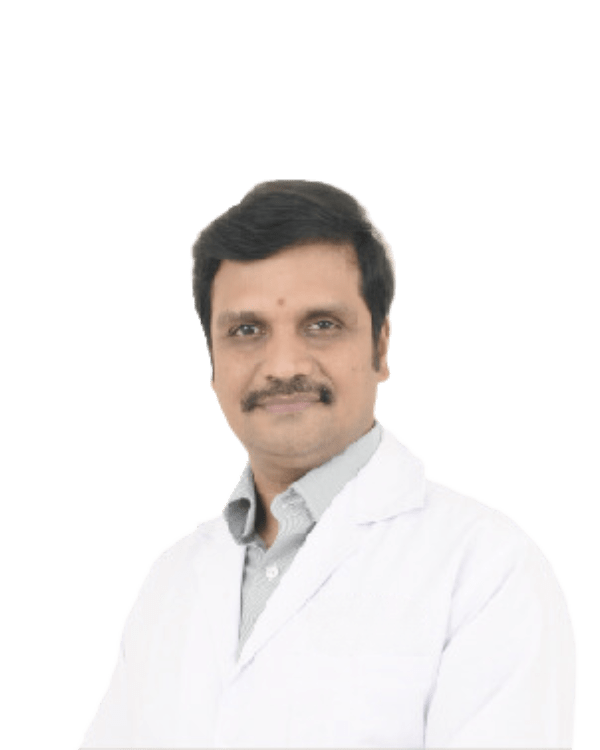
Dr. Manohar C.S.
Senior Urologist — Arka Anugraha Hospital
M.B.B.S. (Bangalore Medical College), D.N.B. (St. Martha's Hospital), F.I.C.S., F.M.A.S., F.I.A.G.E.S., F.A.L.S.
Dr. Manohar C.S. is one of Bangalore's most experienced urologists with a career spanning over 16 years. He specialises in minimally invasive laser kidney stone surgery, prostate treatments (BPH and cancer), urological cancers, and reconstructive urology. His approach is patient-first — he explains every treatment option clearly and recommends surgery only when truly necessary.
His expertise covers the full spectrum of kidney stone management: from medical dissolution therapy for small stones to complex PCNL procedures for large staghorn calculi. Having performed over 3,000 successful laser kidney stone surgeries, Dr. Manohar brings the precision and experience that complex urological cases demand.
Why Choose Arka Anugraha Hospital for Kidney Stone Treatment in Bangalore?
Advanced Laser Technology
Holmium laser and flexible ureteroscopy equipment for precise, incision-free stone removal with minimal bleeding.
Expert Urologist
Dr. Manohar C.S. with 3,000+ successful laser surgeries and 16+ years of specialised urological experience.
Transparent Pricing
No hidden charges. Complete cost breakdown shared before treatment. Insurance and cashless facility available.
Modern Infrastructure
Advanced OTs, ICU & emergency support, NABH-standard hygiene protocols, and in-house diagnostic imaging.
Quick Recovery
Minimally invasive procedures mean most patients go home within 24 hours and return to normal activities in days.
Honest Medical Advice
We never recommend unnecessary procedures. If your stone can pass naturally, we'll guide you through conservative treatment.
How to Prevent Kidney Stones from Recurring
Kidney stones have a high recurrence rate — approximately 50% of patients who have had one stone will develop another within 5–7 years if they don't take preventive steps. Here are evidence-based strategies our urologists recommend:
Hydration (The #1 Prevention Method)
Aim for 2.5 to 3 litres of water daily. Your urine should be pale yellow or almost clear. In Bangalore's warm climate, you may need even more during summer months. Carry a water bottle to your office and set hourly reminders if needed.
Dietary Modifications
- Reduce sodium: Limit salt to less than 2,300mg/day. Excess salt increases calcium in urine.
- Moderate animal protein: Limit red meat, organ meats, and shellfish, especially if you have uric acid stones.
- Eat calcium-rich foods: Paradoxically, dietary calcium (milk, curd, paneer) helps prevent stones. Avoid excess calcium supplements.
- Limit oxalate-rich foods: Spinach, beetroot, nuts, chocolate, and tea — eat in moderation, not excess.
- Add citrus fruits: Lemons, oranges, and amla (Indian gooseberry) contain citrate, which prevents stone formation.
Lifestyle Changes
- Stay physically active — avoid prolonged sitting
- Maintain a healthy BMI (obesity increases stone risk)
- Reduce sugary drinks and colas
- Don't skip meals — irregular eating patterns can increase stone risk
Medical Follow-Up
After kidney stone treatment, we recommend a metabolic evaluation (24-hour urine analysis and blood tests) to identify the underlying cause. This allows us to prescribe specific preventive medications (potassium citrate, thiazides, or allopurinol) tailored to your stone type.
Kidney Stone Myths vs. Facts
Myth: Drinking beer helps dissolve kidney stones.
Fact: Beer increases urine output temporarily but actually increases uric acid and dehydration — worsening stone formation over time. Water is the best fluid for kidney health.
Myth: Kidney stones only affect older people.
Fact: Kidney stones can develop at any age. In Bangalore, urologists report increasing cases among 25–40 year olds, largely due to sedentary lifestyles and poor hydration habits.
Myth: You should avoid calcium completely to prevent kidney stones.
Fact: Dietary calcium actually binds with oxalate in the gut, reducing its absorption. Low-calcium diets can paradoxically increase stone risk. Get calcium from food, not supplements.
Myth: All kidney stones need surgery.
Fact: Many small stones (under 5mm) pass naturally with hydration and medication. At Arka Anugraha Hospital, we recommend surgery only when it's truly necessary for the patient's wellbeing.
Myth: Kidney stone surgery is very painful and requires weeks of bed rest.
Fact: Modern laser and minimally invasive techniques are virtually painless. Most patients walk the same day and resume normal activities within 3–5 days.
Frequently Asked Questions About Kidney Stone Treatment in Bangalore
Treatment costs range from ₹25,000 to ₹2,00,000 depending on the procedure. ESWL (non-invasive shock wave) starts at ₹25,000, laser ureteroscopy ranges from ₹40,000 to ₹1,05,000, RIRS costs ₹70,000 to ₹1,20,000, and PCNL ranges from ₹60,000 to ₹1,50,000. At Arka Anugraha Hospital, we offer transparent all-inclusive pricing.
Yes, laser lithotripsy is one of the safest and most effective kidney stone treatments available today. It is minimally invasive, requires no external incisions, and uses precise Holmium laser energy to fragment stones. Most patients go home within 24 hours with minimal discomfort.
Recovery varies by procedure: ESWL patients resume normal activities in 1–2 days. Laser URS/RIRS requires 3–5 days of rest. PCNL typically needs 5–7 days. Full recovery for most procedures is complete within 2–3 weeks. Your urologist will provide a personalised recovery timeline.
Yes. Stones smaller than 5mm often pass naturally with hydration and pain medication. ESWL is a non-invasive option that doesn't require any incision. Alpha-blocker medications can also help relax the ureter to allow stones to pass. Surgery is typically reserved for larger or complicated stones.
Yes, kidney stone treatment is classified as a medically necessary procedure and is covered by most health insurance plans in India. Arka Anugraha Hospital accepts all major insurers and offers cashless treatment. Our billing team helps with pre-authorisation and claim filing.
Arka Anugraha Hospital in JP Nagar is widely trusted for laser kidney stone treatment. Dr. Manohar C.S. has performed over 3,000 laser surgeries with advanced Holmium laser equipment. The hospital offers modern OTs, transparent pricing, insurance support, and a patient-first approach to care.
The four main types are: Calcium Oxalate (most common, ~80%), Uric Acid (linked to high-protein diets and dehydration), Struvite (caused by UTIs), and Cystine (rare, hereditary). Each type requires different treatment and prevention strategies, which is why post-removal stone analysis is important.
Key prevention steps include: drinking 2.5–3 litres of water daily, reducing salt and excess animal protein, eating adequate dietary calcium (from food, not supplements), limiting oxalate-rich foods, adding citrus fruits to your diet, maintaining a healthy weight, and following up with your urologist for metabolic evaluation.
Generally, stones larger than 6–7mm are unlikely to pass naturally and may require intervention. Stones above 10mm almost always need a procedure (URS, RIRS, or PCNL). However, the decision also depends on the stone's location, the patient's symptoms, and whether there is any obstruction or infection.
You can book a consultation with Dr. Manohar C.S. by calling +91 90197 04252, visiting our online appointment page, or sending a WhatsApp message. Walk-in consultations are also available at our JP Nagar Phase 6 hospital.