
Is Beer Good for Kidney Stones?
A Urologist Explains the Truth
Separating dangerous myths from evidence-based facts — so you can protect your kidneys, not hurt them.
Beer is NOT good for kidney stones.
Despite a popular belief that beer "flushes out" stones, the medical evidence is clear: alcohol causes dehydration, raises uric acid, and adds oxalates — all of which make kidney stones worse. Here is the full science, plus what actually works.
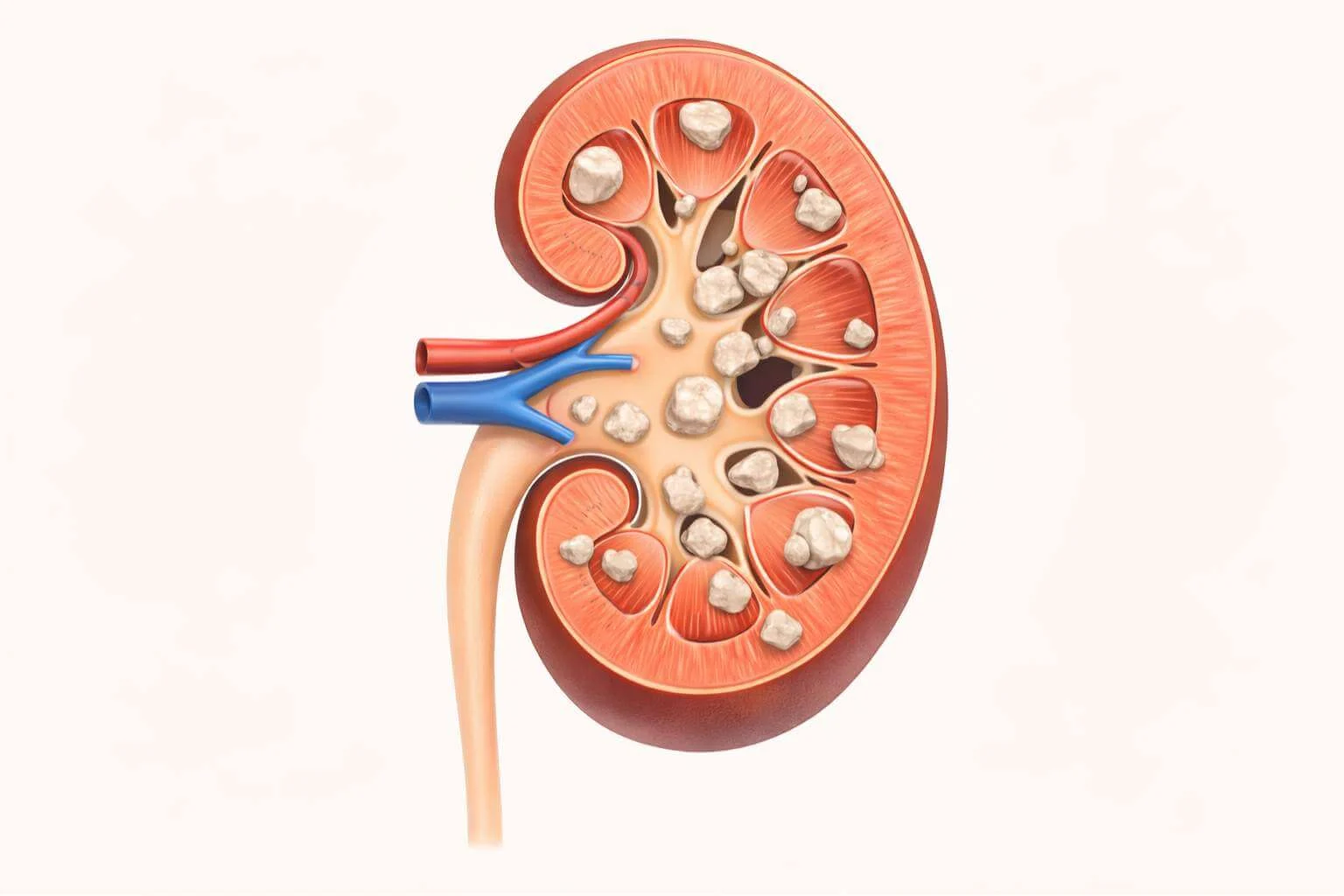
What Are Kidney Stones and Why Do They Form?
Kidney stones (nephrolithiasis) are solid mineral and salt deposits that form inside your kidneys when urine becomes concentrated. They range from a grain of sand to a golf ball in size, and the pain they cause — renal colic — is often described as one of the most severe a person can experience.
The four main types of kidney stones:
| Stone Type | Cause | % of Cases |
|---|---|---|
| Calcium Oxalate | High oxalate / low fluid intake | ~75% |
| Uric Acid | High purine diet, dehydration | ~10% |
| Struvite | Urinary tract infections | ~10% |
| Cystine | Genetic disorder | ~1% |
🔬 Key insight: The single most common cause of kidney stones is inadequate fluid intake. When urine is too concentrated, minerals crystallise and clump together. This is directly relevant to why beer is harmful, not helpful.
Is Beer Good for Kidney Stones? The Science-Backed Answer
The myth likely started because beer is a diuretic — it makes you urinate more. More urination sounds like it should flush stones out. But here is why that logic breaks down completely:
3 Reasons Beer Makes Kidney Stones Worse
"Beer flushes out kidney stones because it makes you urinate more."
Alcohol suppresses ADH (anti-diuretic hormone), causing net fluid loss. The result is dehydration — the #1 risk factor for stones.
1. Alcohol Causes Dehydration
When you drink beer, your body excretes more fluid than you actually consume. This leaves your urine more concentrated — exactly the environment in which kidney stones form and grow.
2. Beer Raises Uric Acid Levels
Beer is rich in purines (especially from yeast and hops). Purines metabolise into uric acid. Elevated uric acid directly causes uric acid kidney stones — and worsens the environment for calcium oxalate stones too.
3. Beer Contains Oxalates
Malt, hops, and barley in beer contain oxalate compounds. Since 75% of all kidney stones are calcium oxalate stones, drinking beer actively feeds the most common stone-forming process.
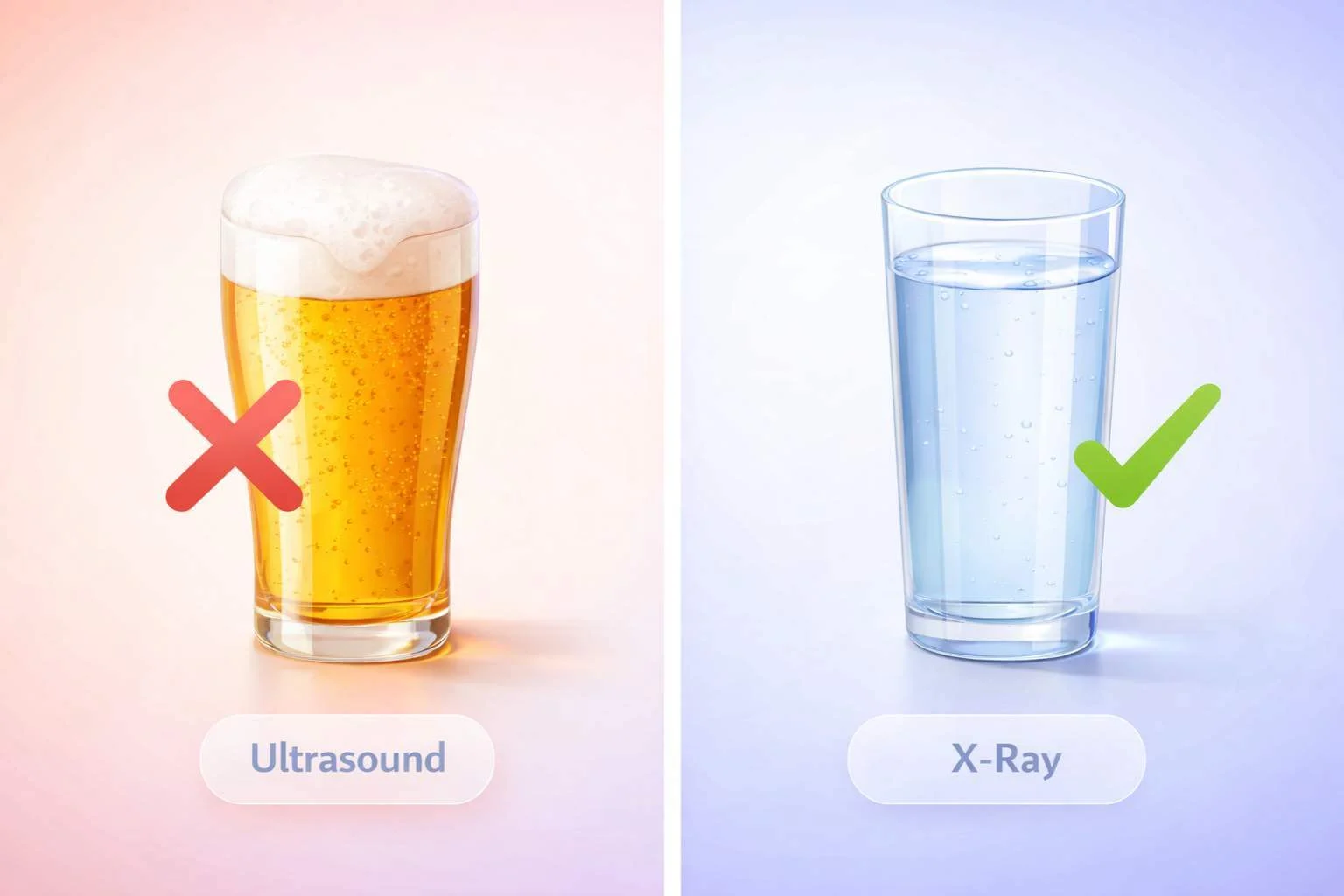
Beer vs. Water: Head-to-Head Comparison for Kidney Stones
| Factor | Beer | Water (2.5L/day) |
|---|---|---|
| Hydration Effect | Dehydrating | Hydrating |
| Uric Acid Impact | Increases uric acid | Dilutes uric acid |
| Oxalate Content | High (from malt/hops) | Zero |
| Stone Passage | No proven benefit | Clinically proven to help |
| Stone Prevention | Increases risk | Reduces risk by 50%+ |
| Doctor's Recommendation | ❌ Not recommended | ✅ First-line advice |
Other Kidney Stone Myths — Debunked by Doctors
Myth: Apple Cider Vinegar Dissolves Kidney Stones
ACV's acetic acid will dissolve stones inside your body.
There is no robust clinical evidence ACV dissolves kidney stones in humans. It may harm tooth enamel and worsen acid reflux if consumed in excess.
Myth: Only Older Adults Get Kidney Stones
Kidney stones are an old person's problem.
Kidney stones increasingly affect young adults and even children — largely driven by poor hydration, high-sodium diets, and obesity.
Myth: All Stones Require Surgery
You always need surgery to remove a kidney stone.
Most small stones (under 5–6 mm) pass on their own with adequate hydration and pain management. Surgery is only required for large, obstructing, or infected stones.
Myth: Milk and Dairy Cause Kidney Stones
Eating dairy increases your kidney stone risk.
Dietary calcium from food actually prevents calcium oxalate stones by binding to oxalate in the gut before it reaches the kidneys.
What Actually Helps with Kidney Stones? (Evidence-Based)
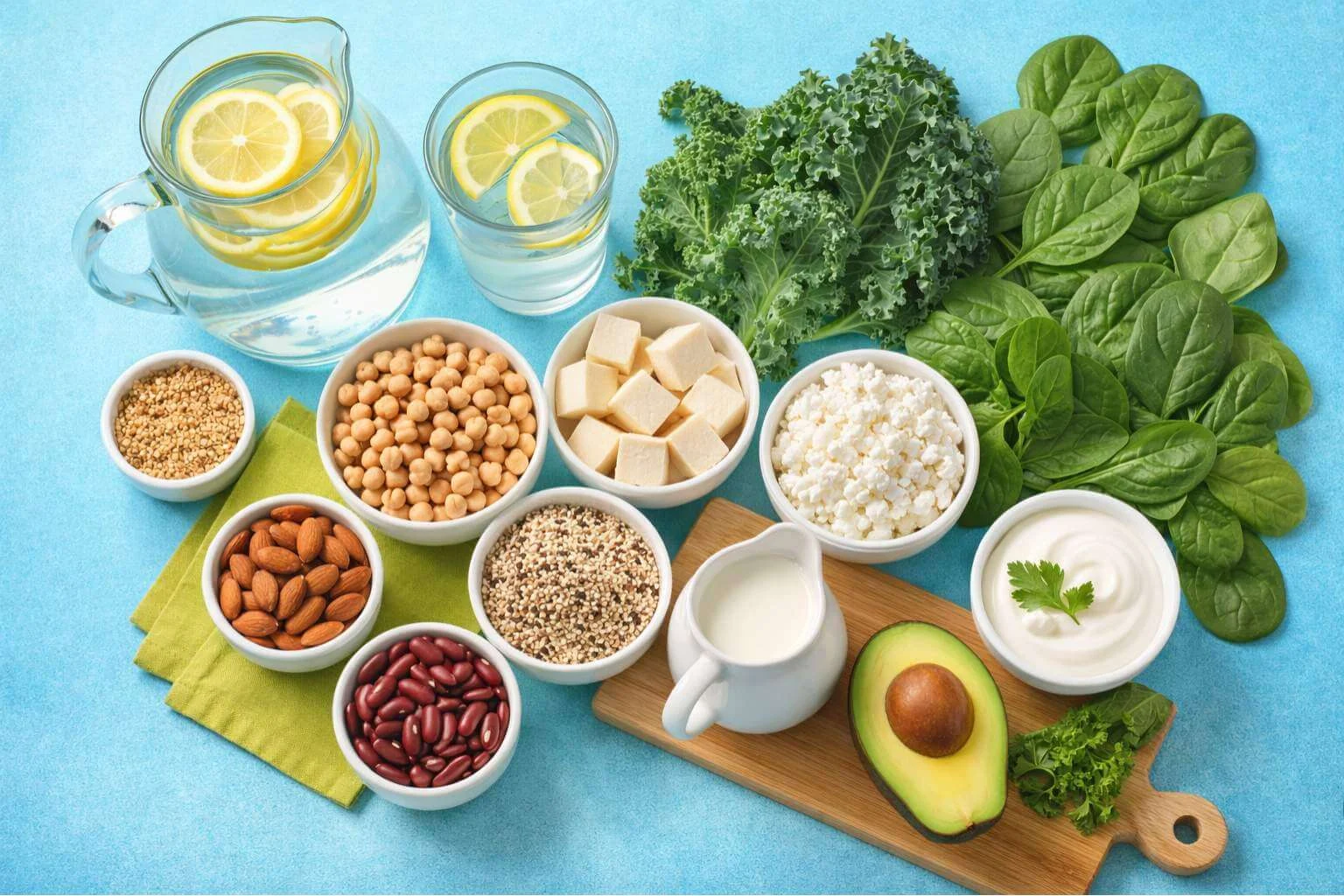
✅ Proven Home Strategies to Prevent and Pass Kidney Stones
- Drink 2.5–3 litres of water daily. Your urine should be pale yellow or clear. This is the single most effective intervention for both treatment and prevention.
- Add lemon juice to your water. Lemons are rich in citrate, which inhibits calcium stone formation by binding to calcium in urine.
- Limit sodium to under 2,300 mg/day. Excess sodium causes the kidneys to excrete more calcium, raising stone risk.
- Eat adequate dietary calcium. Don't eliminate dairy — it helps. Only calcium supplements (not food) may slightly increase risk.
- Reduce animal protein. Red meat and shellfish raise uric acid. Swap some meals for plant-based protein.
- Limit high-oxalate foods if you have calcium oxalate stones: spinach, nuts, beets, and dark chocolate in large amounts.
- Maintain a healthy body weight. Obesity is an independent risk factor for kidney stones.
⚠️ When to Seek Immediate Medical Help for Kidney Stones
- Severe, sudden pain in your back, side, or lower abdomen that does not ease with rest
- Blood in your urine (pink, red, or brown discolouration)
- Fever, chills, or shaking alongside pain (possible kidney infection — a medical emergency)
- Persistent nausea and vomiting preventing you from keeping fluids down
- Inability to urinate or very little urine output
- Stone not passing after 4–6 weeks despite good hydration
Medical Treatments for Kidney Stones at Arka Anugraha Hospital
When home management is not enough, our urology team in Bangalore offers advanced, minimally invasive treatments:
ESWL
Shock wave lithotripsy — sound waves break stones into passable fragments. Non-invasive.
Ureteroscopy
A thin camera is guided through the urinary tract to laser-fragment stones. Day procedure.
PCNL
Percutaneous nephrolithotomy for large stones — a small keyhole incision in the back.
Medical Expulsion
Alpha-blockers relax the ureter to help small stones pass naturally with less pain.
Frequently Asked Questions
Don't Rely on Myths. Get an Expert Opinion.
Our urology specialists at Arka Anugraha Hospital, Bangalore offer accurate diagnosis, stone analysis, and personalised treatment plans.
Book Your Consultation📞 Call Now: +91 90197 04252