
Best Diet for PCOS: A Complete, Evidence-Based Guide for Indian Women
Struggling with irregular periods, unexplained weight gain, or hair loss? The right PCOS diet can restore hormonal balance, reduce insulin resistance, and transform how you feel — starting today.

1. What Is PCOS? Understanding the Condition
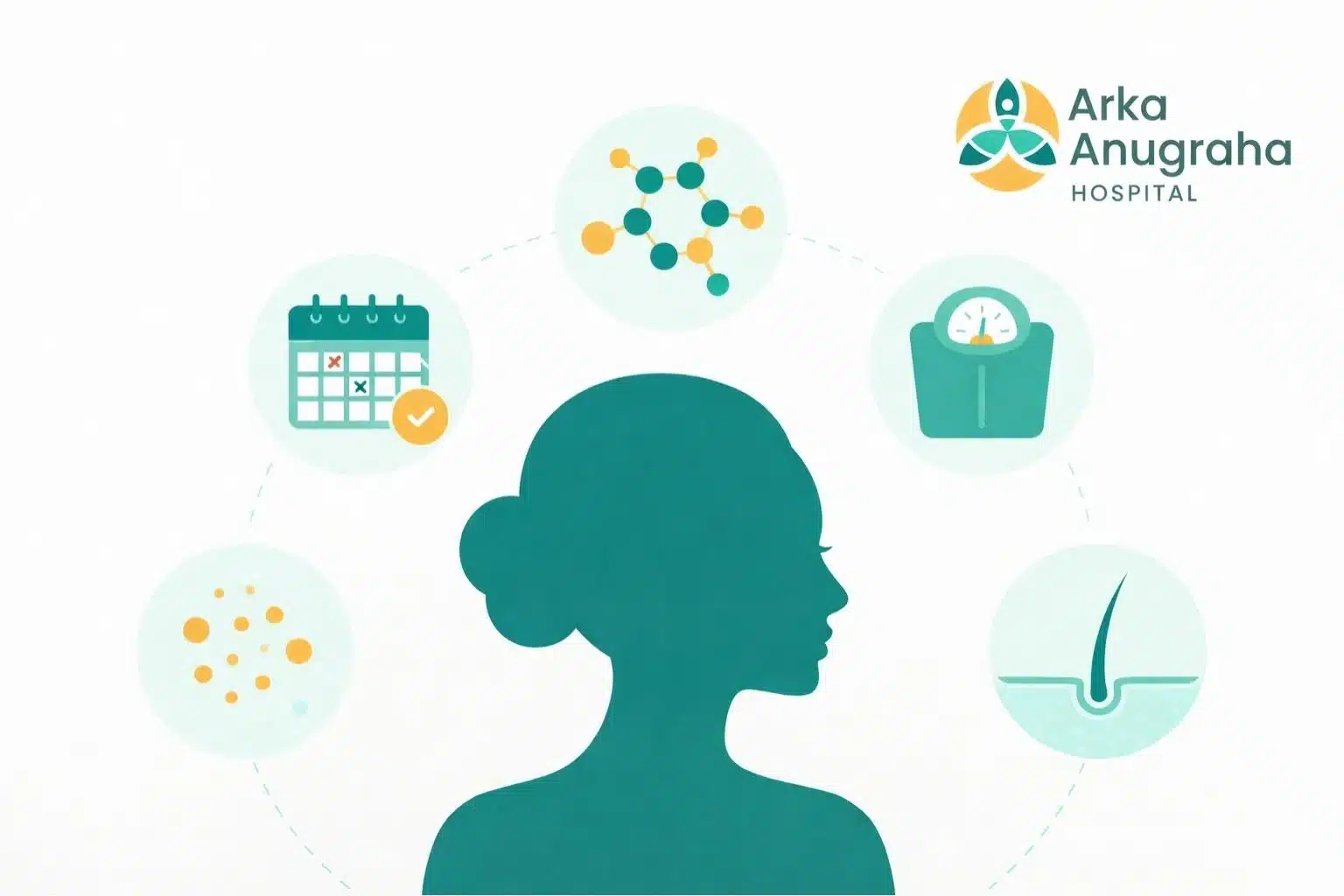
Polycystic Ovarian Syndrome (PCOS) is one of the most common hormonal disorders affecting women of reproductive age — impacting an estimated 1 in 5 women in India. Despite its name, PCOS does not always mean you have cysts on your ovaries. It is a metabolic and endocrine condition characterised by three core features:
- Irregular or absent menstrual cycles due to disrupted ovulation
- Elevated androgen levels (male hormones) — causing acne, excess facial or body hair, and scalp hair thinning
- Polycystic ovaries on ultrasound — small follicles that failed to fully mature
If you have missed more than 3 consecutive periods, have been trying to conceive for over 6 months, or notice rapid weight gain with severe hair loss — consult a gynaecologist promptly. Early diagnosis significantly improves long-term outcomes.
2. Why Diet Is the Most Powerful PCOS Tool
Research consistently shows that dietary modification produces measurable improvements in PCOS symptoms — sometimes within just 4–6 weeks. Here is why food has such a profound impact:
The Insulin–Androgen Connection
In approximately 70% of women with PCOS, the body's cells become resistant to insulin. The pancreas compensates by producing more insulin — which then directly signals the ovaries to produce more androgens (testosterone and other male hormones). This chain reaction disrupts ovulation, fuels weight gain, causes acne, and drives excess facial hair. The most effective way to break this cycle? Eat foods that keep blood sugar stable and reduce the demand for insulin.
The Chronic Inflammation Factor
Women with PCOS have chronically elevated inflammatory markers. Processed foods, refined sugar, and trans fats actively worsen this inflammation, amplifying every PCOS symptom. An anti-inflammatory diet rich in whole foods, omega-3 fats, and fibre calms this inflammatory response at its root.
Studies show that even a 5–10% reduction in body weight through diet and exercise can restore regular menstrual cycles and improve fertility in women with PCOS — sometimes without any medication required.
3. Best Foods to Eat for PCOS
Your PCOS diet should be built around foods that are low in glycaemic index (GI), high in fibre, anti-inflammatory, and nutrient-dense.
🌾 Low-GI Whole Grains & Millets
- Ragi (Finger Millet) — rich in calcium, fibre, and iron; GI of only 68
- Jowar (Sorghum) — gluten-free, high fibre, excellent for insulin management
- Bajra (Pearl Millet) — magnesium-rich, supports hormonal function
- Brown Rice — retains the bran layer, releases glucose slowly
- Quinoa — complete protein, fibre-rich, low GI
- Oats — beta-glucan fibre stabilises blood sugar and lowers LDL cholesterol
🥦 Non-Starchy Vegetables (Fill Half Your Plate)
- Leafy greens: Spinach, methi leaves, moringa, curry leaves — anti-inflammatory and iron-rich
- Cruciferous: Broccoli, cauliflower, cabbage — support oestrogen detoxification in the liver
- Others: Bottle gourd, ridge gourd, bitter gourd, zucchini, capsicum, tomatoes
🫘 Legumes & Lentils
- Moong dal, masoor dal, chana dal, rajma, chickpeas, black-eyed peas
- Provide slow-release carbohydrates, plant protein, and fibre simultaneously
- Sprouted moong and soaked methi seeds are especially nutrient-dense
🐟 Lean Proteins
- Eggs — high-quality protein and choline for hormonal support
- Fatty fish (salmon, mackerel, sardines) — omega-3s directly reduce androgen levels
- Paneer and plain curd — great calcium and protein for vegetarians
- Chicken breast — lean, satiating, low in saturated fat
🥑 Healthy Fats
- Avocado — monounsaturated fats, fibre, and potassium
- Nuts & seeds (almonds, walnuts, flaxseeds, chia) — omega-3s and magnesium
- Ghee (in moderation) — supports gut lining and hormonal synthesis
- Olive oil — oleocanthal is a potent natural anti-inflammatory
🍓 Low-GI Fruits
- Berries, pear, apple, guava, amla, pomegranate — prefer these over high-sugar options
- Always eat whole fruit rather than juice — fibre slows glucose absorption
- Limit to 1–2 servings per day; morning is the best time
4. Foods to Avoid with PCOS
| Category | Examples | Why It Hurts | Status |
|---|---|---|---|
| Refined Carbs | White rice, maida, white bread, polished rice idli, biscuits | Blood sugar spike → insulin surge → androgen rise | Avoid |
| Added Sugar | Cold drinks, packaged juices, mithai, chocolates, ice cream | Direct insulin trigger; worsens inflammation & weight gain | Avoid |
| Trans Fats | Vanaspati, margarine, packaged chips, fried fast food | Severe inflammation; directly worsens insulin resistance | Avoid |
| Processed Meats | Sausages, salami, hot dogs, cold cuts | High saturated fat & sodium; strongly pro-inflammatory | Avoid |
| Full-Fat Dairy | Buffalo milk excess, cream, full-fat cheese | Some women see improved acne by reducing these | Limit |
| High-GI Fruits | Mango, banana, litchi, grapes, chikoo in large portions | High sugar spikes blood glucose rapidly | Limit |
| Caffeine & Alcohol | More than 1 cup coffee/day, alcohol | Disrupts cortisol & liver hormone detox | Limit |
Not sure what to eat for your specific PCOS type?
Our gynaecologists personalise your diet plan based on your hormonal profile and individual symptoms.
5. The Indian PCOS Diet: What to Eat Every Day
Indian cuisine is inherently PCOS-friendly — if you know what to keep and what to modify.
PCOS Superfoods Hiding in Your Kitchen
- Methi (Fenugreek) Seeds — Soak 1 tsp overnight and consume on an empty stomach. Clinically shown to improve insulin sensitivity and lower blood sugar.
- Haldi (Turmeric) — Curcumin is a potent anti-inflammatory and natural androgen reducer. Always pair with black pepper to enhance absorption by up to 2,000%.
- Dalchini (Cinnamon) — Research shows it improves menstrual regularity and insulin sensitivity. Add to morning porridge or herbal chai.
- Jeera (Cumin) — Improves insulin function and reduces oxidative stress. Use in tadka and curd raita.
- Amla (Indian Gooseberry) — Exceptionally rich in Vitamin C; anti-inflammatory and supports liver detoxification of excess hormones.
- Moringa (Drumstick Leaves) — Iron-rich, anti-inflammatory, and an excellent blood sugar moderator. Add to dal or soups.
- Ashwagandha — Reduces cortisol, supports thyroid function, and helps regulate the hormonal axis disrupted by PCOS. Use only under medical guidance.
Smart Indian Food Swaps
- White rice → Ragi mudde, jowar roti, brown rice, or millets
- Maida roti → Whole wheat + ragi blended atta chapati
- Sugar in chai → Cinnamon sticks, cardamom, or stevia
- Fruit juice → Whole low-GI fruit with the fibre intact
- Deep-fried snacks → Roasted chana, makhana, sprout chaat
- Packaged biscuits → Handful of mixed nuts or homemade flaxseed crackers
At Arka Anugraha Hospital, PCOS is treated with a truly holistic model — dietary counselling, yoga therapy (Dr. Saraswathi holds a PhD in Yoga), naturopathy, and evidence-based medicine, all working together. As a Patron Member of the PCO Society of India, she brings India's highest level of PCOS-specific expertise to every consultation.
6. Sample 1-Day PCOS Meal Plan (Indian Edition)
Designed to be low-GI, anti-inflammatory, high in fibre and protein, and rooted in everyday Indian cooking. Adjust portions to your individual calorie needs.
Hormone-Reset Morning Ritual
1 tsp soaked methi seeds + warm water with ½ tsp cinnamon and a squeeze of lemon. 5 soaked almonds.
High-Protein, Low-GI Start
Ragi dosa with sambar (no sugar) + 1 boiled egg or moong dal chilla. OR: Overnight oats with chia seeds, berries & cinnamon.
Steady Blood Sugar Snack
1 guava or apple + 1 tbsp almond butter. OR: Handful of roasted chana (unsalted) + small cup plain curd.
Balanced PCOS Thali
Brown rice or jowar roti (2) + dal + green sabzi + cucumber salad + small cup curd. No added sugar.
Anti-Inflammatory Break
Haldi milk (warm milk + turmeric + black pepper) + 4–5 walnuts or 1 tbsp pumpkin seeds.
Light & Easy to Digest
Vegetable soup + 2 ragi rotis + paneer bhurji or grilled fish + sautéed leafy greens. Keep dinner the lightest meal.
⚠️ General guide only. Consult a gynaecologist or clinical nutritionist for a plan tailored to your hormonal profile and health goals.
Dr. Saraswathi Ramesh
With over 35 years of experience and more than 3,000 advanced laparoscopic surgeries, Dr. Saraswathi is one of Bangalore's most trusted PCOS specialists. Her unique integration of yoga, naturopathy, and evidence-based medicine offers women a truly holistic path to hormonal health — addressing the root cause, not just the symptoms.
View Full Profile →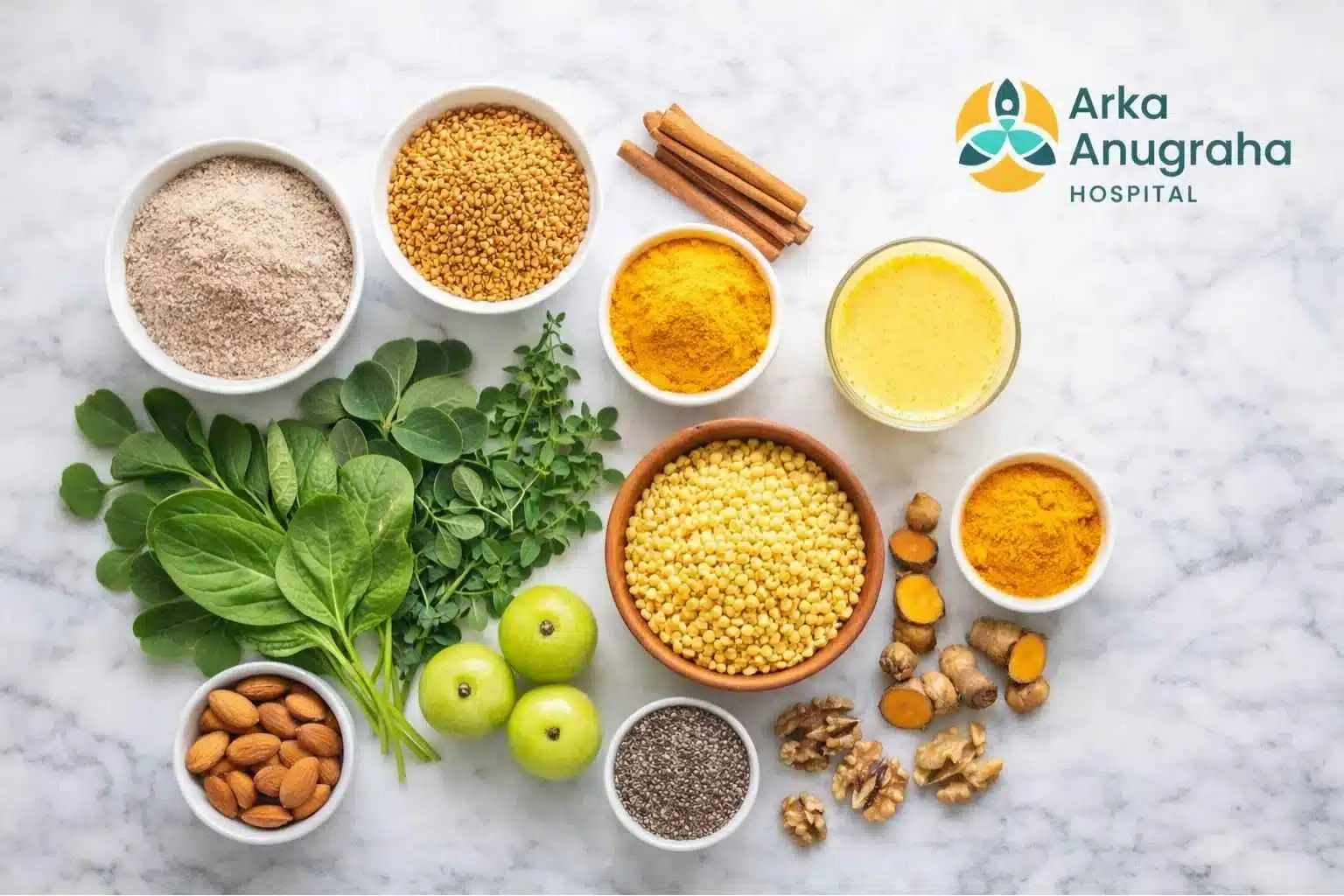
7. Lifestyle Changes That Amplify Your PCOS Diet
Exercise: Your Natural Insulin Sensitiser
- Strength training (2–3×/week) — Builds muscle, the body's largest glucose sink. The single most effective exercise type for improving insulin sensitivity in PCOS.
- Brisk walking (30–45 min daily) — Reduces fasting insulin, improves mood, supports steady weight management.
- Yoga — Specific asanas (Supta Baddha Konasana, Setu Bandhasana) and pranayama (Bhramari) reduce cortisol and directly support ovarian function. Integrated into PCOS care at Arka Anugraha Hospital under Dr. Saraswathi's PhD-level yoga expertise.
- Avoid excessively intense exercise — it raises cortisol and can worsen hormonal imbalance.
Sleep: The Forgotten Hormone Regulator
Poor sleep raises cortisol, drives insulin resistance, and increases hunger hormones (ghrelin). Aim for 7–8 hours of quality, consistent sleep. Keep devices out of the bedroom and maintain a fixed sleep-wake schedule.
Stress Management
Chronic stress is one of the most underappreciated PCOS aggravators. Cortisol directly disrupts the hypothalamic-pituitary-ovarian axis that regulates your cycle. Meditation, deep breathing, journalling, and intentional leisure time are therapeutic necessities — not optional extras — in PCOS care.
8. Key Supplements for PCOS (Evidence-Based)
Always consult your gynaecologist before starting any supplement. Dosages vary significantly based on individual lab values, PCOS severity, and current medications. Self-medicating can interact with treatments like Metformin or oral contraceptives.
- Myo-Inositol + D-Chiro-Inositol (40:1 ratio) — The most evidence-backed supplement for PCOS. Improves insulin sensitivity, reduces androgens, and restores ovulation. Considered first-line natural therapy by many endocrinologists globally.
- Vitamin D3 — Most Indian women with PCOS are deficient. Supplementation improves insulin sensitivity, ovarian function, and menstrual regularity.
- Omega-3 Fatty Acids (Fish Oil) — Reduces triglycerides, lowers androgen levels, and decreases systemic inflammation. Aim for 2–3g EPA+DHA daily.
- Magnesium — Supports insulin function, reduces cortisol, improves sleep quality, and helps with PMS symptoms common in PCOS.
- Zinc — Clinically shown to reduce testosterone and improve androgenic alopecia (PCOS hair loss) in women.
- N-Acetyl Cysteine (NAC) — Comparable to Metformin in some clinical studies for insulin sensitivity and ovulation. Increasingly used as a natural first-line option.
9. PCOS Treatment at Arka Anugraha Hospital — Cost & Insurance Support
💼 Hassle-Free Insurance Assistance
-
✅Empanelled Insurance Partners: Arka Anugraha Hospital is empanelled with select insurance providers. Please contact our team to confirm whether your specific insurer is in our network before your visit.
-
📋Documentation Support for ALL Insurers: Even if your insurance company is not directly empanelled, our dedicated team assists with complete claim documentation and paperwork to support your reimbursement with any insurer.
-
ℹ️No Cashless Facility: Arka Anugraha Hospital does not currently offer a cashless treatment facility. Treatment is settled directly at the hospital, after which you may claim reimbursement from your insurer using our full documentation support.
-
📞Speak to Our Insurance Team: Call +91 90197 04252 to discuss your insurer and coverage options before your appointment — no hidden charges, no surprises.
What a PCOS Consultation Includes
A personalised PCOS management plan at Arka Anugraha Hospital may include a detailed hormonal blood panel (LH, FSH, testosterone, AMH, insulin, thyroid), pelvic ultrasound, dietary counselling, and a protocol tailored to your specific PCOS phenotype. Our integrative approach combines conventional gynaecology with yoga therapy and naturopathy for sustainable long-term hormonal health.
Ready to Take Control of Your PCOS?
Book a consultation with Dr. Saraswathi Ramesh — Patron Member, PCO Society of India — for a personalised PCOS diet and treatment plan tailored to your body and goals.
📅 Book Your Consultation