
Long-Term Solutions for Chronic Acidity Problems: A Complete Guide
Are you tired of constantly popping antacids and still feeling that burning sensation in your chest? Do you wake up with a sour taste in your mouth? If yes, you might be dealing with a chronic acidity problem. This common health issue affects millions of people worldwide and can seriously impact your quality of life.
At Arka Anugraha Hospital in Bangalore, we understand how frustrating it is to deal with severe acidity problem day after day. The good news? There are effective long term acidity solutions that can help you get lasting relief.
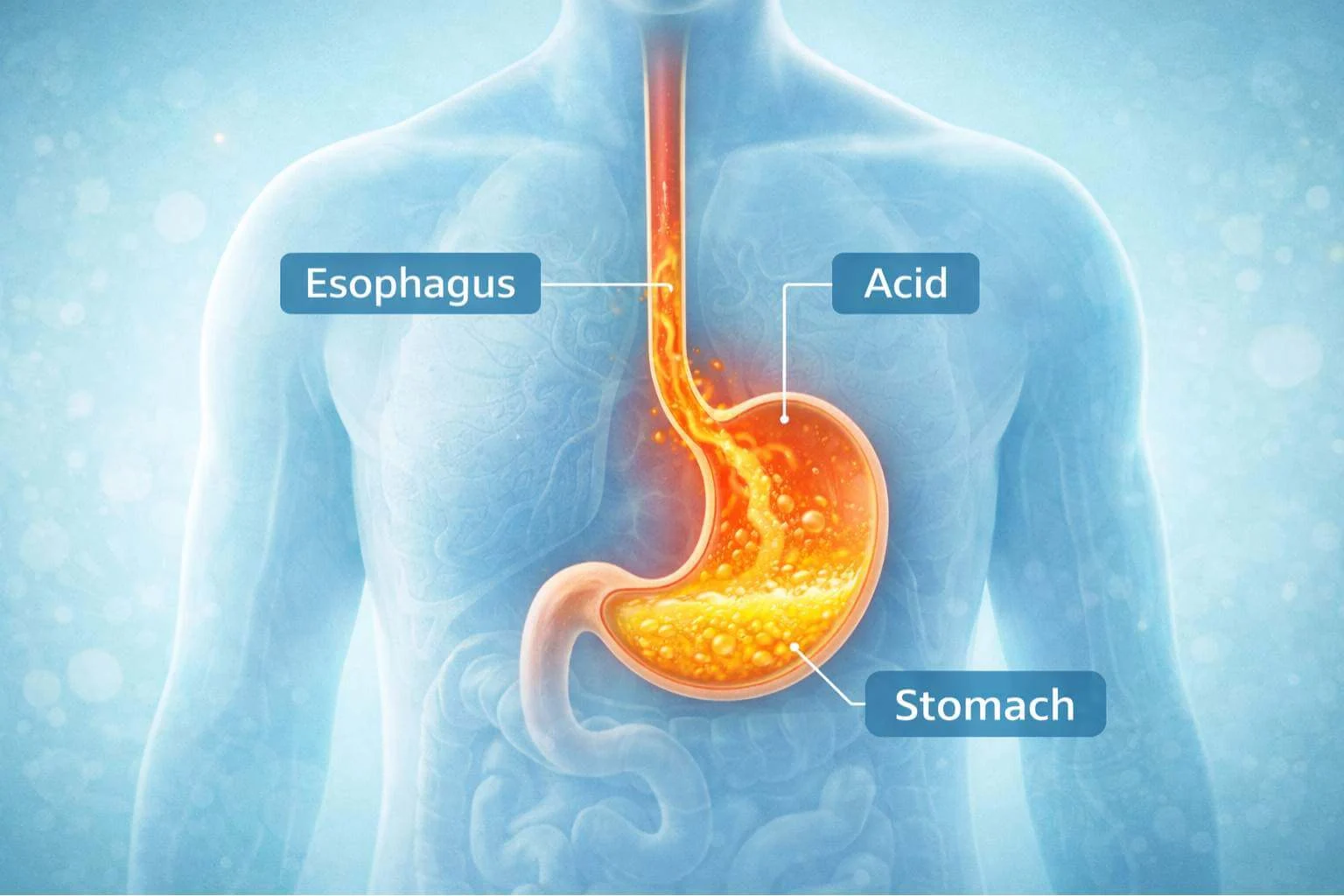
What Is Chronic Acidity and Why Does It Happen?
Acidity, also known as acid reflux or heartburn, happens when stomach acid flows back into your food pipe (esophagus). When this happens regularly, sometimes multiple times a week or even daily, we call it a chronic acidity problem.
Your stomach produces acid to break down food. However, there is a special valve at the bottom of your food pipe called the lower esophageal sphincter (LES). When this valve becomes weak or does not work properly, acid escapes upward.
Common Causes of Frequent Acidity Problem
- Eating Habits: Spicy/oily foods, caffeine, large meals close to bedtime.
- Lifestyle: Being overweight, smoking, stress, tight clothing.
- Medications: Certain pain relievers, blood pressure medicines.
- Medical Conditions: Hiatal hernia, pregnancy.
Warning Signs of Severe Acidity
- Heartburn more than twice a week.
- Burning pain spreading to throat/neck.
- Waking up at night with acid in throat.
- Difficulty swallowing or constant nausea.
- Persistent cough or hoarse voice.
- Blood in vomit or stool (Seek immediate care).
If you experience these regularly, visit Arka Anugraha Hospital for a proper diagnosis.
What Are the Best Long Term Acidity Solutions?
Quick fixes like antacids provide temporary relief but do not address the root cause. For lasting results, you need strategic changes.
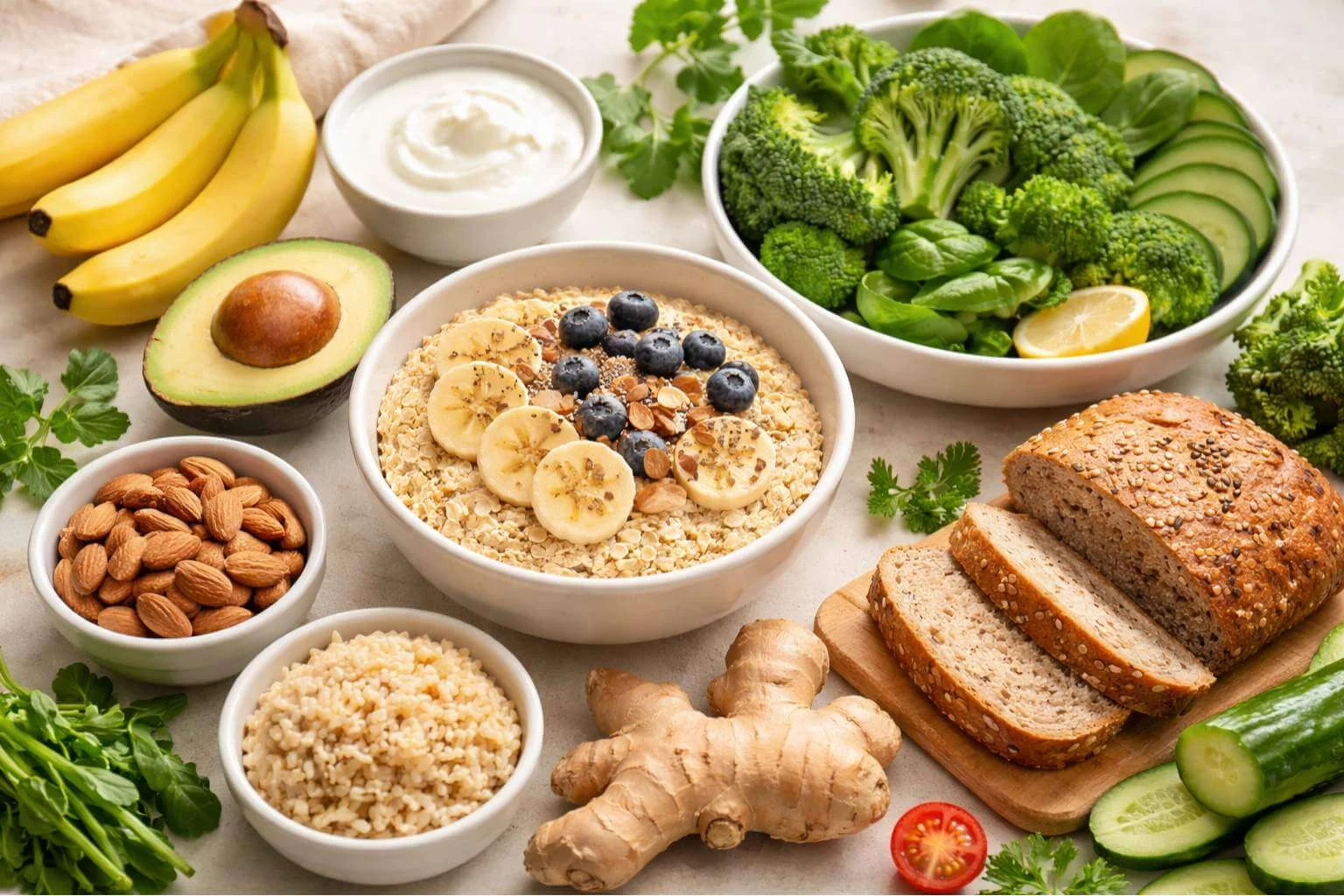
1. Dietary Changes That Make a Difference
Avoid Triggers: Spicy/fried foods, chocolate, mint, citrus, tomatoes, caffeine, carbonated drinks, alcohol.
Embrace Friendly Foods: Oatmeal, bananas, melons, green vegetables (broccoli, beans), lean proteins, whole grains, ginger.
How to Eat: Smaller, frequent meals. Chew slowly. Stay upright after meals (wait 3 hours before bed).
2. Lifestyle Modifications for Lasting Relief
- Weight: Lose excess weight to reduce pressure on the stomach.
- Sleep: Elevate the head of your bed 6-8 inches.
- Habits: Quit smoking. Wear loose-fitting clothing.
- Stress: Practice yoga or deep breathing to lower acid production.
3. Natural Remedies and Home Solutions
- Hydration: Drink 8 glasses of water daily (between meals).
- Ginger Tea: Anti-inflammatory properties soothe digestion.
- Aloe Vera Juice: Reduces inflammation (1/4 cup before meals).
- Chew Gum: Sugar-free gum after meals stimulates protective saliva.
When Should You See a Doctor?
Consult a doctor if symptoms persist for 2-3 weeks despite changes, or if you have severe chest pain, difficulty swallowing, or rely on antacids daily. Our team uses advanced tools like endoscopy and pH monitoring for accurate diagnosis.

Medical Treatment Options Available
When lifestyle changes aren't enough, we offer medical treatments:
- Proton Pump Inhibitors (PPIs): Powerful acid reducers taken before breakfast.
- H2 Blockers: Reduce acid production (less powerful than PPIs).
- Prokinetics: Strengthen the stomach valve and aid emptying.
- Surgery: Fundoplication for severe cases to strengthen the valve.
Common Myths About Acidity
Creating Your Personal Action Plan
Week 1: Keep a food diary to find triggers.
Week 2: Remove trigger foods. Eat smaller meals. Stop eating 3 hours before bed.
Week 3: Elevate bed head. Start stress reduction (walks/meditation).
Week 4: Add natural remedies like ginger tea. Increase water between meals.
After 1 Month: Evaluate progress. If symptoms persist, book a consultation.
Take Control of Your Digestive Health Today
Living with a chronic acidity problem does not have to be your reality forever. The key is consistency and patience.
At Arka Anugraha Hospital in Bangalore, our dedicated team is ready to help you find effective relief. Schedule a consultation today.
Book Your Appointment Now