
The Complete Guide to Food for Piles: Diet & Lifestyle Tips for Relief
Living with piles (hemorrhoids) can be uncomfortable and frustrating. The good news? Your diet plays a crucial role in managing this condition and preventing flare-ups. At Arka Anugraha Hospital in Bangalore, we help hundreds of patients find relief through proper nutrition and lifestyle changes. This comprehensive guide will show you exactly what to eat, what to avoid, and how to live comfortably with piles.
What Are Piles and Why Does Diet Matter?
Piles, also known as hemorrhoids, are swollen blood vessels in the rectal area that cause pain, bleeding, and discomfort during bowel movements. When you strain during bathroom visits or deal with constipation, these blood vessels become irritated and inflamed.
Your diet directly impacts your bowel movements. The right food for piles can make stools softer and easier to pass, reducing strain and allowing hemorrhoids to heal. On the other hand, the wrong foods can worsen constipation and increase inflammation, making your symptoms much worse.
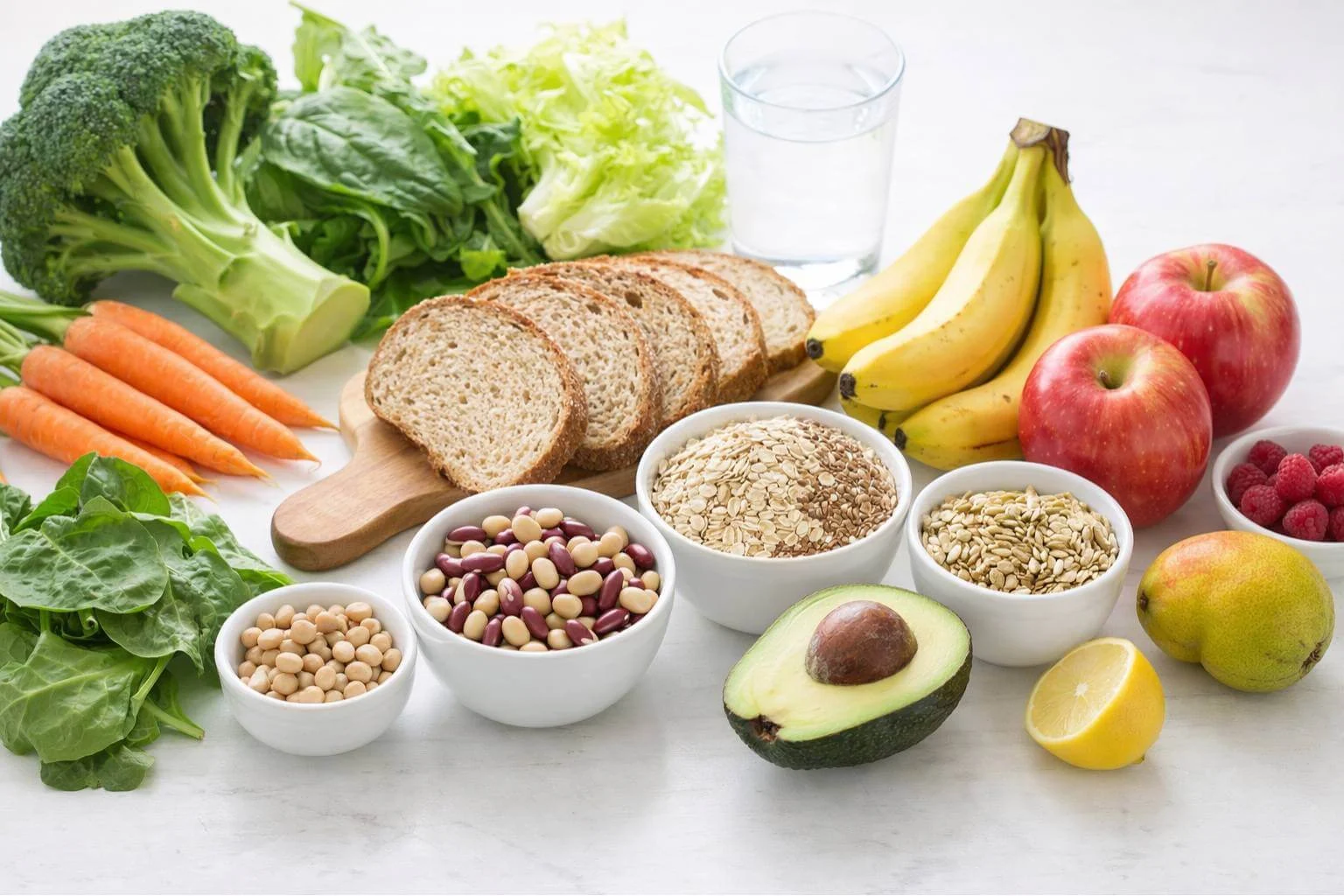
What Is the Best Food for Piles Patients?
Fiber is the most important nutrient in a diet for piles patient. Fiber absorbs water in your intestines, making stools soft and bulky, which helps them pass easily without straining.
Vegetables to Include
- Leafy greens (spinach, cabbage, methi)
- Broccoli and cauliflower
- Carrots and beetroot
- Beans and lentils (moong, masoor, rajma)
- Peas, corn, bell peppers, cucumber
Fruits That Help
- Apples (with skin)
- Pears
- Ripe Bananas
- Papayas, Oranges, Sweet Lime
- Berries, Guava, Watermelon
Whole Grains
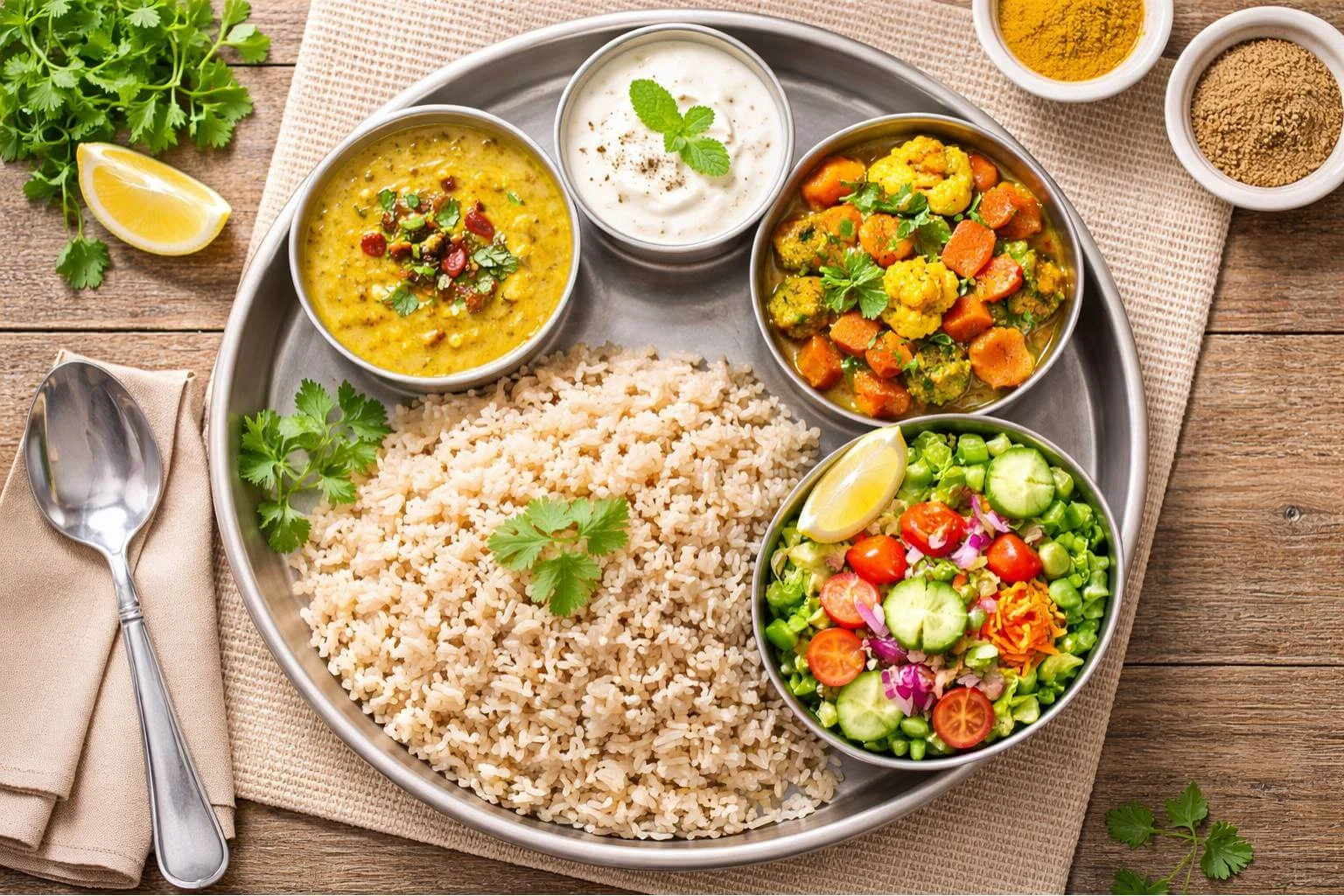
- Brown rice instead of white rice
- Whole wheat roti (chapati)
- Oats and oatmeal
- Whole grain bread
- Quinoa, millets, broken wheat (dalia)
Hydration & Gut Health
- Water-rich foods (cucumber, tomato, soups)
- Probiotics (Yogurt/curd, buttermilk)
- Healthy fats (Ghee, olive oil, nuts, seeds)
Foods to Avoid in Piles: What Makes It Worse?
Knowing which foods to avoid is just as important as knowing what to eat. Avoiding these can prevent worsening constipation and inflammation.
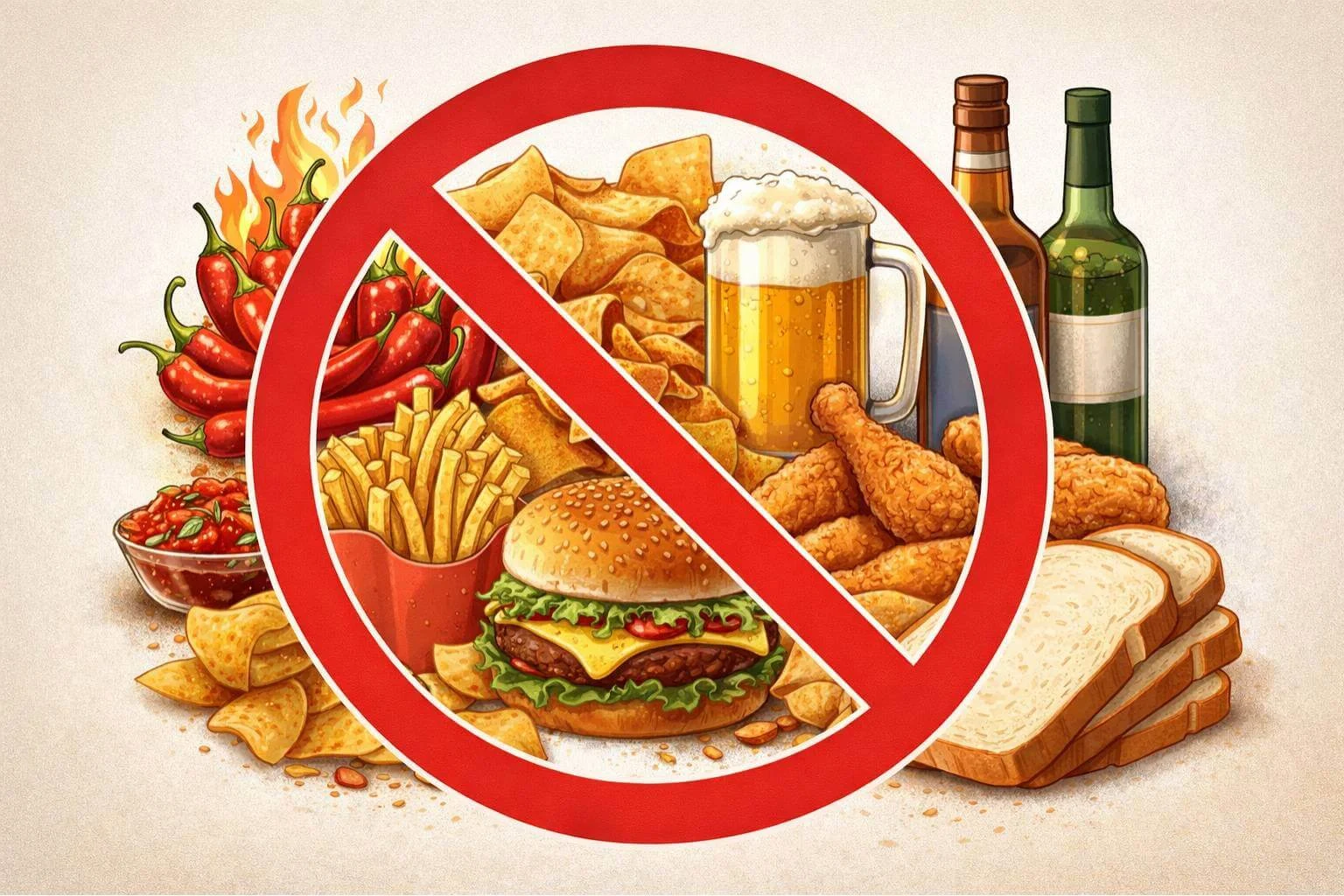
5 Foods to Avoid with Hemorrhoids
- Spicy Foods: Red chili, black pepper, and garam masala can irritate the digestive system and make bowel movements painful.
- Processed & Refined Foods: White bread, maida, white rice, biscuits, and packaged snacks contain very little fiber.
- Fried & Fatty Foods: Deep-fried items (samosas, chips) slow down bowel movements and cause inflammation.
- Dairy Products (In Excess): Too much cheese, milk, or paneer can cause constipation in some people.
- Red & Processed Meats: Mutton, beef, and sausages are low in fiber and difficult to digest.
Other triggers: Caffeine, Alcohol, Salty snacks, Unripe bananas, and Iron supplements.
Sample Diet Plan for Piles Patient
This sample meal plan incorporates high-fiber foods and proper hydration to ease symptoms.
| Time | Meal Suggestion |
|---|---|
| Early Morning (6:30 - 7:00 AM) | 1 glass warm water with lemon (optional) 4-5 soaked almonds |
| Breakfast (8:00 - 9:00 AM) | 2 whole wheat rotis + veg curry OR 1 bowl oats with fruit OR 2 idlis with sambar |
| Mid-Morning (11:00 AM) | 1 seasonal fruit (apple/papaya) OR 1 glass buttermilk |
| Lunch (1:00 - 2:00 PM) | 2 rotis / 1 cup brown rice 1 bowl dal + veg curry + salad + small curd |
| Evening (4:00 - 5:00 PM) | Fruit salad OR roasted nuts OR veg soup |
| Dinner (7:00 - 8:00 PM) | 2 rotis / dalia + dal/veg curry + salad (Avoid curd at night if prone to cold) |
Lifestyle Changes That Help Manage Piles
Exercise Regularly
Walk for 30 minutes daily. Yoga poses like Pavanamuktasana help. Avoid heavy lifting.
Don't Delay Bathroom Visits
Go immediately when you feel the urge. Delaying hardens stool. Don't sit for >5 mins.
Proper Posture
Use a footstool to elevate feet while sitting on the toilet. This reduces strain.
Hygiene & Comfort
Clean gently with water, pat dry. Wear loose cotton clothing. Avoid prolonged sitting.
When to See a Doctor
Visit Arka Anugraha Hospital if you experience:
- Severe pain not improving with home care
- Heavy bleeding during bowel movements
- Growing lumps or swelling
- Black/tarry stools or fever
How Long Does It Take to See Improvement?
With consistent dietary changes, most patients notice improvement within 1 to 2 weeks. Complete healing can take 4 to 6 weeks. Remember, these are lifestyle changes meant for long-term health, not just a temporary fix.
Take Control of Your Health Today
Food for piles management is not complicated. Focus on fiber, hydration, and avoiding triggers. Combine this with exercise and proper habits for relief.
At Arka Anugraha Hospital in Bangalore, we treat the whole person. If you need personalized advice or treatment, book an appointment today.
Book Your Consultation Now