
Home Remedies for Piles: Natural Relief and Integrative Treatment Options
Are you experiencing discomfort, pain, or bleeding during bowel movements? You might be dealing with piles, also known as hemorrhoids. This common condition affects millions of people worldwide, yet many suffer in silence due to embarrassment. The good news is that there are many effective home remedies for piles that can provide significant relief without immediately resorting to surgery or invasive procedures.
At Arka Anugraha Hospital in Bangalore, we understand that dealing with piles can be uncomfortable and frustrating. This comprehensive guide will walk you through natural remedies, lifestyle changes, yoga practices, and integrative treatment approaches that can help you manage and even prevent this condition.
What Are Piles and Why Do They Happen?
Before diving into remedies, let's understand what piles actually are. Piles are swollen blood vessels in and around your bottom area (rectum and anus). Think of them like varicose veins that appear in your legs, but in this case, they develop in the lower part of your digestive system.
Several factors can lead to developing piles, including straining during bowel movements, chronic constipation or diarrhea, pregnancy, obesity, sitting for long periods, and a low-fiber diet.
How Can I Get Quick Relief from Piles at Home?
When you're experiencing pain and discomfort, you want relief fast. Here are some immediate home remedies for piles that can help soothe symptoms quickly:
Cold Compress Application
Apply ice packs wrapped in a cloth to external piles for 10-15 minutes. This reduces swelling and numbs the pain. Never apply ice directly to skin.
Warm Sitz Baths
Sit in warm (not hot) water for 15-20 minutes, 3-4 times daily. This increases blood flow, relaxes muscles, and reduces inflammation.
Aloe Vera Gel
Apply pure aloe vera gel directly to the affected area. Its anti-inflammatory properties provide cooling relief.
Witch Hazel Application
Use witch hazel liquid or wipes gently on external piles. It acts as a natural astringent to reduce swelling and itching.
What Dietary Changes Help with Piles?
What you eat plays a huge role in managing and preventing piles. The right diet can make your bowel movements easier and reduce strain.
Increase Fiber Intake
Fiber softens your stool and increases its bulk, making it easier to pass without straining. Aim for 25-30 grams daily from whole grains, fruits, vegetables, and legumes.
Stay Well Hydrated
Drink at least 8-10 glasses of water daily. Water helps fiber do its job by keeping stools soft.
Foods to Avoid
Limit spicy foods, processed low-fiber foods (white bread, pastries), excessive caffeine, alcohol, and large quantities of red meat/dairy.

Which Yoga Poses Are Best for Piles?
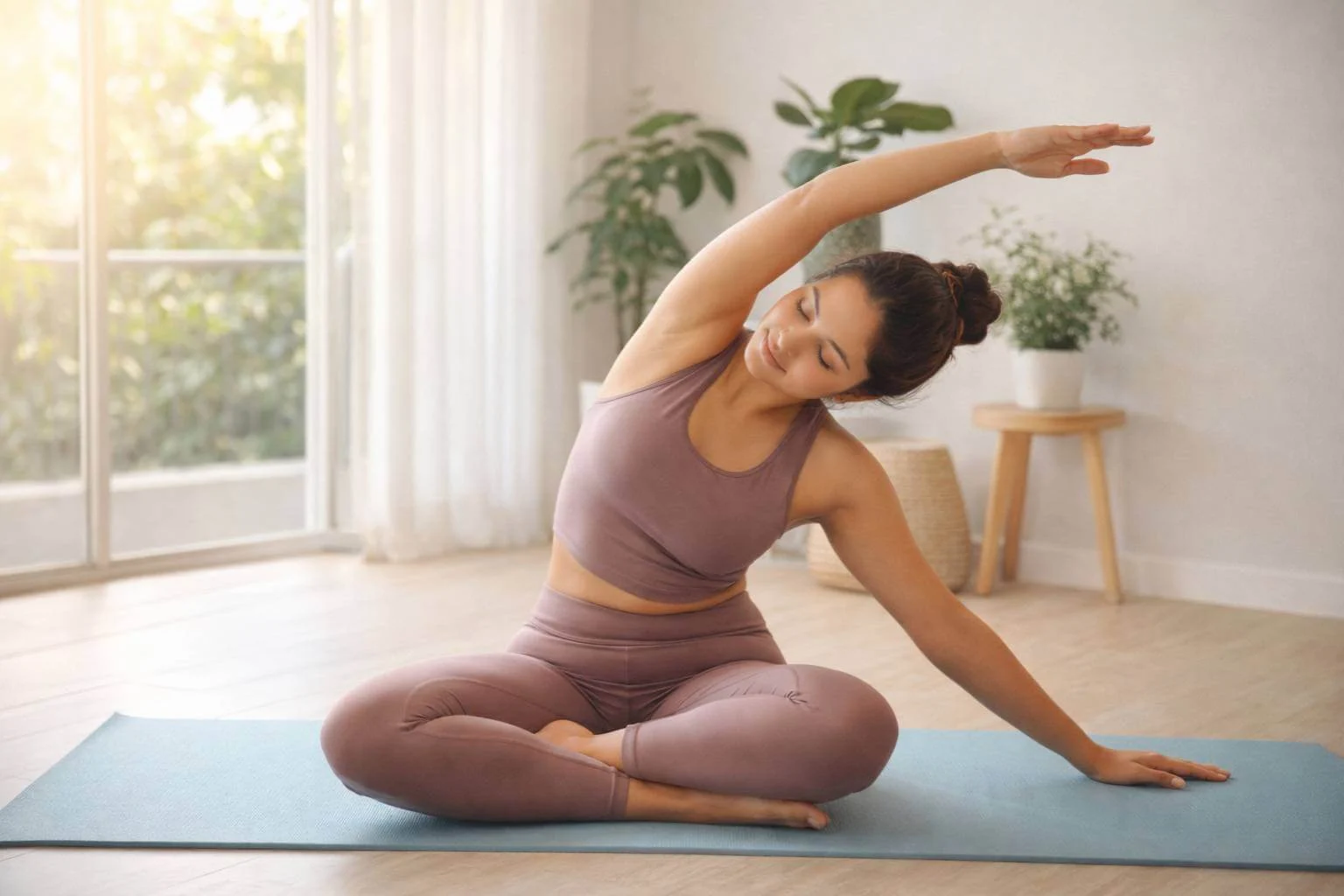
Yoga for piles has become increasingly popular as part of integrative treatment. Specific poses can improve digestion and circulation.
Pavanamuktasana (Wind-Relieving Pose)
Lie on your back, bring knees to chest. Massages abdominal organs and helps relieve gas/constipation.
Malasana (Garland Pose)
Deep squat with palms together. Strengthens pelvic floor and encourages proper bowel movement positioning.
Balasana (Child's Pose)
Kneel and fold forward. Relieves stress and improves blood flow to the pelvic region.
Shavasana (Corpse Pose)
Lie flat and breathe deeply. Crucial for stress reduction, which helps digestive health.
What Exercises Help Manage Piles?
Regular exercise improves circulation and promotes regular bowel movements.
- Walking: A brisk 20-30 minute walk daily stimulates bowel function.
- Swimming: Low-impact exercise that reduces pressure on veins.
- Kegel Exercises: Strengthens pelvic floor muscles to improve bowel control.
- Gentle Stretching: Improves flexibility and reduces stress.
What Is Integrative Treatment for Piles?
At Arka Anugraha Hospital, we believe in treating the whole person. Integrative treatment combines conventional medicine with complementary therapies:
Holistic Approaches
- Herbal Remedies: Triphala, horse chestnut, and psyllium husk may help (consult a doctor first).
- Lifestyle Modifications: Don't delay bowel movements, avoid prolonged sitting, and manage stress.
- Mind-Body Practices: Meditation and deep breathing to reduce stress hormones.
- Acupuncture/Acupressure: May improve circulation and reduce pain.
When Should I See a Doctor?
Seek medical attention if you experience:
- Persistent bleeding during bowel movements
- Severe pain not improving with home remedies
- A lump near your anus that's growing
- Changes in bowel habits lasting >1 week
At Arka Anugraha Hospital, we provide thorough diagnosis and appropriate treatment options ranging from conservative management to minimally invasive procedures.
Take Control of Your Piles Naturally
Living with piles doesn't have to mean constant discomfort. Start with these home remedies and lifestyle changes.
If you're experiencing persistent symptoms, visit Arka Anugraha Hospital in Bangalore. Our experienced team is here to support your journey to better digestive health.
Book Your Consultation Today