
How to Diagnose Piles: Understanding Tests, Examinations, and When to See a Doctor
Piles, also known as hemorrhoids, are a common health problem that affects millions of people worldwide. Many individuals feel embarrassed to talk about this condition, which often leads to delayed treatment and worsening symptoms. Understanding how to diagnose piles is the first step toward getting proper treatment and finding relief from discomfort.
At Arka Anugraha Hospital in Bangalore, we believe that knowledge empowers patients to make better health decisions. This comprehensive guide will help you understand the diagnosis process, what to expect during a piles examination, and when it's time to consult a doctor for piles.

What Are Piles and Why Is Early Diagnosis Important?
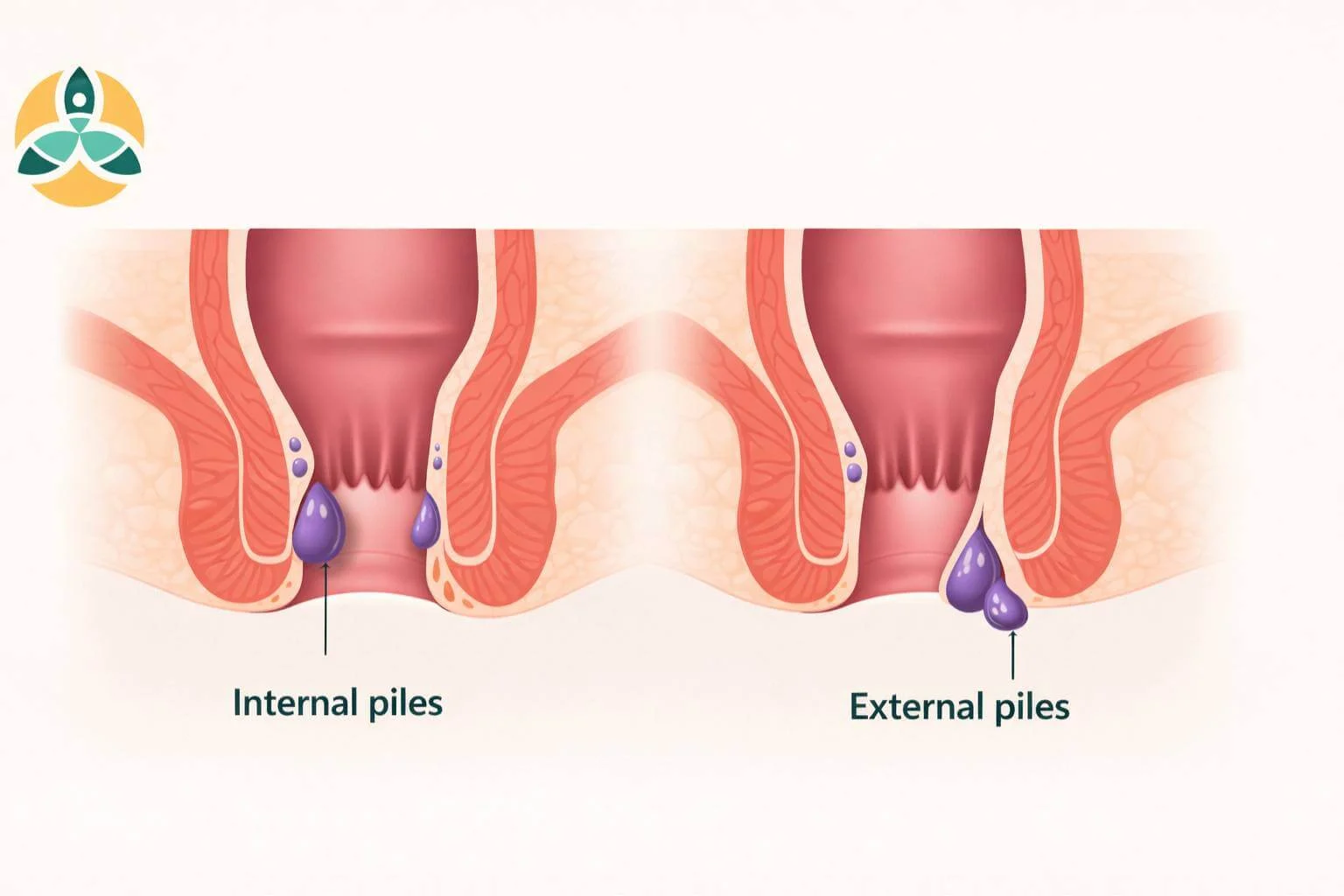
Piles are swollen blood vessels in and around the bottom area (rectum and anus). Early diagnosis is crucial because:
- It helps rule out other serious conditions with similar symptoms
- Treatment is more effective when piles are detected early
- You can prevent complications like severe bleeding or blood clots
- Early intervention reduces the risk of surgery
Common Symptoms That Indicate You Need a Check-Up
Before we discuss the diagnostic procedures, it's important to recognize the symptoms that suggest you might have piles:
Visible & Physical Signs
- Bright red blood on toilet paper
- A lump or swelling near your anus
- Pain or discomfort when sitting
- Itching or irritation
- Mucus discharge
Internal Symptoms
- Feeling of incomplete bowel emptying
- Discomfort during bowel movements
- Sensation of protrusion after passing stool
What Happens During a Piles Examination?
Understanding what happens during the diagnostic process can help reduce anxiety.
1. The Initial Consultation
The doctor will discuss your symptoms, bowel habits, diet, medical history, and medications. This helps them decide which tests are necessary.
2. Visual Inspection
The doctor will look at the area around your anus to check for external piles, skin tags, or other visible abnormalities.
3. Digital Rectal Examination (DRE)
A simple procedure where the doctor gently inserts a gloved finger to feel for internal piles. While it might sound uncomfortable, it is usually quick and causes minimal discomfort.
What Advanced Tests Are Used to Diagnose Piles?
Depending on your symptoms, your doctor might recommend additional tests:
Anoscopy
A small tube allows the doctor to see inside the anal canal to examine internal piles. It takes only a few minutes.
Proctoscopy
Similar to anoscopy but examines the rectum and lower colon to rule out other conditions.
Sigmoidoscopy
Examines the lower colon using a flexible tube. Used if bleeding is significant or cancer risk factors exist.
Colonoscopy
A comprehensive exam of the entire colon. Recommended for unexplained bleeding or routine cancer screening.
When Should You See a Doctor Immediately?
Seek urgent care if you experience:
- Heavy bleeding that doesn't stop
- Severe pain that suddenly gets much worse
- Fever along with pain in the anal area
- Dizziness or feeling faint
How to Prepare for Your Piles Test
Proper preparation makes your examination more effective:
- Write down all symptoms and medications
- Wear comfortable, loose-fitting clothing
- Follow any specific dietary instructions given by the hospital
- Be honest about your lifestyle and bathroom habits
Why Choose Arka Anugraha Hospital for Diagnosis?
Choosing the right facility matters. Our advantages include:
- Experienced Specialists: Highly qualified doctors for anorectal conditions.
- Modern Equipment: Latest technology for accurate diagnosis.
- Comfortable Environment: Designed for privacy and comfort.
- Comprehensive Care: Diagnosis, treatment, and follow-up under one roof.
Take the First Step Toward Relief
Don't suffer in silence. Early diagnosis leads to better outcomes and simpler treatments.
If you have concerns about your symptoms, reach out to Arka Anugraha Hospital today.
Book Your Consultation Now