
PCOs & PCOD Symptoms Explained: Understanding the Signs Your Body Is Showing
If you've been experiencing irregular periods, unexplained weight gain, or unusual hair growth, you might be wondering what's happening to your body. PCOD (Polycystic Ovarian Disease) and PCOS (Polycystic Ovary Syndrome) affect millions of women worldwide, yet many don't recognize the symptoms until the condition becomes more serious. At Arka Anugraha Hospital in Bangalore, we help women understand and manage these conditions every day.
This complete guide will explain all the pcod problem symptoms in simple terms, so you can recognize the warning signs and take action for your health.
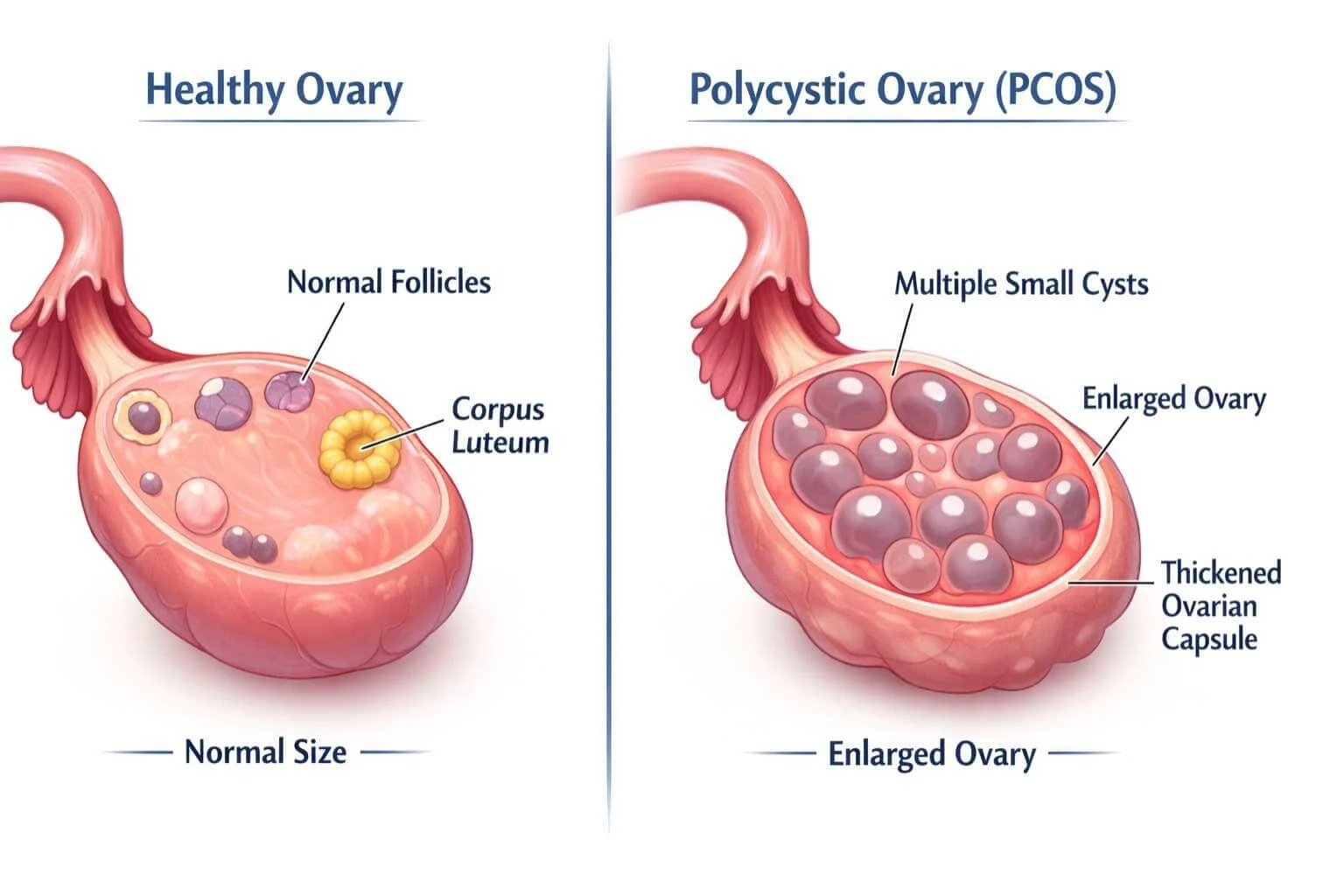
What Is PCOD and PCOS? Understanding the Difference
Before we talk about symptoms, let's understand what these conditions actually are.
- PCOD (Polycystic Ovarian Disease): Happens when ovaries produce immature eggs that turn into small cysts. This leads to hormonal imbalances.
- PCOS (Polycystic Ovary Syndrome): A more complex metabolic disorder affecting insulin processing and hormone regulation. It can lead to more serious health problems if untreated.
What Are the Main PCOD Problem Symptoms?
Understanding these symptoms is the first step toward getting help. Here are the most common signs:
Irregular or Missed Periods
- Late or skipped periods
- Very heavy bleeding
- Cycles longer than 35 days
- Periods lasting longer than 7 days
Changes in Menstrual Flow
- Black period blood: Indicates old blood taking longer to leave the uterus.
- Slower than normal menstrual flow.
The PCOS Belly (Weight Gain)
- Stubborn weight around the middle.
- Caused by insulin resistance.
- Difficult to lose with normal diet/exercise.
Unusual White Discharge
- Thicker discharge than usual.
- More frequent throughout the cycle.
- Note: Seek help if it smells bad or causes itching.
Pain and Discomfort in Your Lower Abdomen
Many women experience a dull ache, sharp pains, or pressure in the pelvic area. This happens because cysts can cause inflammation or grow larger. Do not ignore persistent pelvic pain.
How Do These Symptoms Affect Your Daily Life?
Living with undiagnosed PCOD can impact mental health. Women often report feeling self-conscious about weight gain, stressed about fertility, and frustrated when diet changes don't work immediately. Understanding that these are medical symptoms—not personal failures—is crucial.

What Other Symptoms Should You Watch For?
Skin and Hair Changes
- Persistent Acne (face, chest, back)
- Excess facial/body hair (Hirsutism)
- Thinning scalp hair
- Dark skin patches (neck, armpits)
Energy & Mood Changes
- Constant fatigue or "brain fog"
- Mood swings or irritability
- Anxiety or depression
- Sleep problems or sleep apnea
When Should You See a Doctor?
Don't wait until symptoms become severe. Visit Arka Anugraha Hospital if:
- Periods are irregular for more than 3 months
- You have severe pelvic pain
- You notice significant weight gain around the stomach
- You are having trouble getting pregnant
- You see consistent black period blood or excessive discharge
How Are PCOD and PCOS Diagnosed?
At Arka Anugraha Hospital, our doctors use several methods:
1. History & Exam
We review your menstrual history, symptoms, and check for physical signs like acne or hair growth.
2. Blood Tests
To check hormone levels (androgens), insulin, blood sugar, and thyroid function.
3. Ultrasound
To view the ovaries for cysts and check the uterine lining thickness.

Treatment Options Available
- Lifestyle Changes: Balanced diet, regular exercise, and stress management are the first line of defense.
- Medications: Birth control (to regulate periods), Metformin (for insulin resistance), or anti-androgens (for hair/acne).
- Fertility Support: If you are trying to conceive, specific medications can help restore ovulation.
Can You Get Pregnant with PCOD/PCOS?
Yes. Many women with PCOS get pregnant. Treatment significantly improves conception chances by restoring ovulation. We have helped many women achieve successful pregnancies at Arka Anugraha Hospital.
Living Well: Your Action Plan
- Track Symptoms: Keep a diary of your cycle, pain, and energy levels.
- Healthy Habits: Focus on whole foods, hydration, and 30 mins of exercise daily.
- Stay Educated: Understand your condition to make informed decisions.
Why Choose Arka Anugraha Hospital?
Located in Bangalore, we offer experienced gynecologists, advanced diagnostics, and personalized treatment plans. We provide compassionate care that respects your concerns.
Take the First Step Toward Better Health
PCOD and PCOS are manageable. The sooner you start treatment, the better your outcomes will be.
Contact Arka Anugraha Hospital today to schedule a consultation with our experienced gynecology team.
Book Your Consultation TodayFrequently Asked Questions
Can PCOS go away on its own?
It is a chronic condition, but symptoms can be managed very effectively with lifestyle changes and treatment.
Is the PCOS belly permanent?
No. With the right diet, exercise, and insulin management, the belly fat can be reduced.
Why do I have black period blood?
This is old blood that took longer to leave the uterus. It oxidizes and turns dark. It indicates hormonal imbalance.
Can I have PCOS with regular periods?
Yes. You can have regular periods but still have cysts, excess hair, or insulin resistance.