
PCOS Blood Test: Your Complete Guide to Tests, Scans and Diagnosis
Are you experiencing irregular periods, unexplained weight gain, or excessive hair growth? These could be signs of Polycystic Ovary Syndrome (PCOS), a common hormonal disorder affecting millions of women worldwide. Getting the right PCOS blood test is the first crucial step toward understanding your condition and finding the right treatment.
At Arka Anugraha Hospital in Bangalore, we understand how confusing and overwhelming PCOS diagnosis can feel. This guide will walk you through everything you need to know about PCOS testing in simple, easy-to-understand language.
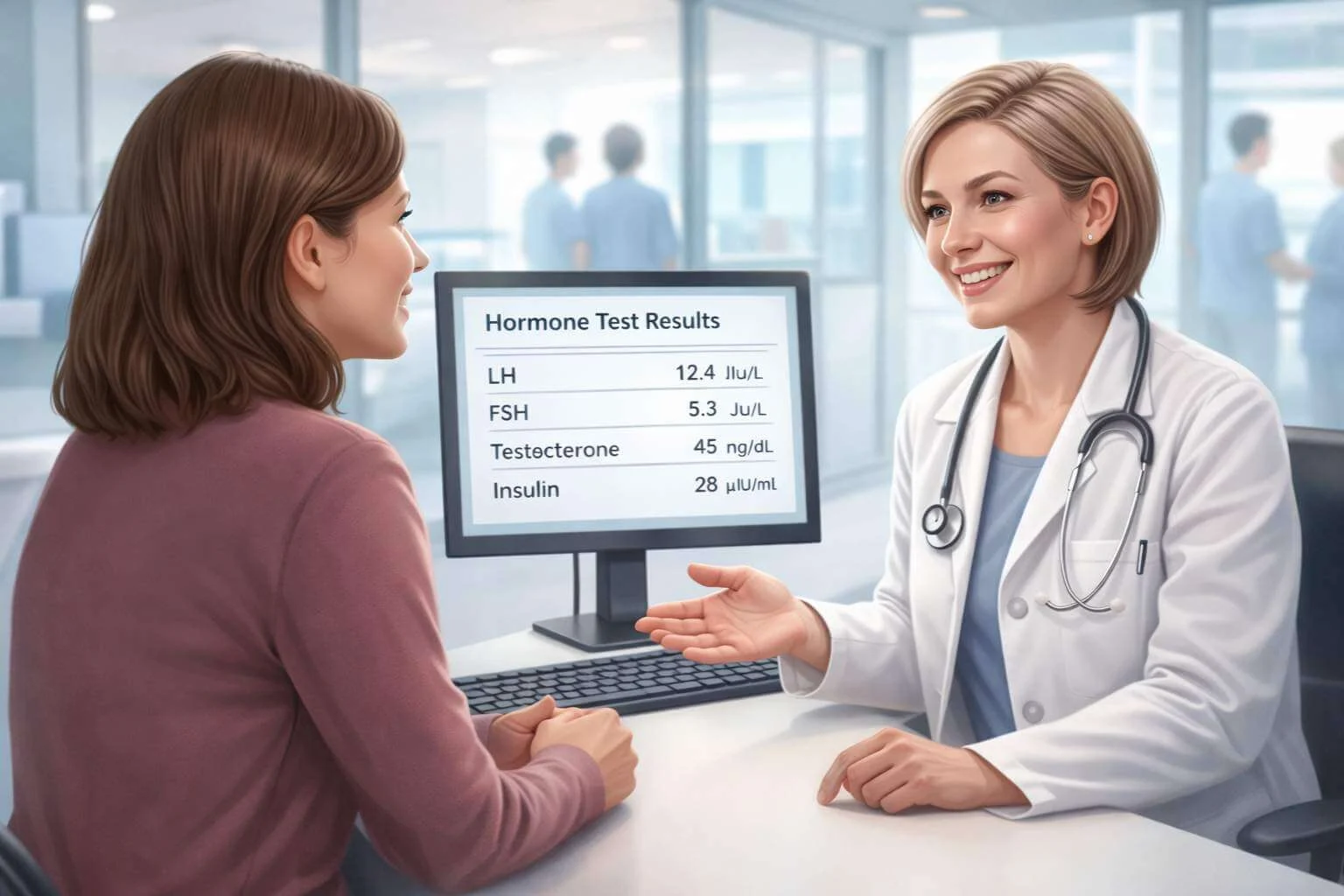
What Is PCOS Test and Why Do You Need It?
A "PCOS test" is actually a combination of blood tests, physical exams, and imaging scans. Think of it like putting together puzzle pieces. Each test provides info about your hormonal health, periods, fertility, and metabolism.
How to Check PCOD: The Diagnostic Process
Step 1: Medical History & Symptoms
Your doctor will ask about your periods, weight changes, hair growth, and family history.
Step 2: Physical Examination
Checking BMI, blood pressure, and visible signs like acne or excess hair.
Step 3: Blood Tests
Checking various hormone levels (fasting may be required).
Step 4: Ultrasound Scan
Imaging to look for cysts on ovaries.
PCOS Blood Test Name: Essential Tests
Here are the specific blood tests your doctor will likely order:
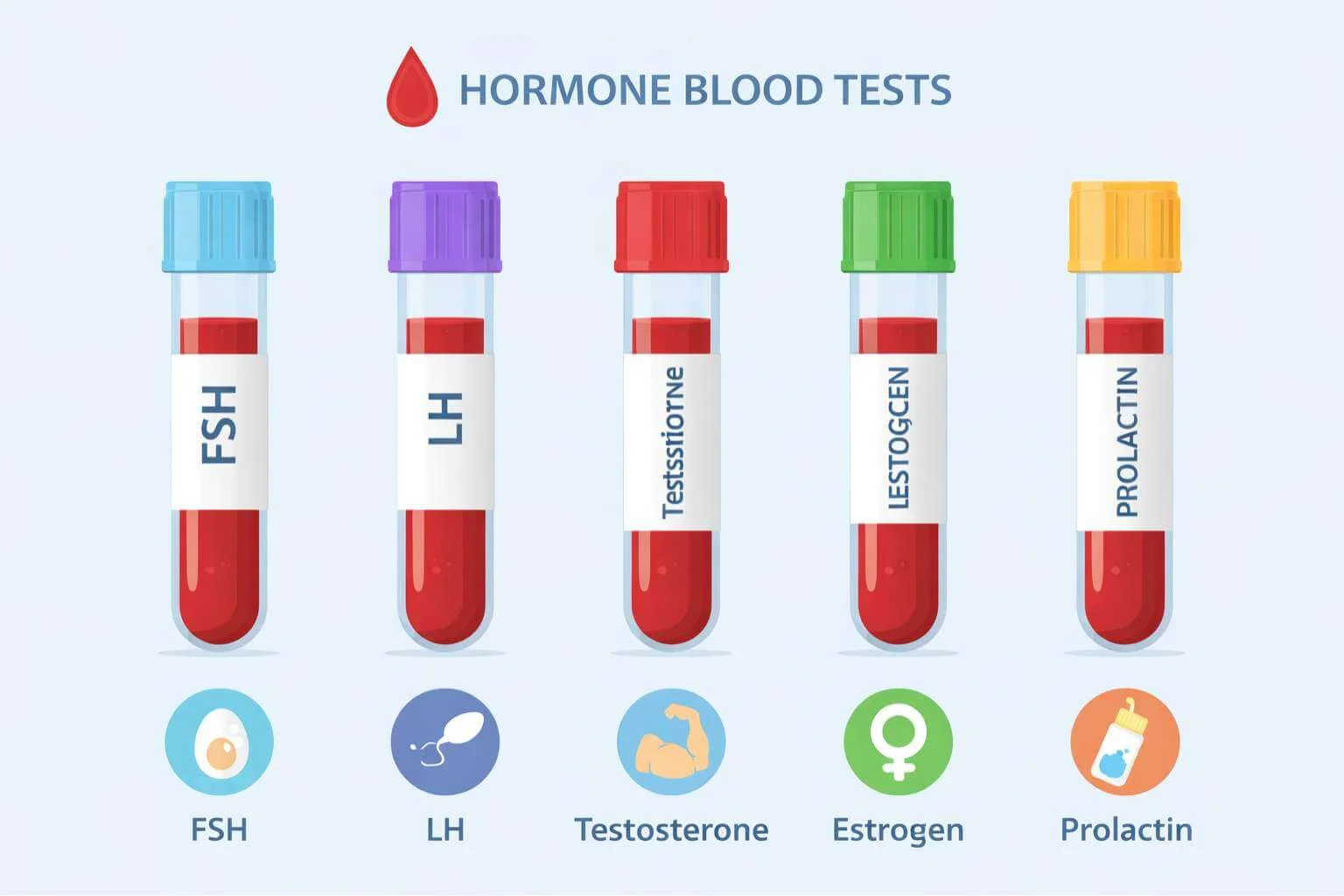
1. Androgen Levels (Male Hormones)
- Testosterone: Often elevated in PCOS.
- Free Testosterone: Measures active testosterone.
- DHEA-S: Another male hormone produced by adrenal glands.
2. Reproductive Hormones
- FSH (Follicle-Stimulating Hormone): Usually normal/low in PCOS.
- LH (Luteinizing Hormone): Often high. High LH:FSH ratio suggests PCOS.
- Progesterone: Low levels indicate lack of ovulation.
3. Metabolic Health
- Fasting Blood Sugar & HbA1c: Checks for diabetes/insulin resistance.
- Insulin Level: High insulin is common in PCOS.
- Lipid Profile: Checks cholesterol levels.
4. Other Important Tests
- TSH (Thyroid): To rule out thyroid issues which mimic PCOS.
- Prolactin: To rule out other causes of irregular periods.
In PCOS Which Hormone Imbalance Occurs?
Elevated Androgens: "Male hormones" turned up too high, causing acne and hair growth.
Insulin Resistance: Cells don't respond to insulin, causing high insulin levels which trigger more androgen production.
Imbalanced LH/FSH: High LH disrupts ovulation.
Understanding Your PCOD Scan Results
What Doctors Look For:
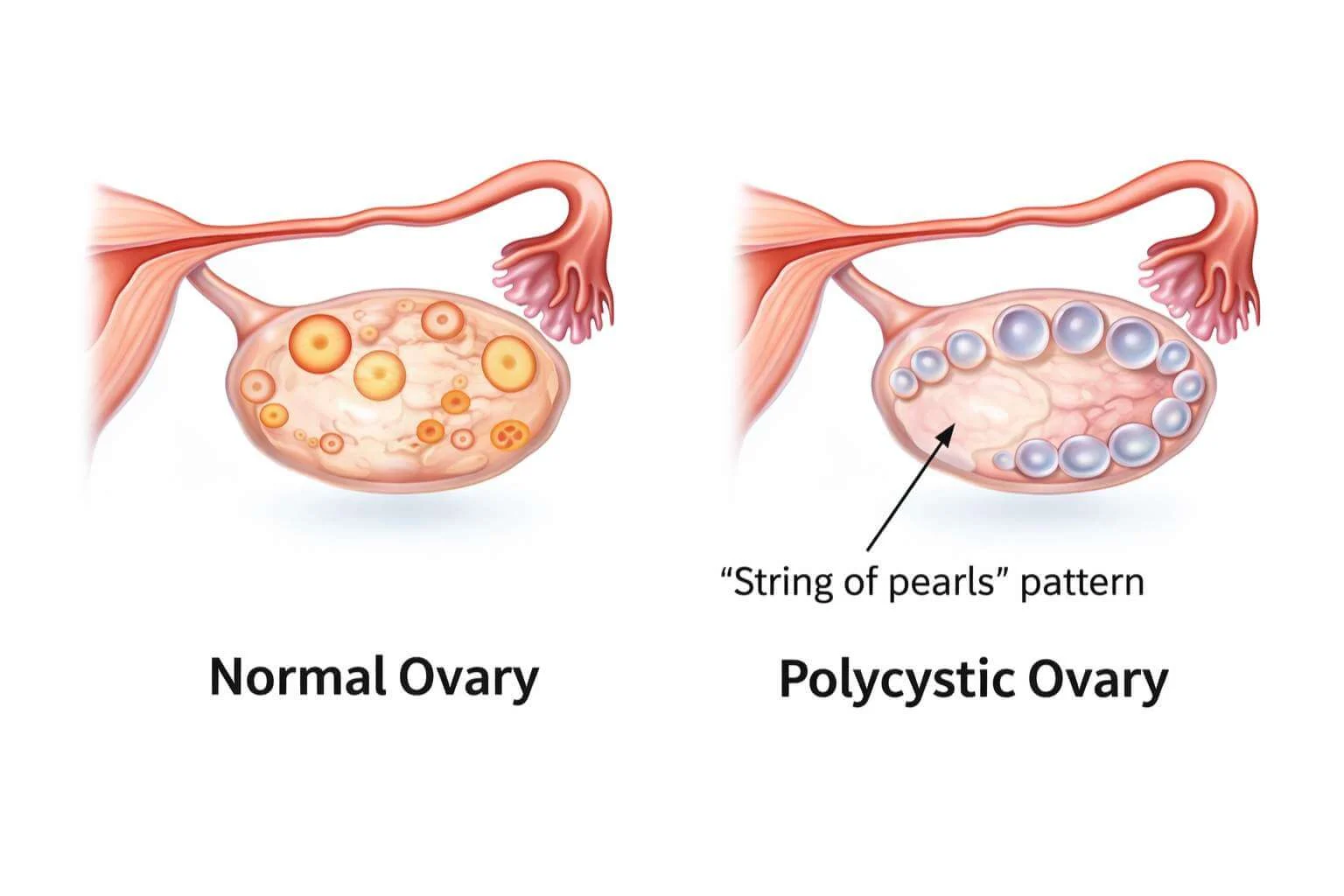
- Multiple Small Follicles: 12 or more immature eggs arranged like a "string of pearls" around the ovary edge.
- Enlarged Ovaries: Volume larger than normal.
Note: You can have PCOS without cysts, and cysts without PCOS. This is why blood tests are also needed.
When Should You Get Tested?
- Irregular or missed periods
- Difficulty getting pregnant
- Excess hair growth (face/body)
- Severe acne or oily skin
- Unexplained weight gain
- Thinning scalp hair
Why Choose Arka Anugraha Hospital?
We offer comprehensive care under one roof: diagnostics, expert specialists (gynecology, endocrinology), and personalized treatment plans including lifestyle guidance.
Frequently Asked Questions
Do I need to fast before the test?
Yes, usually for 8-12 hours for glucose and insulin tests. Water is allowed.
When is the best time to get tested?
Hormone tests are best done on day 2-5 of your period. If no periods, consult your doctor.
Can PCOS be cured?
It cannot be "cured" but is highly manageable with treatment, allowing for a healthy life.
Will PCOS affect fertility?
It can make conception harder, but with treatment (medication/lifestyle changes), most women with PCOS can get pregnant.
Take Control of Your Health Today
Early diagnosis prevents long-term complications. Don't wait to address your symptoms.
Contact Arka Anugraha Hospital in Bangalore today to schedule your PCOS evaluation.
Book Your Test Now