
Can a PCOS Patient Get Pregnant? Understanding Your Fertility Journey
If you have been diagnosed with Polycystic Ovary Syndrome (PCOS), you may be wondering: can a PCOS patient get pregnant? The good news is that yes, pregnancy is absolutely possible with PCOS. While this hormonal condition can make conception more challenging, thousands of women with PCOS successfully become mothers every year.
At Arka Anugraha Hospital in Bangalore, we understand your concerns and are here to guide you through every step of your fertility journey.

What Is PCOS and How Does It Affect Fertility?
PCOS is a hormonal disorder affecting 1 in 10 women. It disrupts ovulation, meaning your ovaries may not release eggs regularly. Without regular ovulation, timing intercourse is harder—but not impossible.
Can You Get Pregnant Naturally?
Yes. Studies show 70-80% of women with PCOS can conceive with proper management. It may take a bit longer (6-12 months), but patience and the right approach lead to success.
How to Get Pregnant with PCOD: Effective Strategies
There are proven strategies to improve fertility and increase chances of natural conception:
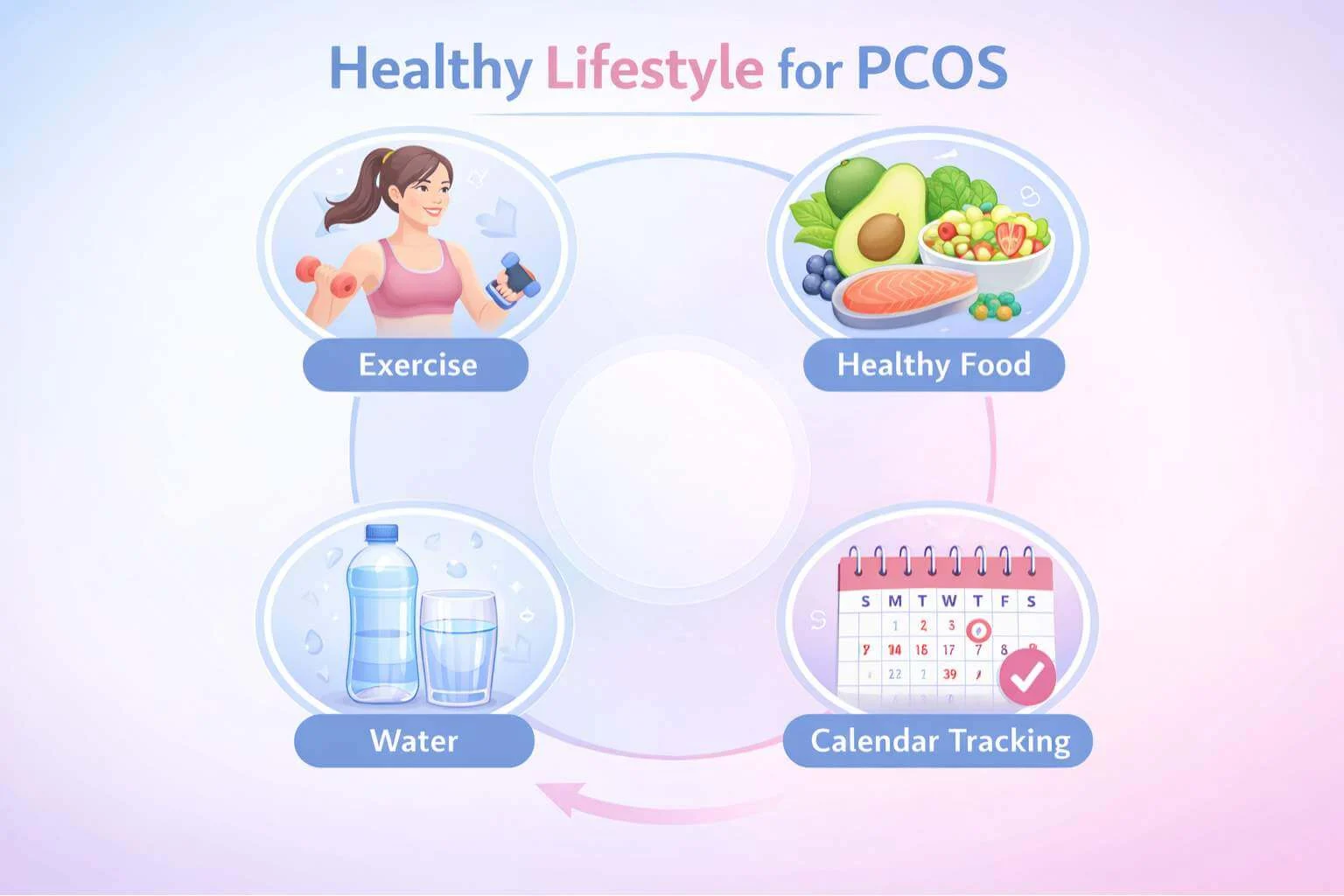
Weight Management
Losing just 5-10% of body weight can restore ovulation. It significantly improves hormone balance.
Physical Activity
Aim for 150 mins of moderate exercise (walking, yoga) per week to improve insulin sensitivity.
Stress & Sleep
Chronic stress disrupts hormones. Aim for 7-9 hours of sleep and practice stress-reduction techniques.
Track Ovulation
Use kits or track basal body temperature to identify your fertile window, even if cycles are irregular.
Medical Interventions for Conception
When lifestyle changes aren't enough, medical treatments can help restore ovulation:
1. Ovulation-Inducing Meds
Clomiphene Citrate (Clomid) or Letrozole stimulate ovaries to release eggs. Success rates are high.
2. Metformin
Ideally for insulin resistance. It improves the body's response to insulin, regulating cycles and ovulation.
3. Advanced Fertility Treatments
If meds fail, IUI (Intrauterine Insemination) or IVF (In Vitro Fertilization) are excellent options with high success rates for PCOS patients.
Diet and Nutrition for Fertility
Nutrition directly affects hormone levels. Here is a simple guide:
Eat This (Low GI)
- Whole grains (brown rice, oats)
- Leafy vegetables & lean proteins
- Anti-inflammatory foods (nuts, seeds, fatty fish)
- Tip: Eat regular meals to stabilize blood sugar.
Limit This
- Refined carbs (white bread, pastries)
- Sugary snacks & drinks
- Processed foods
- Excessive dairy (if sensitive)
Will PCOS Affect Pregnancy?
Most women with PCOS have healthy pregnancies. However, there are slightly higher risks for:
- Gestational Diabetes
- High Blood Pressure (Preeclampsia)
- Premature Delivery
Management: With regular monitoring at Arka Anugraha Hospital, these risks are manageable. We provide specialized care throughout your pregnancy.
When to Seek Professional Help?
If you have been trying to conceive for 6-12 months without success (or 6 months if over 35), consult a fertility specialist.
At Arka Anugraha Hospital, our team offers comprehensive evaluations and personalized plans.
Your Journey to Motherhood Starts Here
PCOS presents challenges, but it does not prevent pregnancy. With expert care, most women with PCOS become mothers.
Contact Arka Anugraha Hospital in Bangalore today to schedule a consultation with our fertility specialists.
Book Your Appointment Now