
Understanding the Symptoms of Piles: A Complete Guide to Early Detection and Treatment
Introduction
Piles, also known as hemorrhoids, are swollen blood vessels in the lower part of the rectum and anus. These can cause discomfort and pain for many people. Understanding the symptoms of piles is the first step toward getting proper treatment and relief. At Arka Anugraha Hospital in Bangalore, we help many patients recognize and treat piles at different stages.
This guide will help you understand what piles are, how to recognize the early symptoms, and when to seek medical help. We use simple language so everyone can understand these important health topics.
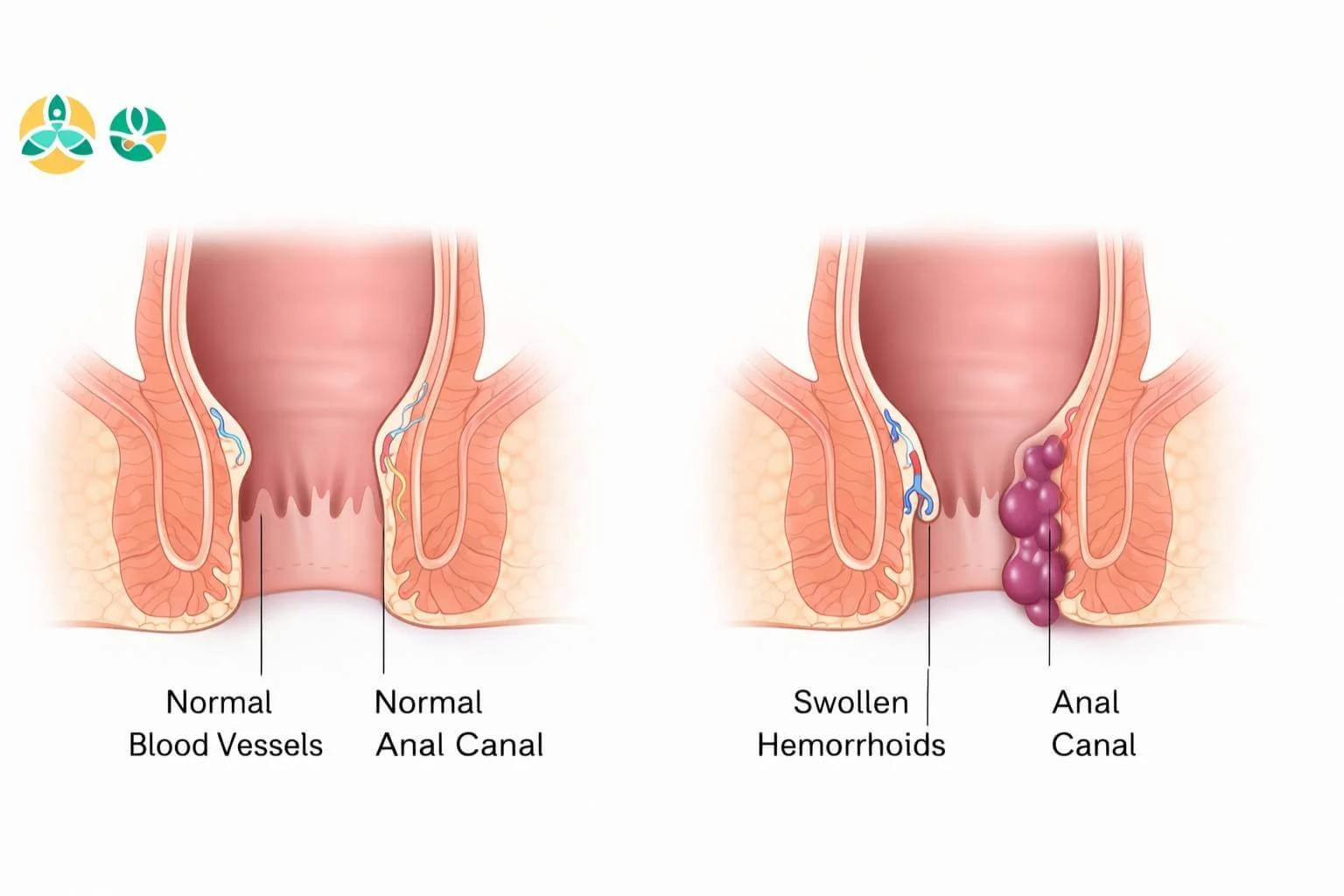
What Are Piles?
Piles occur when the blood vessels around your anus or lower rectum become swollen and inflamed. Think of them like varicose veins, but they happen in your bottom area. These swollen blood vessels can develop inside the rectum (internal piles) or under the skin around the anus (external piles).
Many people develop piles at some point in their lives. They are very common, especially in people between 45 and 65 years old. However, younger people can also get them.
Why Do Piles Develop?
Several factors can cause piles to develop:
- Straining during bowel movements
- Sitting on the toilet for long periods
- Chronic constipation or diarrhea
- Being overweight or obese
- Pregnancy and childbirth
- Following a low-fiber diet
- Heavy lifting on a regular basis
- Aging, which weakens the supporting tissues
What Are the Main Symptoms of Piles?
Recognizing the symptoms of piles early can help you get treatment sooner and prevent the condition from getting worse. Let's look at the most common signs.
Bleeding During or After Bowel Movements
One of the most common symptoms of piles is seeing bright red blood on toilet paper, in the toilet bowl, or on the surface of your stool. This bleeding usually happens because the swollen blood vessels get damaged during bowel movements.
The blood from piles is typically bright red because it comes from the lower part of your digestive system. This is different from darker blood, which might come from higher up in the intestines and could indicate other health problems.
Many people first notice piles when they see blood after using the bathroom. While this can be scary, bleeding from piles is usually not dangerous. However, you should always tell your doctor about any bleeding to make sure nothing more serious is happening.
Pain and Discomfort
Pain is another key symptom of piles. The type and level of pain can vary depending on whether you have internal or external piles.
- External piles, which form under the skin around the anus, are usually more painful. You might feel a sharp pain when sitting down, during bowel movements, or even when walking. The pain can range from mild discomfort to severe pain that affects your daily activities.
- Internal piles typically do not cause pain because the inside of the rectum does not have many pain-sensing nerves. However, if internal piles become large and push outside the anus (called prolapsed piles), they can become quite painful.
Itching and Irritation
Itching around the anal area is a very common symptom of piles. This happens because:
- Mucus from the piles can leak out and irritate the skin
- The area stays moist, which can cause itching
- The swollen tissue can make proper cleaning difficult
This itching can be constant or come and go. It often feels worse after bowel movements or when sitting for long periods. Many people find this itching very frustrating because it can be difficult to get relief.
Lumps or Swelling
You might feel lumps or bumps around your anus. These lumps can be small like a pea or large like a grape, soft or firm to touch, tender or not painful, and single or multiple.
- External piles appear as lumps you can feel or see around the outside of the anus. These might become more noticeable when you sit down or during bowel movements.
- Internal piles usually cannot be felt unless they become large or prolapse (push out through the anal opening).
A Feeling That Your Bowels Are Not Empty
Some people with piles feel like they still need to pass stool even after they have finished using the bathroom. This feeling happens because the swollen tissue makes the rectum feel full.
This symptom can lead to straining, which actually makes piles worse. It creates a difficult cycle where the symptom itself causes behavior that worsens the condition.
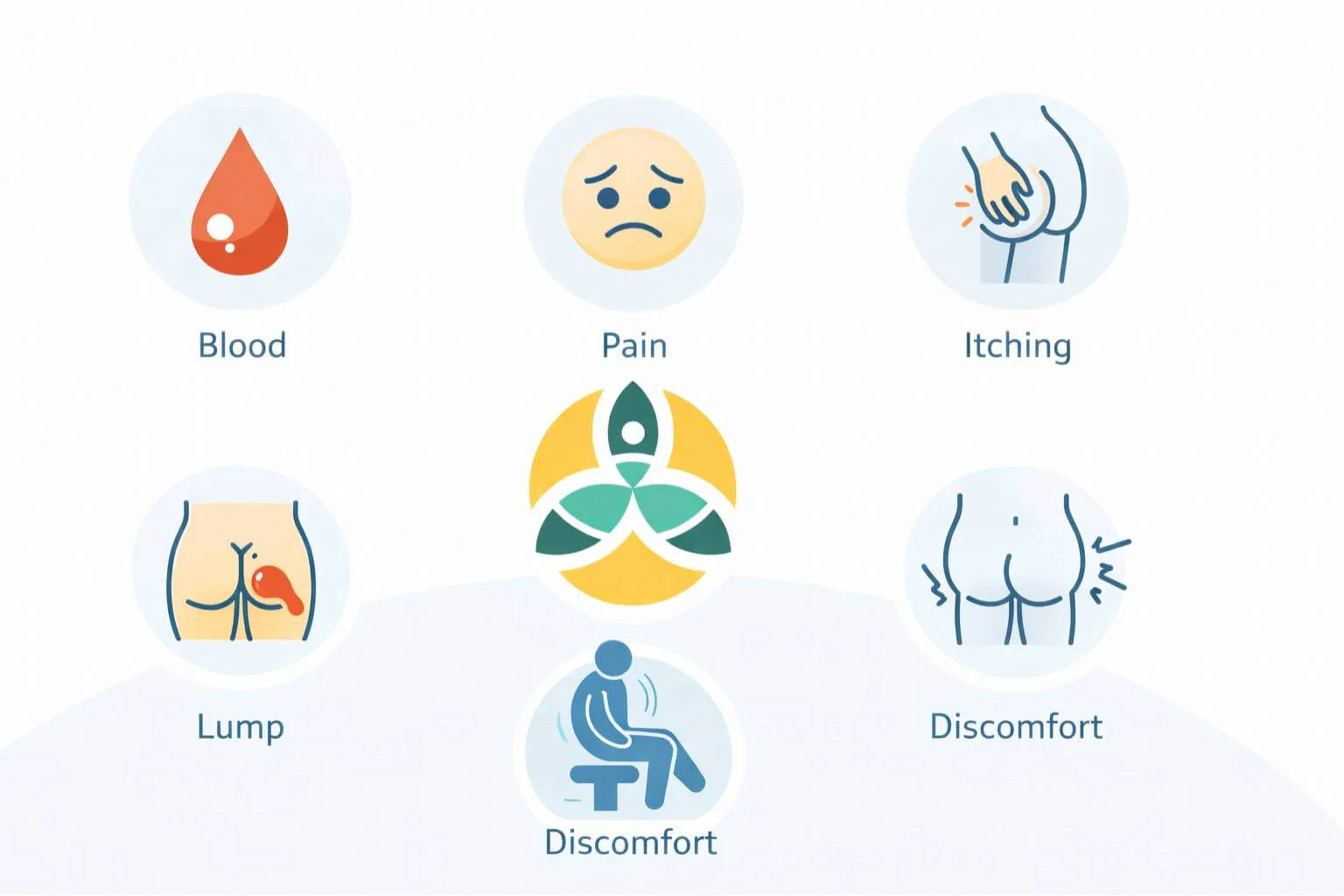
Early Symptoms of Piles: Catching Them Early
Recognizing early symptoms of piles can help you start treatment before the condition becomes more serious. Early stage piles are much easier to treat and often respond well to simple home remedies and lifestyle changes.
What Are the Very First Signs?
The earliest symptoms of piles are often mild and easy to miss. These include:
- Slight discomfort during bowel movements
- Small amounts of bright red blood on toilet paper
- Mild itching around the anus
- A sense of fullness in the rectal area
- Occasional pain when sitting for long periods
At this early stage, many people ignore these symptoms or think they will go away on their own. While some cases do improve without treatment, it is better to address the problem early.
Why Is Early Detection Important?
Catching piles early offers several benefits:
- First, early stage piles respond much better to conservative treatments like dietary changes, increased water intake, and over-the-counter creams. You might avoid the need for medical procedures.
- Second, treating piles early prevents them from progressing to more advanced stages where symptoms become more severe and treatment more complex.
- Third, early treatment helps you avoid complications like blood clots in external piles (thrombosed hemorrhoids), which can be extremely painful.
When Should You See a Doctor?
You should consult a doctor if you experience any of these signs:
- Bleeding during bowel movements, even if small amounts
- Symptoms that do not improve after a week of home treatment
- Severe pain that interferes with daily activities
- Lumps around the anus that are growing or changing
- Any changes in your bowel habits that last more than a few days
At Arka Anugraha Hospital in Bangalore, our doctors can examine you and determine the best treatment plan for your condition.
First Stage of Piles Symptoms: Understanding Grade I Hemorrhoids
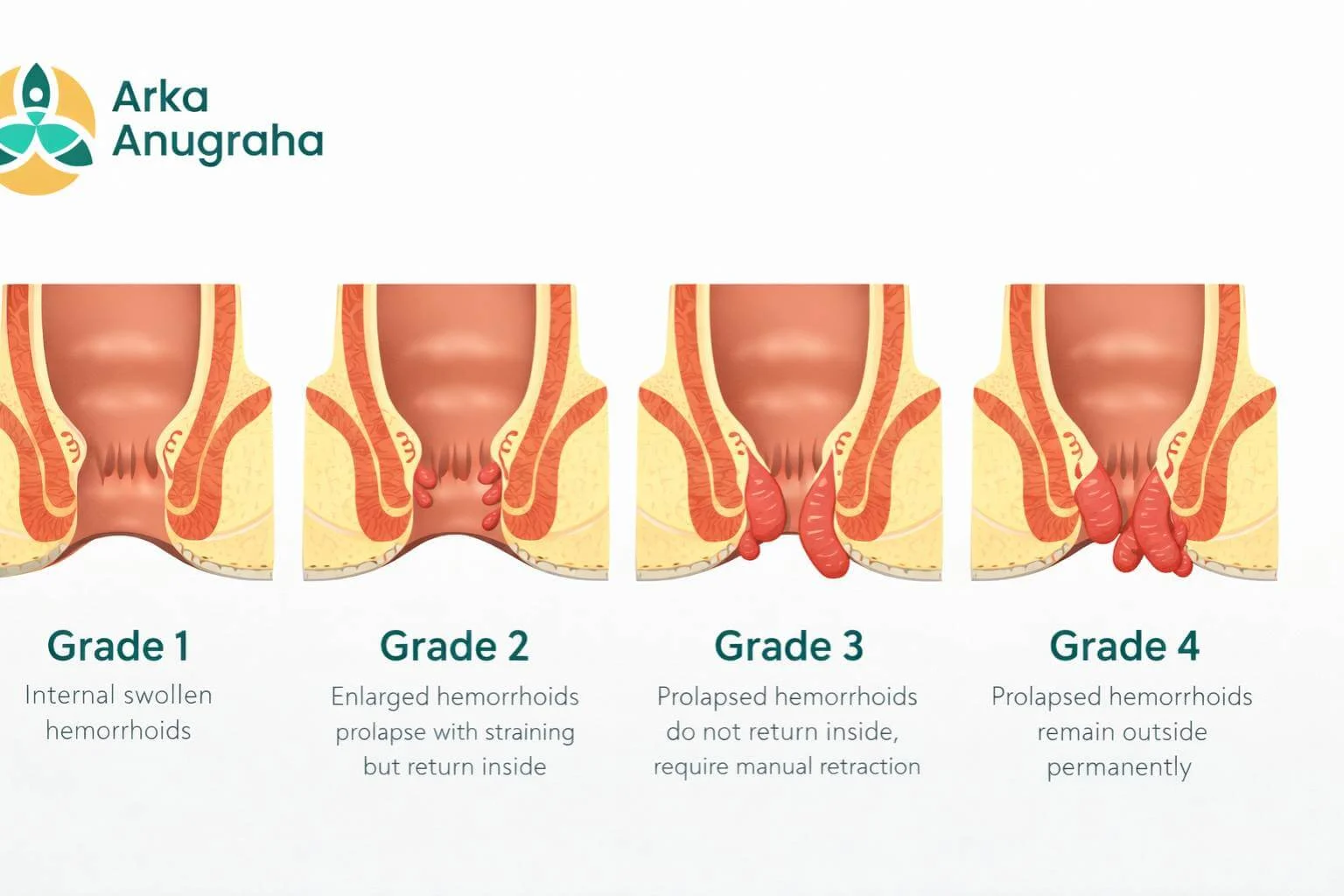
Doctors classify piles into four stages or grades based on their severity. Understanding the first stage of piles symptoms helps you know what to expect and when to seek treatment.
What Happens in Stage 1 Piles?
In the first stage, piles are small swellings inside the anal canal. They do not come out of the anus. These are called Grade I hemorrhoids. The symptoms at this stage are usually mild:
- Small amounts of bleeding during or after bowel movements
- Minimal discomfort or pain
- Slight itching
- No visible lumps outside the anus
Stage 1 piles might not cause any symptoms at all. Some people only discover they have them during a routine medical examination.
How Are Stage 1 Piles Different From Later Stages?
Stage 1 piles are the mildest form. In later stages:
Stage 2
Piles may push out during bowel movements but go back in on their own.
Stage 3
Piles push out and need to be pushed back in manually.
Stage 4
Piles stay outside the anus permanently.
The good news is that Stage 1 piles usually respond very well to simple treatments and lifestyle changes. Many people can prevent progression to later stages by making changes early.
Treatment for First Stage Piles
If you catch piles at stage 1, treatment focuses on eating more fiber, drinking plenty of water, avoiding straining, using over-the-counter creams, and warm baths. These simple measures can help the piles shrink and prevent them from getting worse.
Piles Symptoms in Male Patients: What Men Should Know
While piles affect both men and women, there are some aspects of piles symptoms in male patients that are worth understanding.
Are Piles Symptoms Different in Men?
The basic symptoms of piles are the same in men and women. However, men might be more likely to develop piles due to certain lifestyle factors such as heavy lifting, sedentary jobs, or delaying medical help.
Common Concerns for Men With Piles
- Work and Physical Activity: Men who do physical labor or heavy lifting might find piles symptoms more troublesome. The straining and pressure from lifting can make symptoms worse.
- Exercise and Sports: Active men often wonder if they need to stop exercising. In most cases, moderate exercise actually helps prevent and manage piles. However, heavy weightlifting might need to be modified.
- Sitting for Long Hours: Men with desk jobs or who drive for long periods often experience worse symptoms. Taking breaks to stand and walk can help.
When Men Should See a Doctor
Men sometimes delay seeing a doctor about piles because of embarrassment. However, early treatment is important. You should definitely see a doctor if bleeding continues, pain interferes with work, or lumps are growing. Remember, doctors treat piles every day. There is nothing to be embarrassed about.
How Do Symptoms Progress Over Time?
Natural Progression Without Treatment
If left untreated, piles can gradually worsen. Early on, you might only notice occasional bleeding. Eventually, internal piles might start to prolapse. In advanced cases, piles can remain permanently prolapsed, causing constant discomfort.
Factors That Make Symptoms Worse
Certain things can make piles symptoms worse, including constipation, diarrhea, pregnancy, prolonged sitting, being overweight, low fiber diet, and heavy lifting.
What Other Conditions Can Look Like Piles?
Not all rectal bleeding or anal pain is caused by piles. Several other conditions can have similar symptoms:
Anal Fissures
These are small tears in the lining of the anus causing bright red bleeding and sharp pain during bowel movements.
Inflammatory Bowel Disease
Conditions like Crohn's disease or ulcerative colitis can cause rectal bleeding, abdominal pain, diarrhea, and weight loss.
Colorectal Polyps or Cancer
While less common, these serious conditions can also cause rectal bleeding. Warning signs include dark stools, unexplained weight loss, and changes in bowel habits. A doctor can perform proper examinations to determine the exact cause.
Diagnosis: What to Expect at Arka Anugraha Hospital
If you visit Arka Anugraha Hospital in Bangalore for piles symptoms, the doctor will ask about your medical history and perform a physical examination. This might include a visual inspection and a digital rectal examination.
For some patients, additional tests like Anoscopy, Sigmoidoscopy, Colonoscopy, or blood tests might be recommended to ensure the correct diagnosis and rule out other conditions.
Treatment Options Available at Arka Anugraha Hospital
At Arka Anugraha Hospital in Bangalore, we offer comprehensive treatment for piles, from conservative management to advanced surgical options.
Conservative Treatments
For mild to moderate piles, we often start with dietary and lifestyle changes, medications like creams or stool softeners.
Minimally Invasive Procedures
For piles that do not respond to conservative treatment, we offer procedures like Rubber Band Ligation, Sclerotherapy, and Infrared Coagulation. These are typically done in the clinic without general anesthesia.
Surgical Options
For large or severe piles, surgery might be the best option. We offer Hemorrhoidectomy, Stapled Hemorrhoidopexy, and advanced Laser Treatment which is less painful and has faster recovery times.
Prevention and Living With Piles
To prevent piles or their recurrence, focus on dietary habits like eating high-fiber foods and staying hydrated. Maintain good bathroom habits, exercise regularly, avoid prolonged sitting, and maintain a healthy weight.
If you are living with piles, manage symptoms with warm sitz baths, cold packs, over-the-counter pain relievers, and wearing loose clothing. Dealing with piles can be frustrating, but talking to your doctor helps ensure the best treatment.
When to Seek Emergency Care
While piles are rarely a medical emergency, you should seek immediate medical attention if you experience severe, constant pain, heavy bleeding that does not stop, dizziness, or signs of infection like fever.
Why Choose Arka Anugraha Hospital?
Located in Bangalore, we offer expert medical teams, comprehensive diagnostic facilities, a range of treatment options, and patient-centered care. If you are experiencing any symptoms of piles, contact Arka Anugraha Hospital today to schedule a consultation.
Early treatment leads to better outcomes and faster relief from discomfort.
Book Your Appointment Now