
Understanding the Causes of Piles: What You Need to Know
Piles, also known as hemorrhoids, are swollen blood vessels in and around the bottom area. They can cause discomfort, pain, and bleeding during bowel movements. Many people feel embarrassed to talk about this condition, but it is actually very common. Understanding what causes piles is the first step toward prevention and effective treatment.
At Arka Anugraha Hospital in Bangalore, we see many patients dealing with piles. The good news is that knowing the causes and risk factors can help you take steps to prevent this uncomfortable condition. In this blog, we will explain the main causes of piles in simple terms that everyone can understand.
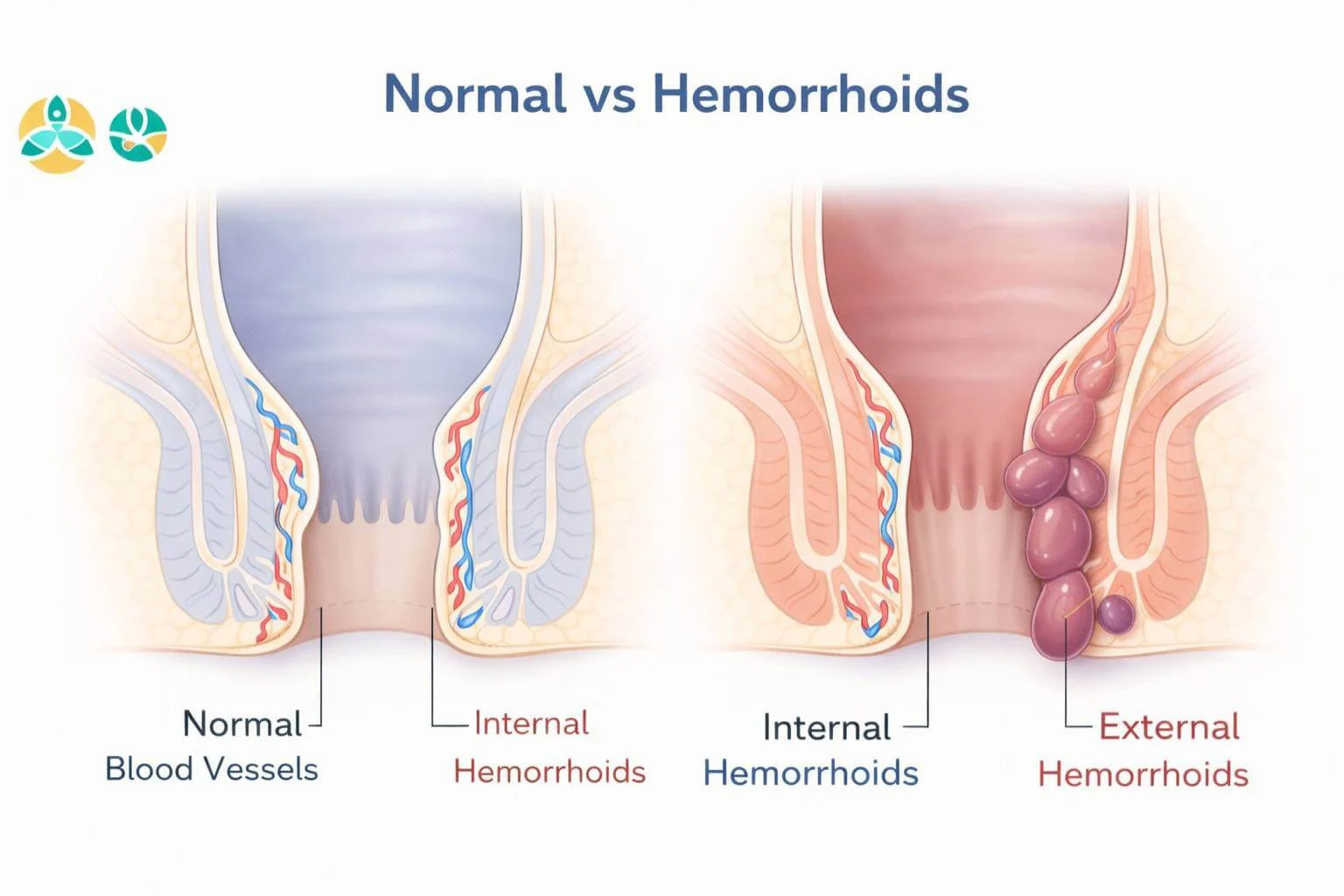
What Are Piles or Hemorrhoids?
Before we discuss what causes piles, let us understand what they are. Piles are cushions of tissue and blood vessels located in the anal canal. Everyone has these cushions, but when they become swollen or inflamed, they cause problems. There are two types of piles:
- Internal Piles: These develop inside the rectum and are usually not visible. They may cause bleeding but are often painless.
- External Piles: These form under the skin around the anus. They can be felt and seen, and they often cause pain and itching.
What Causes Piles? The Main Triggers
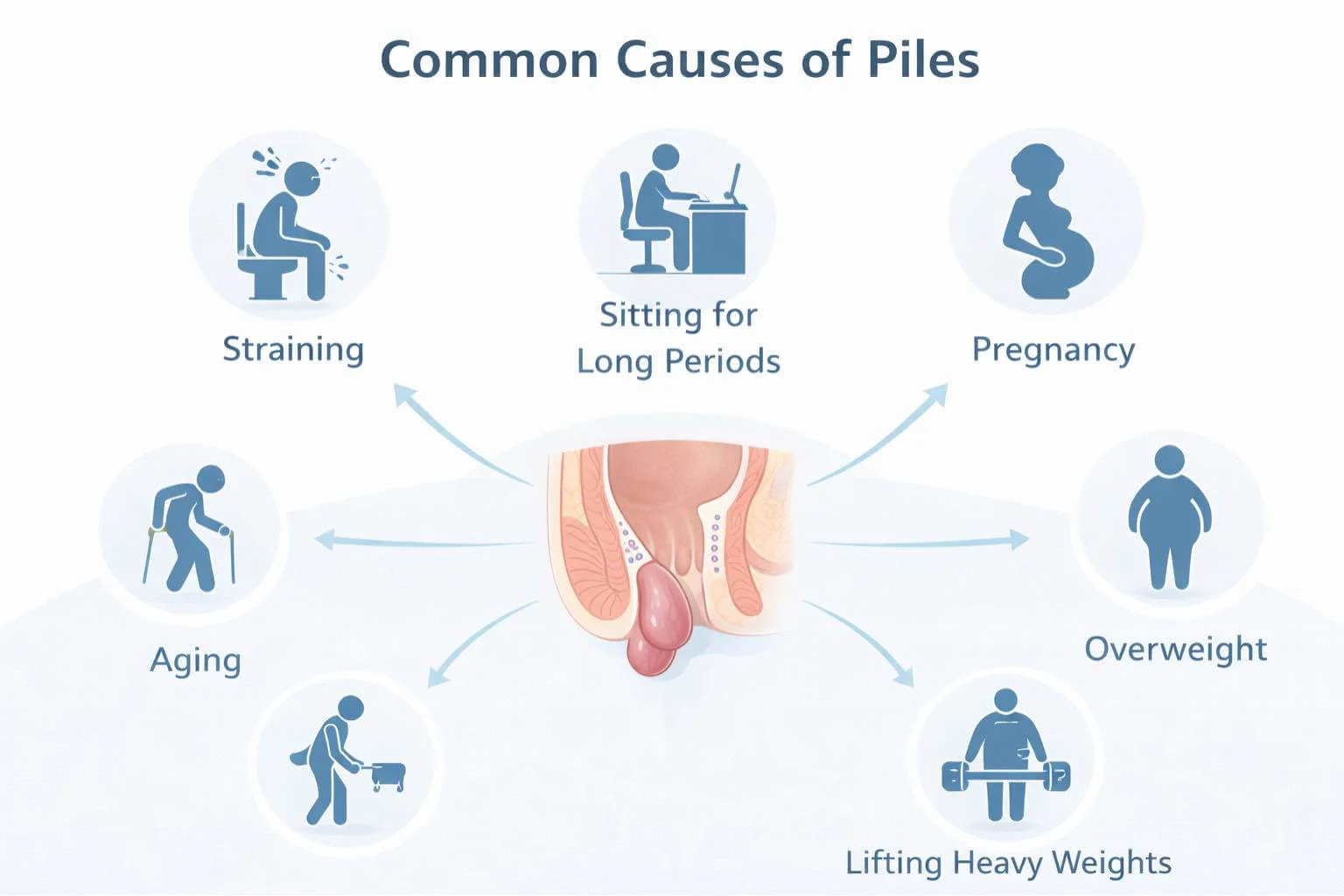
The primary cause of piles is increased pressure on the blood vessels in the lower rectum and anus. This pressure causes the vessels to swell and stretch. Several factors can create this pressure:
Chronic Constipation and Straining
One of the most common causes of piles is constipation. When you have hard stools, you need to strain during bowel movements. This straining puts enormous pressure on the blood vessels in your anal area. Over time, this repeated pressure causes the vessels to swell and become piles.
Sitting for Long Hours
In today's world, many people have desk jobs that require sitting for eight hours or more each day. When you sit for extended periods, gravity pulls blood downward into the pelvic region. This increases pressure on the veins in your lower rectum and anus.
Pregnancy and Childbirth
Pregnancy is a major cause of piles in females. During pregnancy, the growing baby puts pressure on the veins in the pelvic area. Additionally, hormonal changes can cause the blood vessel walls to relax, making them more likely to swell.
Obesity and Excess Weight
Carrying extra weight, especially around the abdomen, puts continuous pressure on the pelvic floor and rectal veins. The more weight you carry, the greater the pressure on these blood vessels.
Heavy Lifting and Strenuous Activities
Regularly lifting heavy objects, whether at work or during exercise, can cause piles. When you lift something heavy, you tend to hold your breath and strain. This creates pressure in your abdomen and pushes blood into the pelvic veins.
Chronic Diarrhea
While constipation is a well-known cause, chronic diarrhea can also lead to piles. Frequent bowel movements and the urgency associated with diarrhea can irritate and inflame the blood vessels in the anal area.
Aging and Weakening Tissues
As we age, the tissues that support the veins in our rectum and anus can weaken and stretch. This natural aging process makes older adults more prone to developing piles.
What Causes Piles in Females? Understanding Gender-Specific Factors
Hormonal Changes During Menstrual Cycle
Women experience hormonal fluctuations throughout their menstrual cycle. Hormonal changes can affect digestion and bowel movements, leading to temporary constipation that can contribute to piles.
Pregnancy-Related Factors
Pregnancy is one of the leading piles causes in females. Increased blood volume, hormonal changes, pressure from the growing uterus, and constipation create multiple risk factors.
Pelvic Floor Weakness After Childbirth
Childbirth can weaken the pelvic floor muscles that support the rectum. This weakening can make women more susceptible to piles even years after giving birth.
What Causes Piles in Males? Male-Specific Risk Factors
Occupational Heavy Lifting
Men are more likely to work in jobs that require frequent heavy lifting, such as construction or warehouse work. The repeated straining and pressure from lifting heavy objects day after day take a toll on rectal veins.
Intense Weight Training and Bodybuilding
Lifting very heavy weights, especially during exercises like squats and deadlifts, creates significant intra-abdominal pressure. When performed with improper breathing, these exercises can contribute to piles.
Prolonged Toilet Sitting
Many men have a habit of spending extended time on the toilet, often reading or using phones. This prolonged sitting position puts continuous pressure on the anal area.
Additional Risk Factors for Developing Piles
- Low-Fiber Diet: Lack of fiber leads to hard stools and straining.
- Inadequate Water Intake: Dehydration makes stools harder and drier.
- Sedentary Lifestyle: Physical inactivity slows down digestion.
- Family History: Genetics play a role in blood vessel strength.
- Chronic Coughing: Increases intra-abdominal pressure.
- Liver Conditions: Liver disease can increase pressure in intestinal veins.
How Can You Prevent Piles? Simple Lifestyle Changes
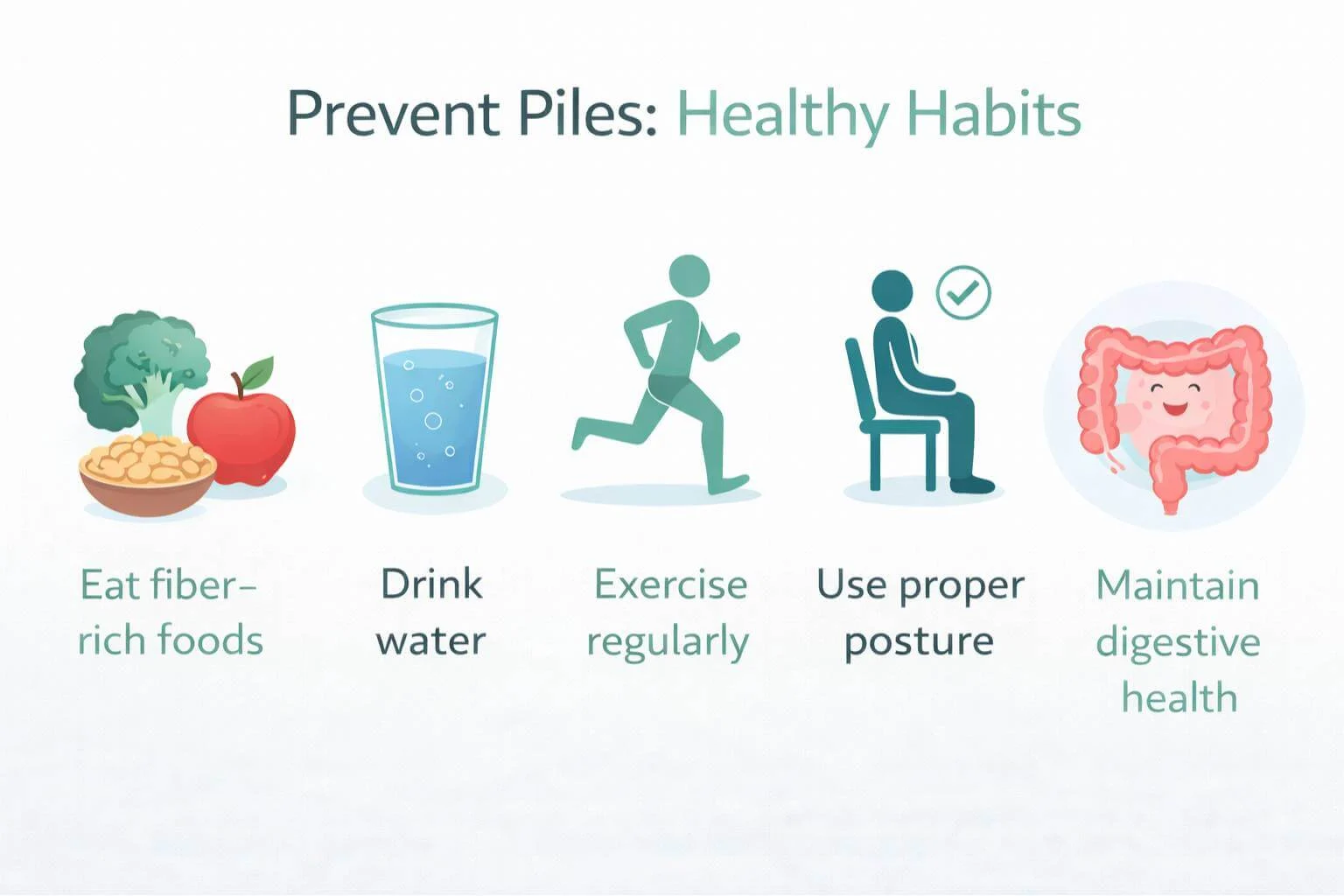
Most cases of piles can be prevented by making healthy lifestyle choices:
- Eat a High-Fiber Diet: Include plenty of fruits, vegetables, and whole grains.
- Drink Plenty of Water: Aim for 8-10 glasses daily.
- Exercise Regularly: Moderate activity for 30 minutes daily.
- Do Not Ignore the Urge: Go to the bathroom immediately when needed.
- Avoid Straining: Never force a bowel movement.
- Limit Toilet Time: No more than 5 minutes on the toilet.
- Maintain a Healthy Weight: Reduces pressure on pelvic veins.
- Use Proper Lifting Techniques: Bend knees and keep back straight.
When Should You See a Doctor About Piles?
You should visit a doctor if you experience:
- Bleeding during bowel movements for more than a week
- Severe pain not improved by OTC treatments
- Piles that don't improve after a week of home care
- A lump that is growing or changing
- Symptoms interfering with daily activities
It is important to remember that rectal bleeding can also be a sign of other conditions. Always get checked by a professional.
Comprehensive Piles Treatment at Arka Anugraha Hospital
We understand that piles can be uncomfortable. Our experienced team provides compassionate care with a full range of treatment options, from conservative management to advanced surgical procedures.
If you have concerns about piles, the caring team at Arka Anugraha Hospital in Bangalore is here to help.
Book Your Consultation Today