
Understanding Anxiety and Crying: Why Your Emotions Feel Out of Control
Have you ever found yourself crying without any reason and felt confused about what's happening? You're not alone. Many people experience unexpected tears and emotional outbursts, often linked to anxiety and emotional changes. At Arka Anugraha Hospital in Bangalore, we help hundreds of patients understand and manage these overwhelming feelings every month.
Anxiety and crying are more connected than most people realize. When your mind is under constant stress, your body finds different ways to release that pressure, and crying is one of the most natural responses.

What Is Anxiety and How Does It Affect Your Emotions?
Anxiety is your body's natural alarm system. Think of anxiety like a smoke alarm. A smoke alarm is helpful when there's actually a fire, but imagine if it went off every time you made toast. That's what happens with anxiety disorders – your alarm system becomes too sensitive and reacts to everyday situations.
Emotional Changes
- Feeling sad or hopeless for no reason
- Getting irritated very easily
- Feeling empty or numb
- Sudden mood swings
Why We Cry
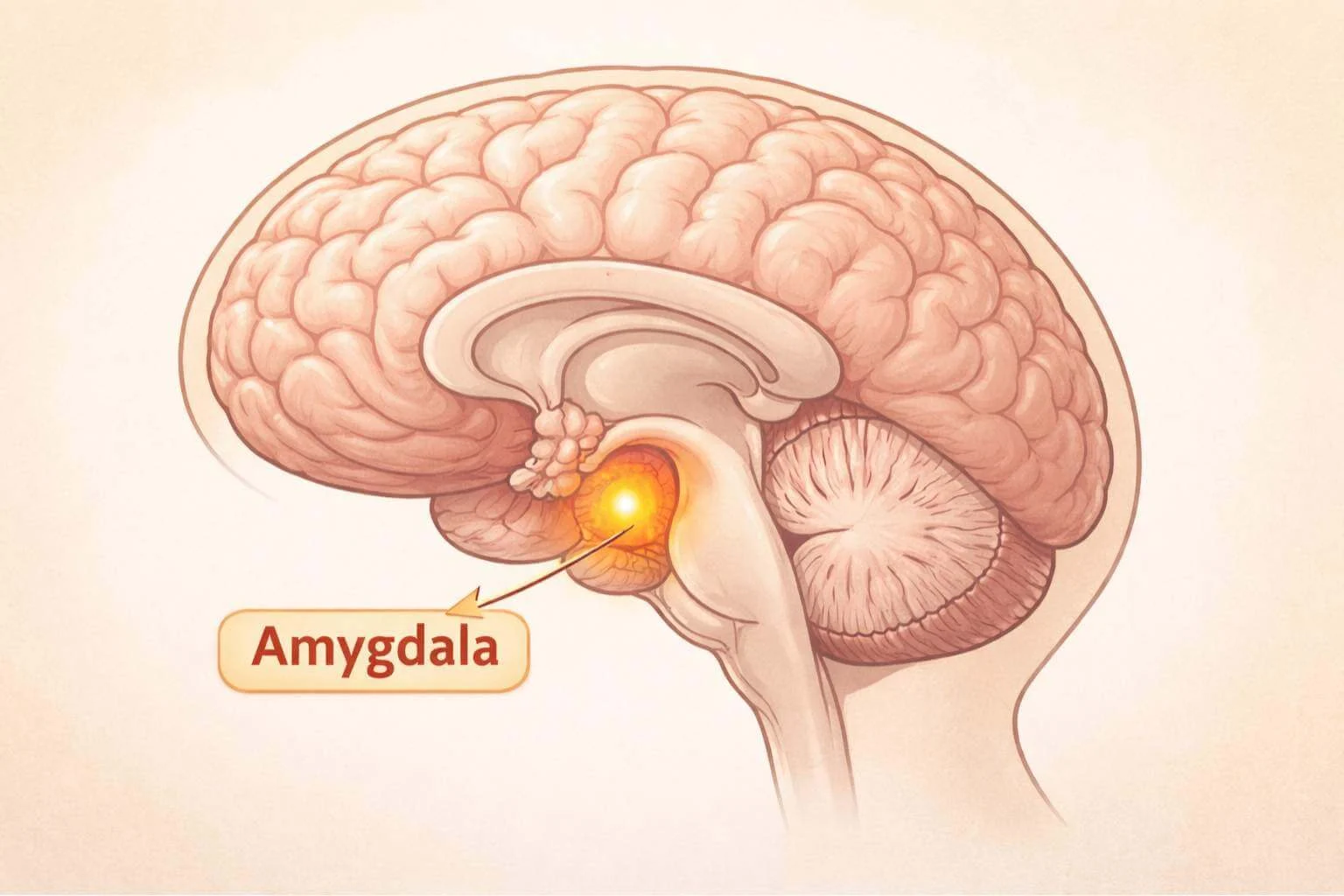
Your brain's amygdala (emotional center) becomes overactive. Crying releases stress hormones like cortisol, literally flushing chemicals out of your body to provide relief.
Physical Reasons You Might Cry
- Muscle Tension: Tightness in jaw/neck triggers tears.
- Shallow Breathing: Changes blood oxygen levels, affecting emotions.
- Sleep Problems: Fatigue weakens emotional control.
- Hormone Imbalance: Chronic anxiety affects mood-regulating hormones.
Is Crying Without Reason Normal?
Normal Stress Response
- Occasional crying during stressful weeks
- Stops after a few minutes
- You feel relieved afterwards
- Happens less than once/twice a week
Sign of a Problem
- Crying daily or multiple times a day
- Cannot stop once started
- Interferes with work/relationships
- You feel worse after crying
Other Symptoms to Watch For
Emotional
Constant worry, restlessness, trouble concentrating, irritability, feeling disconnected.
Physical
Headaches, stomach pain, tight chest, rapid heartbeat, sweating, dizziness.
Behavioral
Avoiding places, sleep issues, appetite changes, social withdrawal.
When to Seek Professional Help
Please schedule an appointment if:
- Crying persists for more than two weeks
- You have trouble with work or school
- You are using substances to cope
- You have physical symptoms like chest pain
- Immediate Help: If you have thoughts of harming yourself.

What to Expect at Arka Anugraha Hospital
- Initial Consultation: Confidential, judgment-free discussion.
- Assessment: Simple questionnaires to understand severity.
- Physical Exam: Rule out thyroid or hormonal issues.
- Treatment Plan: Personalized mix of therapy, medication, or lifestyle changes.
Treatments That Help
- Talk Therapy (CBT): Identifies and replaces negative thought patterns.
- Medication: Anti-anxiety meds or antidepressants (if prescribed).
- Lifestyle: Exercise, sleep hygiene, healthy diet, and limiting caffeine.
Quick Relief Techniques
1. Deep Breathing: Inhale for 4 counts, hold for 2, exhale for 6. Repeat 10 times.
2. 5-4-3-2-1 Grounding: Name 5 things you see, 4 you touch, 3 you hear, 2 you smell, 1 you taste.
3. Journaling: Let thoughts flow onto paper to process emotions.
Types of Anxiety & Age Groups
Anxiety manifests differently in Children (stomachaches, clinginess), Adults (work stress, tension), and Seniors (health concerns). Hormonal changes (Menstrual cycle, Pregnancy, Thyroid) also play a massive role.
Supporting a Loved One
✅ Do This
- Listen without judgment
- Offer physical comfort
- Be patient
- Maintain normal routines
❌ Avoid This
- Don't say "Just calm down"
- Don't minimize their feelings
- Don't pressure them to talk
- Don't suggest they are weak
Frequently Asked Questions
Is crying every day a sign of anxiety or depression?
It can indicate either or both. Frequent tears often signal emotional overwhelm needing professional evaluation.
Can anxiety make you cry for no reason at night?
Yes. Fewer distractions at night allow the mind to wander, and fatigue lowers emotional defenses.
Will medication stop me from crying?
It won't stop crying entirely but can reduce the frequency of overwhelming episodes by managing the underlying anxiety.
How long does treatment take?
Most people see improvement within 4-6 weeks, though individual journeys vary. Consistency is key.
You Don't Have to Struggle Alone
Experiencing anxiety and crying without reason is frightening, but it is a treatable medical condition. Thousands of people regain control of their emotions with the right support.
Contact Arka Anugraha Hospital in Bangalore today to schedule your consultation.
Book Your Appointment Now