
What Can Cause Lower Back Pain in a Woman? Understanding the Root Causes
Lower back pain is one of the most common health complaints among women today. If you've ever wondered "what can cause lower back pain in a woman," you're not alone. At Arka Anugraha Hospital in Bangalore, we see hundreds of women each month seeking relief from this uncomfortable condition.
The truth is, lower back pain in females can stem from many different sources—some unique to women's bodies and others shared with men. In this comprehensive guide, we'll explore the most common reasons using simple language that anyone can understand.
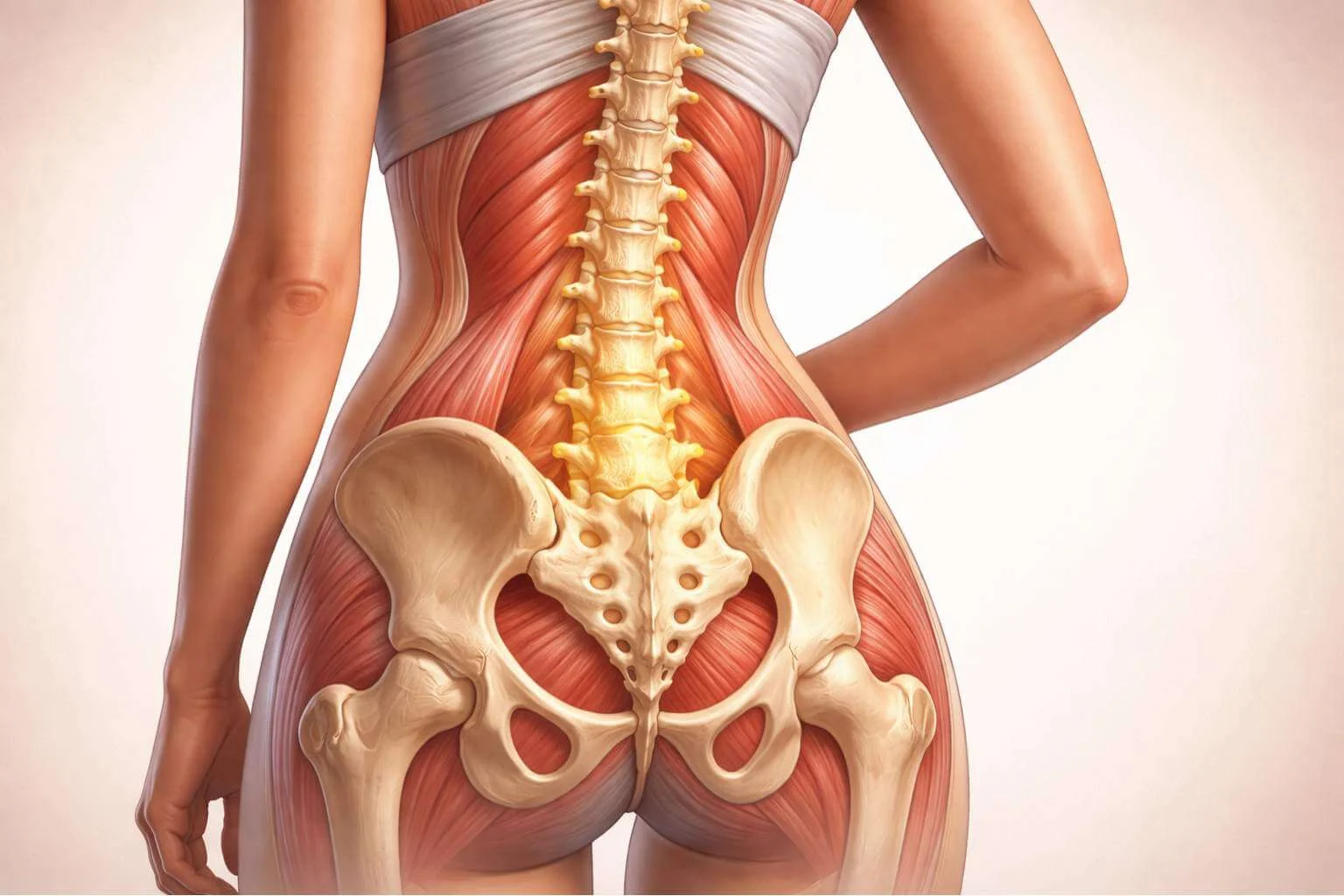
Why Are Women More Prone to Back Pain?
Women's bodies experience unique changes through life stages like menstruation, pregnancy, and menopause. Additionally, biological differences in pelvic shape and generally lower muscle mass in the core compared to men can make the female spine more vulnerable to strain.
Top 10 Causes of Lower Back Pain in Women
Here are the most common reasons we encounter:
1. Hormonal Changes
Menstruation: Chemicals called prostaglandins cause uterine contractions, which can radiate pain to the lower back.
2. Pregnancy
Weight & Shift: A growing belly shifts your center of gravity forward, straining the back. The hormone 'relaxin' also loosens ligaments.
3. Poor Posture
"Tech Neck": Slouching at desks or looking down at phones puts constant stress on the spine.
4. Weak Core
Lack of Support: Your core is a natural corset. If abdominal muscles are weak, the back takes all the load.
5. High Heels
Alignment Shift: Heels force your back to arch unnaturally to maintain balance, causing chronic strain.
6. Endometriosis
Internal Cause: Uterine tissue growing outside the uterus can cause severe pelvic pain that radiates to the back.
7. Osteoporosis
Bone Health: Post-menopause, lower estrogen leads to brittle bones, risking vertebral fractures.
8. Muscle Strain
Injury: Improper lifting, sudden twists, or carrying heavy bags are common culprits.
9. Stress
Tension: Mental stress causes physical muscle tightening, particularly in the shoulders and lower back.
10. Weight
Excess Load: Extra weight around the midsection pulls the pelvis forward, straining the lower back.
When Should You See a Doctor?
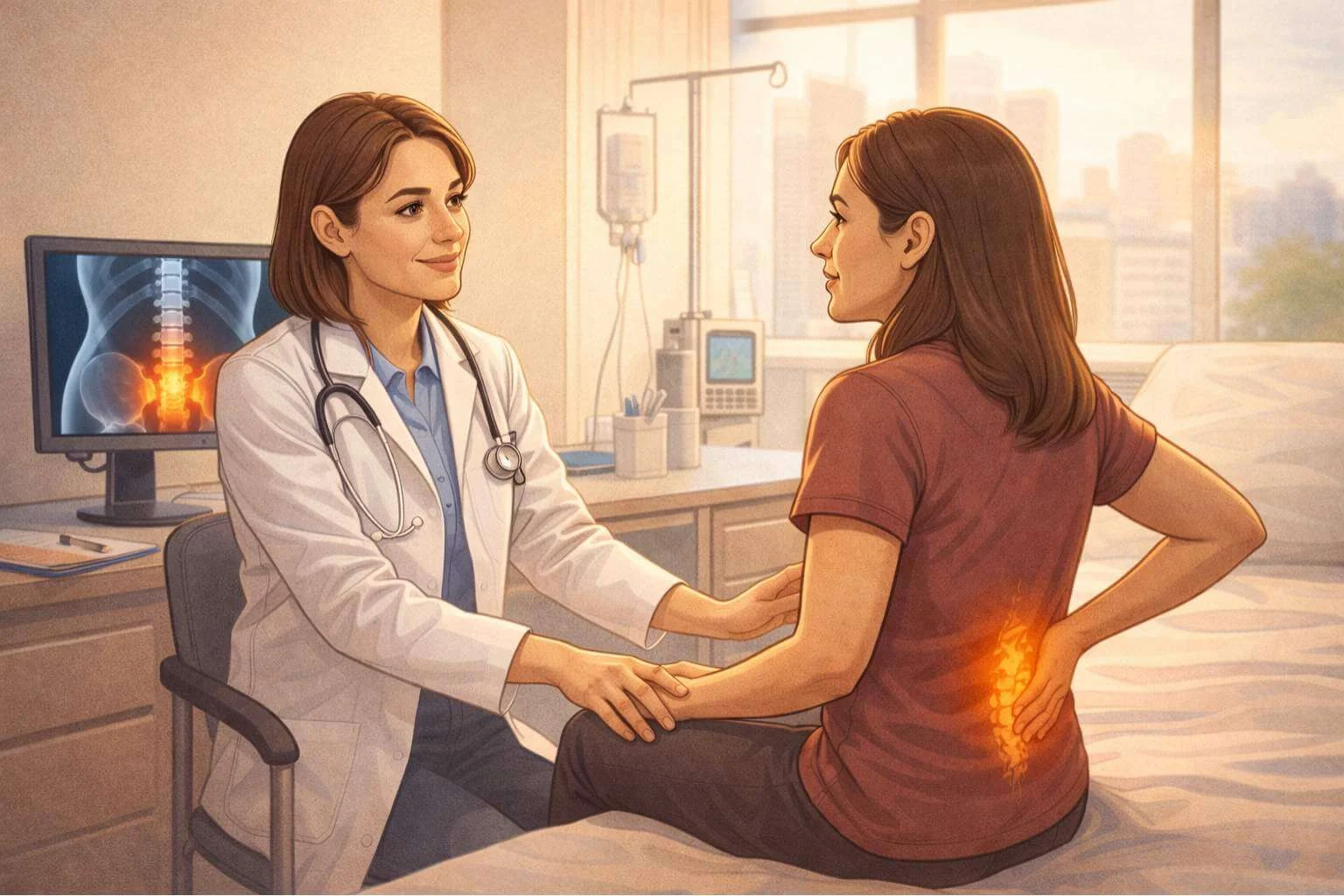
While rest helps minor pain, seek immediate medical attention at Arka Anugraha Hospital if:
- Pain is accompanied by numbness or tingling in legs.
- You have fever or unexplained weight loss.
- You experience loss of bladder or bowel control (Emergency).
- The pain started after a fall or injury.
- Pain gets progressively worse despite rest.
Prevention & Exercises
Prevention: Maintain good posture, lift with your knees (not your back), wear supportive shoes, and manage stress.
Best Exercises:
- Pelvic Tilts: Strengthens lower abs.
- Cat-Cow Stretch: Improves spine flexibility.
- Bridges: Strengthens glutes and core.
- Walking: Low impact and highly effective.

Holistic Health: Diet & Mind
Diet: Anti-inflammatory foods (fatty fish, nuts, leafy greens) and Calcium/Vitamin D are crucial for bone health.
Mental Health: Chronic pain causes stress, and stress worsens pain. Techniques like meditation and quality sleep are vital components of recovery.
Frequently Asked Questions
Can hormones really cause back pain?
Yes. Hormonal fluctuations during menstruation, pregnancy, and menopause affect muscle tension and ligament stability.
How long does lower back pain usually last?
Acute pain from muscle strain usually improves in 2-4 weeks. Pain lasting over 12 weeks is considered chronic.
Is it normal to have back pain during my period?
Yes, due to prostaglandins. However, severe pain interfering with life may indicate endometriosis.
Take Control of Your Back Health
Don't let back pain control your life. Our multidisciplinary team at Arka Anugraha Hospital combines orthopedic, gynecological, and physiotherapy expertise to treat the whole person.
Book Your Consultation Today