
Kidney Stone Causes & Risk Factors Explained
Have you ever experienced sudden, sharp pain in your back or side? It could be a kidney stone. Kidney stones are hard deposits that form inside your kidneys, and they affect millions of people worldwide every year. Understanding the causes of kidney stones is the first step toward preventing these painful formations.
At Arka Anugraha Hospital in Bangalore, we help countless patients deal with kidney stones. In this detailed guide, we will explain what causes kidney stones, who is at higher risk, and most importantly, how you can protect yourself from developing them.
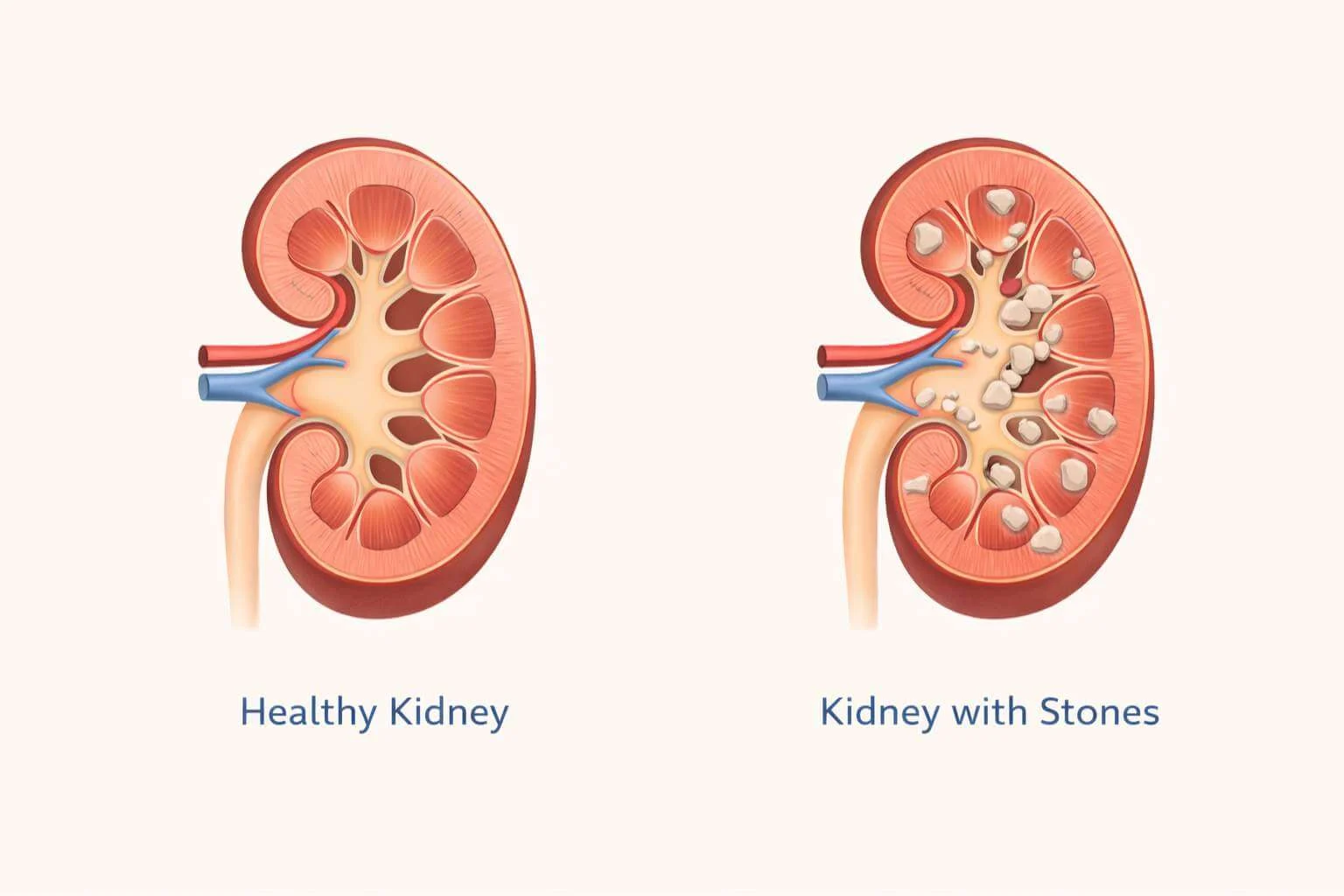
What Are Kidney Stones?
Kidney stones are solid pieces of material that develop from chemicals in your urine. They start small, like tiny crystals, but can grow larger over time. The main cause is when your urine contains more crystal-forming substances than your body can dilute.
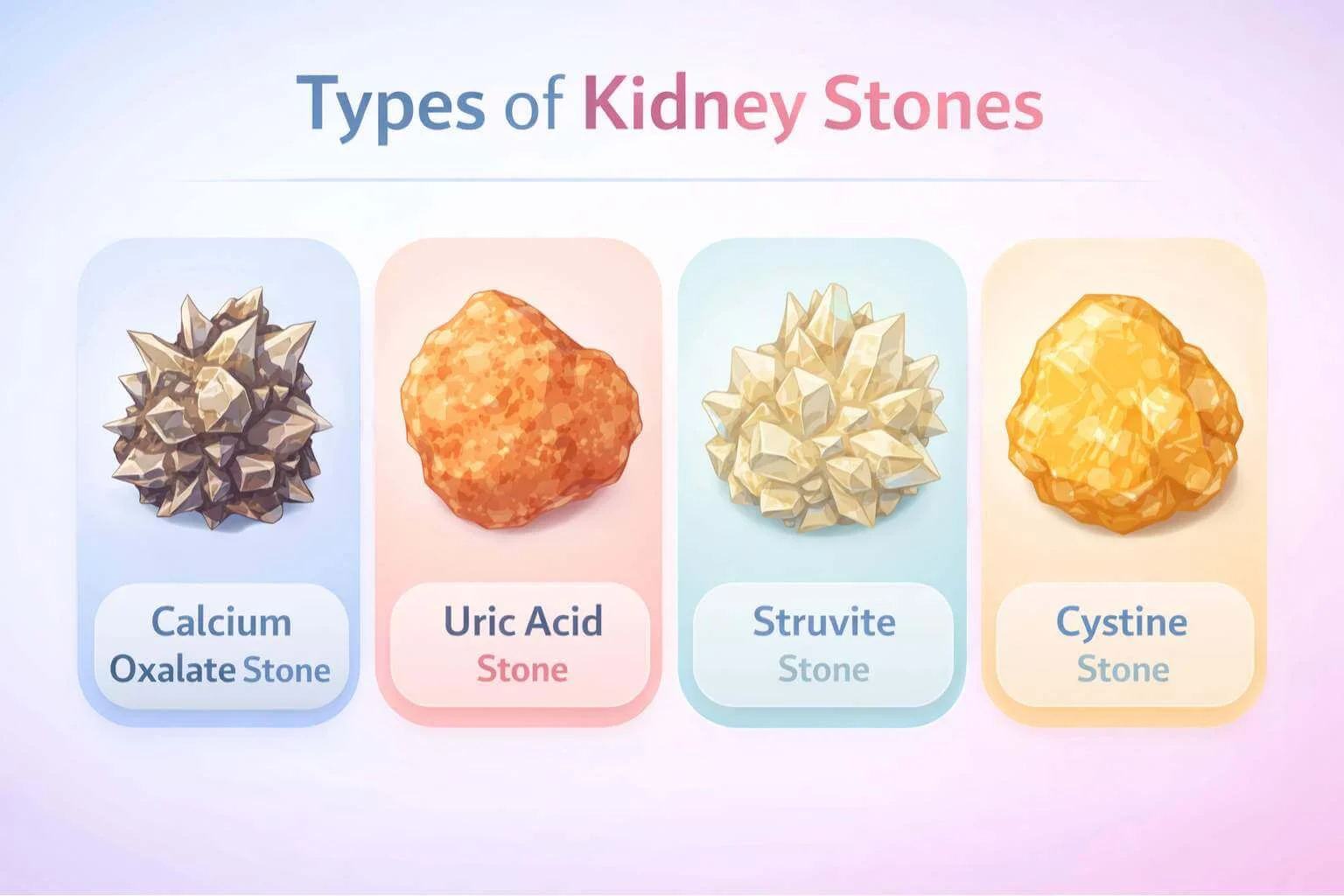
Types of Kidney Stones
Calcium Stones
The most common type. Forms when there is too much calcium in urine, often combining with oxalate (found in spinach, chocolate, nuts). Note: Do NOT avoid calcium; it can increase risk.
Uric Acid Stones
Related to diet and metabolism. Common in people who eat a lot of animal protein (red meat, fish) or have gout.
Struvite Stones
Caused by urinary tract infections (UTIs). Can grow very quickly and become large. More common in women.
Cystine Stones
A rare genetic condition (cystinuria) causing kidneys to release too much cystine. Often runs in families.
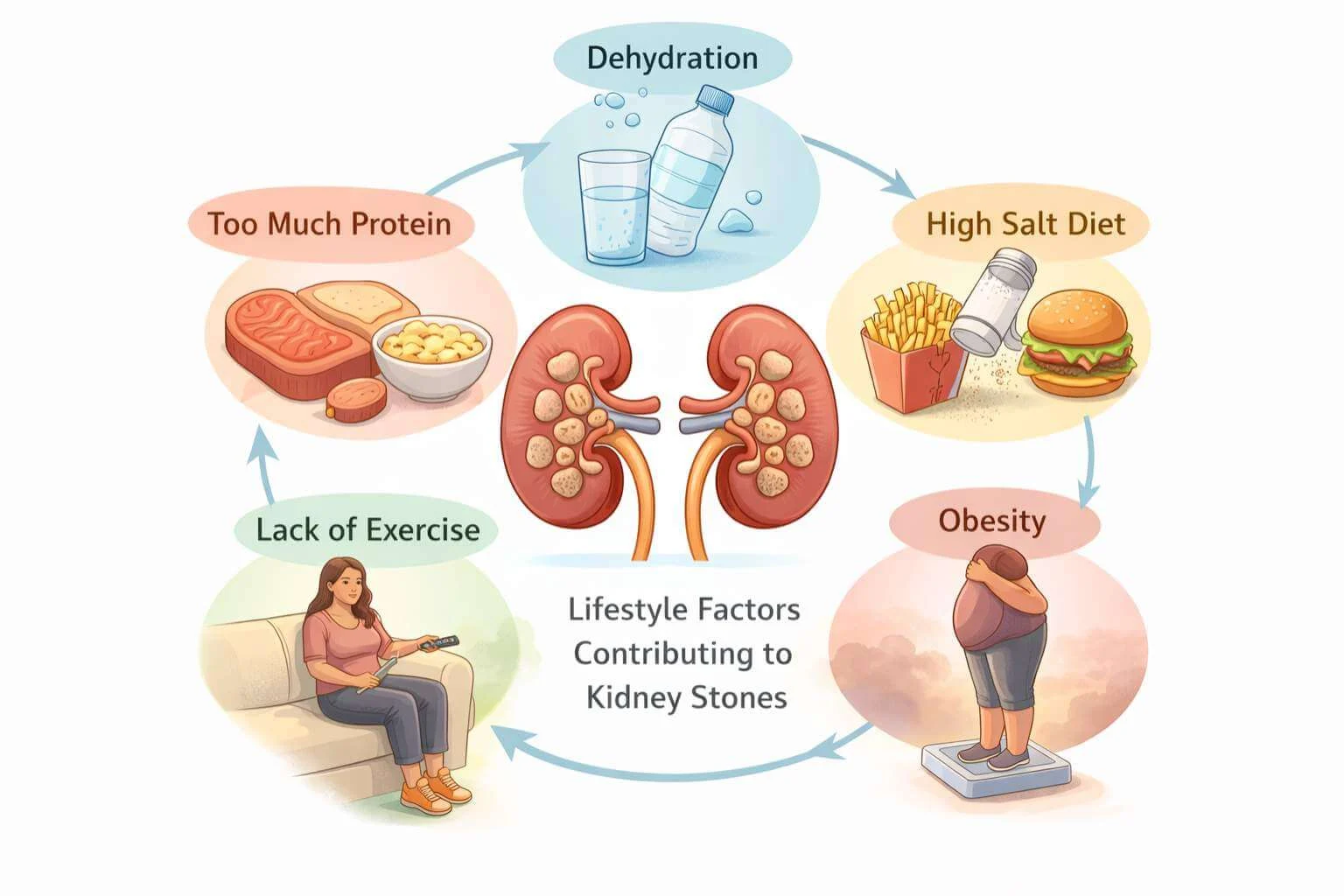
Major Risk Factors
1. Dehydration
Not drinking enough water is the biggest risk. Concentrated urine (dark yellow) makes it easier for stones to form. This is crucial in hot climates like Bangalore.
2. Diet
- Salt: Increases calcium in urine.
- Animal Protein: Increases uric acid levels.
- Sugar: High fructose corn syrup increases risk.
3. Obesity
Excess weight changes urine acidity and increases excretion of calcium and uric acid.
4. Medical Conditions & Medications
Digestive diseases, high blood pressure, diabetes, and certain medications (calcium antacids, some antibiotics) can increase risk.
How Can You Prevent Kidney Stones?
- Drink Water: Aim for 2-3 liters daily. Urine should be pale yellow.
- Reduce Salt: Limit processed foods.
- Eat Calcium-Rich Foods: Dairy helps bind oxalate in the gut, reducing stones.
- Limit Animal Protein: Choose plant proteins more often.
- Citrate: Drink lemon water or eat citrus fruits.
When Should You See a Doctor?
Contact Arka Anugraha Hospital immediately if you experience:
- Severe pain in your side or back.
- Pink, red, or brown urine.
- Nausea and vomiting with pain.
- Fever and chills (signs of infection).
- Difficulty urinating.
Frequently Asked Questions
Can stress cause kidney stones?
Indirectly, yes. Stress can lead to dehydration and poor diet, which increase risk.
Are kidney stones hereditary?
Yes, family history increases risk, especially for certain stone types.
How long does it take for a stone to form?
It can take weeks to months depending on hydration and diet.
Protect Your Kidney Health
Understanding the causes empowers you to take control. Prevention is better than cure.
If you have concerns or symptoms, contact Arka Anugraha Hospital in Bangalore for expert urological care.
Schedule a Consultation Today